Gujarat health officials have stepped up surveillance as they are bracing for new CHPV infections and several suspected cases of Acute Encephalitis Syndrome (AES) among children. Three children have been confirmed dead of the disease so far, including a six-year-old boy from Rajasthan who died at a civil hospital in Gujarat’s Sabarkantha district.
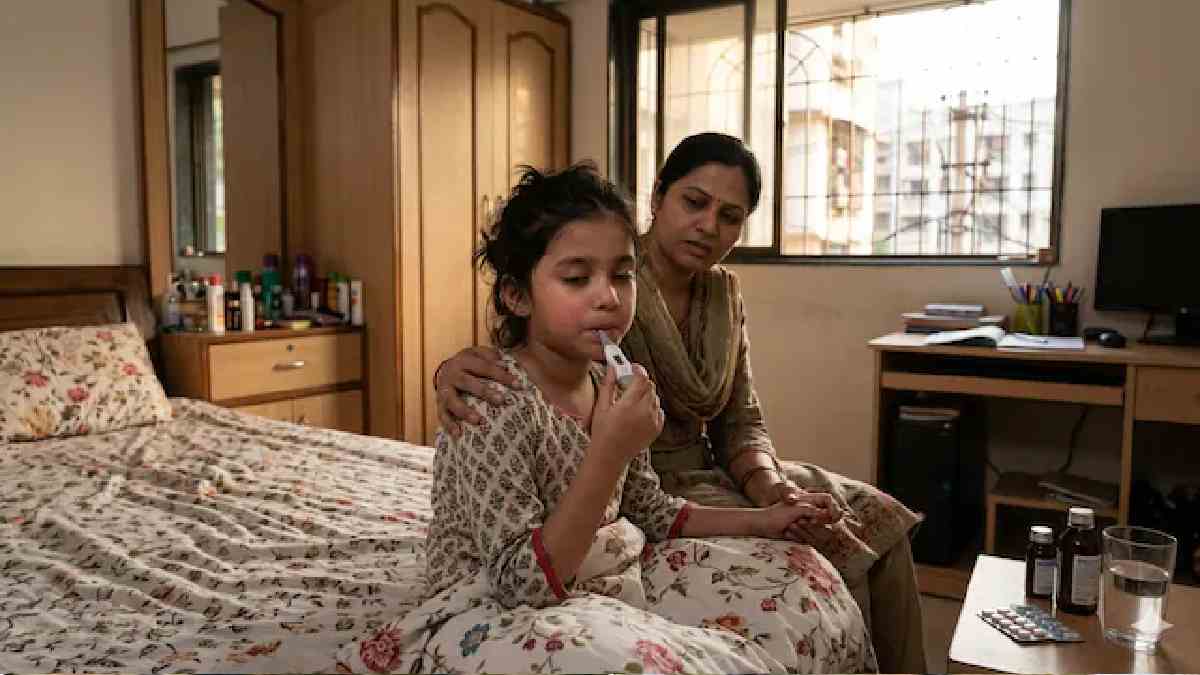
Chandipura virus infections are relatively rare today, but medical experts say the disease can progress rapidly and can cause severe inflammation of the brain. Early identification of symptoms and prompt medical attention are critical to improving outcomes.
What is the Chandipura virus?
Chandipura virus (CHPV) is a virus belonging to the family Rhabdoviridae that also includes the rabies virus. It was first identified in 1965 in Chandipura village near Nagpur, Maharashtra, from which its name is derived.
The virus is known to cause viral encephalitis, inflammation of the brain that mainly affects children. In parts of western, central, and southern India, outbreaks of it have been reported sporadically.
While infections are rare, the illness can develop into severe illness within a short period of time, so early diagnosis is essential.
How does the virus spread?
Chandipura virus is believed to be transmitted mainly through the bites of infected sandflies, particularly species belonging to the Phlebotomus genus.
Some studies have also investigated the role played by mosquitoes and ticks, but sandflies are regarded as the primary vector.
The virus does not generally move from person to person through casual contact.
Who is Most At Risk?
Children under 15 are considered the most vulnerable to the Chandipura virus infection.
The risk tends to be higher in:
Rural and tribal areas
Regions with poor sanitation
Areas with larger sandfly populations
Monsoon and post-monsoon seasons, when vector activity rises
Adults can get infected, but in general have a milder illness than children.
Symptoms of Chandipura Virus
The infection can occur suddenly and can become worse in hours.
Common symptoms include:
High fever
Severe headache
Vomiting
Extreme weakness
Convulsions or seizures
Confusion
Irritability
Drowsiness
Loss of consciousness
As the disease progresses, it may lead to Acute Encephalitis Syndrome (AES), a serious condition involving brain inflammation that requires emergency medical treatment.
Parents should not ignore persistent fever with neurological symptoms, especially in young children.
Sabarkantha, Gujarat - 3 children die of suspected chandipura virus at civil hospital, 2 more critical. pic.twitter.com/P4jx5s18dd
— News Arena India (@NewsArenaIndia) July 9, 2026
Why is the Disease Dangerous?
The most serious complication of Chandipura virus infection is encephalitis, or inflammation of the brain.
The disease can progress very quickly, sometimes within 24 to 48 hours after symptoms appear. Without timely supportive medical care, severe neurological complications or death may occur.
So, early hospitalization greatly increases the chances of appropriate management.
Is there a treatment?
At present, there is no specific antiviral treatment or approved vaccine for the Chandipura virus.
Treatment mainly focuses on supportive care, which may include:
Hospital admission
Intravenous fluids
Fever management
Control of seizures
Respiratory support if required
Intensive neurological monitoring
This is why doctors stress that early medical intervention is the most important component in managing the disease.
How Can It Be Prevented?
Since the virus is spread through sandflies, prevention is about avoiding insect bites and reducing vector breeding.
Preventive measures include:
Using mosquito and insect nets while sleeping
Applying mosquito repellents
Wearing full-sleeved clothing, especially in the evening
Keeping homes and surroundings clean
Eliminating stagnant water and waste that is left as a breeding ground for insects
Participating in local vector control programmes conducted by health authorities
Communities in the affected areas should also cooperate with door-to-door surveillance and health screening campaigns.
Gujarat Steps Up Surveillance
Following the recent cases, Gujarat's health department has launched extensive surveillance in districts such as Sabarkantha and Panchmahal, where suspected cases of Acute Encephalitis Syndrome have been reported.
Health teams are conducting:
Door-to-door health surveys
Laboratory testing of suspected cases
Vector-control measures
Public awareness campaigns
Monitoring of children with fever or neurological symptoms
And parents should seek medical help immediately if children develop high fever, vomiting, seizures, or altered consciousness, health officials said.
Public Health Advisory
Although Chandipura virus is still rare, the recent cases highlight the need to be vigilant in the monsoon season. Most fevers in children are not caused by Chandipura virus, but any child who develops high fever and seizures, confusion, or unconsciousness should be taken to the nearest hospital as soon as possible.
In the future, early diagnosis, supportive treatment, and effective vector control will be the most effective tools to minimize the impact of this rare but potentially life-threatening viral infection.