Social media has changed how we do business, and how we share information. News has now reached millions in seconds but the same speed makes it easier for rumours and false claims to spread around.
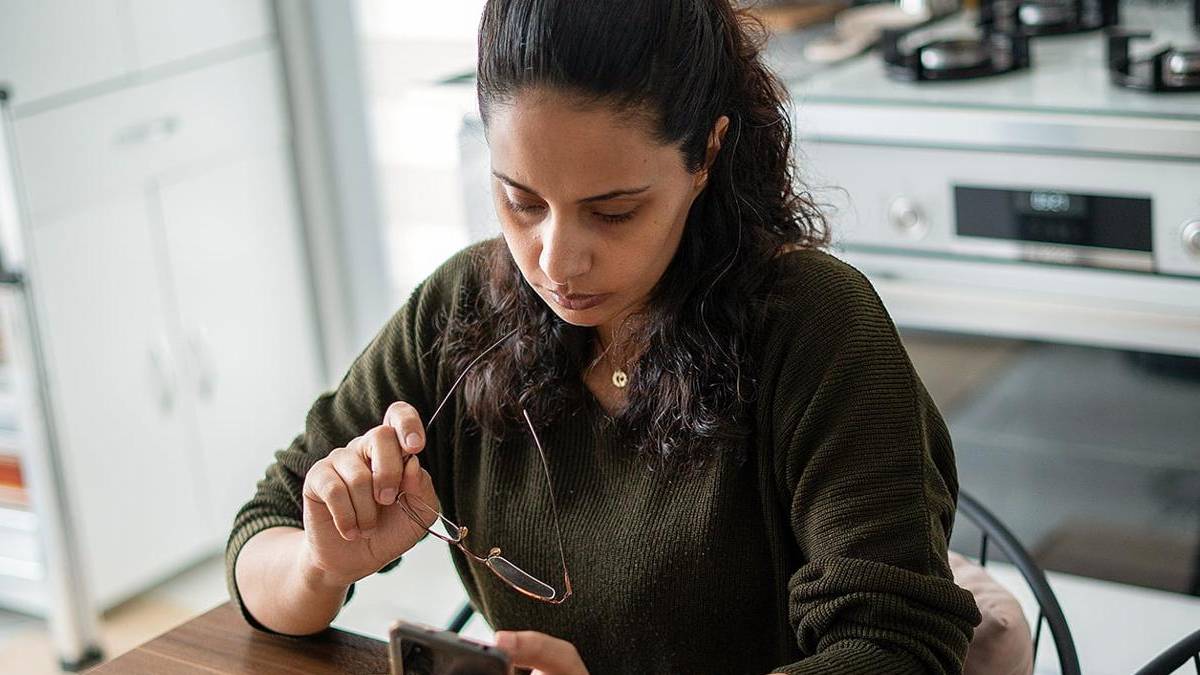
Misinformation can travel faster than the disease itself because people fear, are confused and distrustful about it.
For most rumours, they are driven by sensational headlines and emotional messages rather than verified reports that make people share them in a way that is so newsworthy that they encourage people to share them without having to be sure it’s real or not without verification.
A single misleading post can travel quickly through messaging apps, social media sites and online communities, and can reach thousands of people fast in just a few hours online, and a few minutes on messaging apps, social media, and online communities.
Health experts have said misinformation is one of the biggest problems when a disease outbreak occurs. Misinformation about miracle cures, fake medicines, vaccines and government policy can encourage people to ignore official medical advice.
In some cases, these rumours delay treatment, cause vaccine hesitancy and encourage dangerous health care practices.
The problem is compounded because people are more likely to believe information from friends, relatives or community groups. When this inaccurate information gets into those trusted circles, it is difficult to correct. Even when authorities give clarification, the original rumour is usually still circulated online.
Social media algorithms can also contribute to misinformation. Content that arouses strong emotional reactions (such as fear, anger, or surprise) often gets more attention, and so to a greater extent it’s visible to other users. That means that misleading information can get more attention than factual information from credible organizations.
The effects of rumours go beyond individual decisions. Misinformation can overwhelm healthcare systems, lead to mass panic buying of drugs and essential supplies, create anxiety and damage public confidence in health care.
In the context of global health crises, governments and medical professionals have been forced to devote considerable time and resources to debunk myths and misinformation, and healthcare systems have been forced to spend so much time and resources to correct false stories while doing their best to prevent the outbreak.
Tech firms have also been doing more to stop misinformation as they have removed harmful posts, flagged misleading posts, and directed users to legitimate health information. Independent fact-checking organisations also assist us to find out what is the truth behind viral claims and publish evidence-based explanations.
But misinformation is not just a government problem or a tech problem. Internet users must act. Before forwarding health information, people need to check the source, cross-check the information with trusted news outlets or official health agencies, and never share a message that contains no evidence.
Digital literacy is crucial in the era of interconnectedness today. Understanding how misinformation spreads and identifying reliable sources can help people make informed decisions and protect those around them.
Accurate information saves lives but rumours risk them.
If we have to choose facts over speculation and verification over viral content as online communications grow, factual information is one of the best ways to protect public health and make society a more informed place.