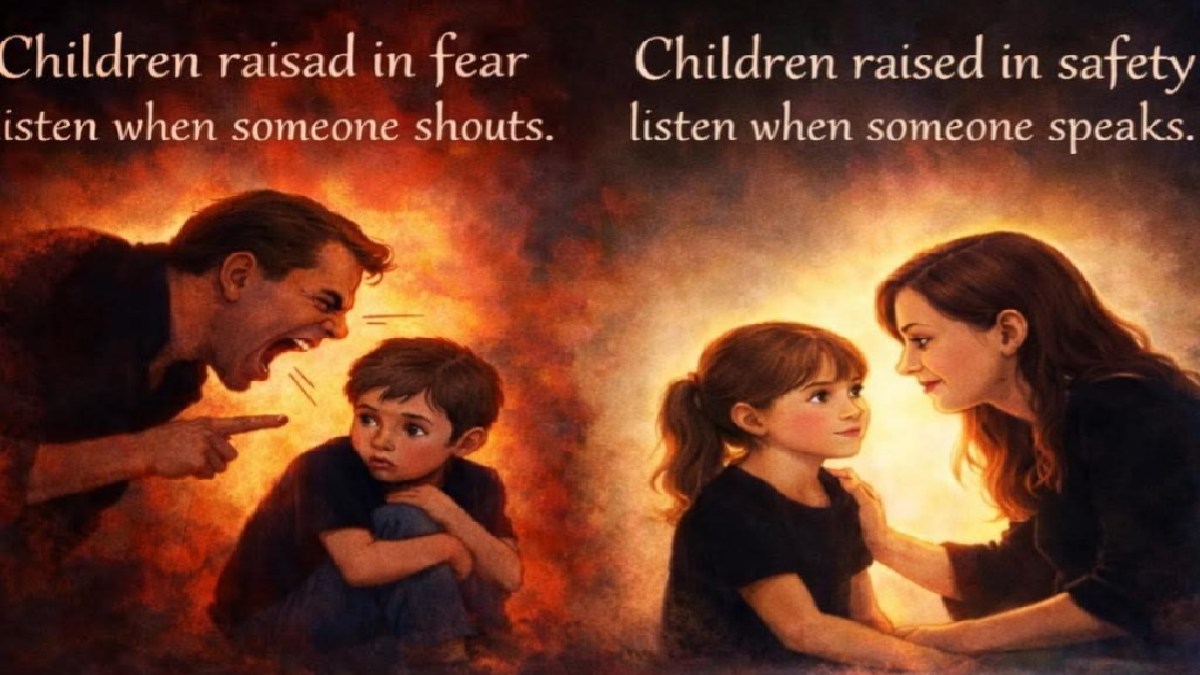
Being a parent, one of the best gifts is to let your children understand that kindness, respect, and caring relationships are what build them up. Young children will absorb a lot of the behaviors and values they see around them from a very early age, and so there is a need for them not only to learn to love others, but also to protect their emotional health.
The basic lesson: Not everyone who enters our lives wants us to be well, and that’s fine. The thing that is not acceptable is to let someone stay in a room that is always degrading, belittling, or damaging to us emotionally. This is true of everyone friends, relatives, classmates, senior members of society. Educating children to identify this from a young age is a base for lifetime healthy relationships.
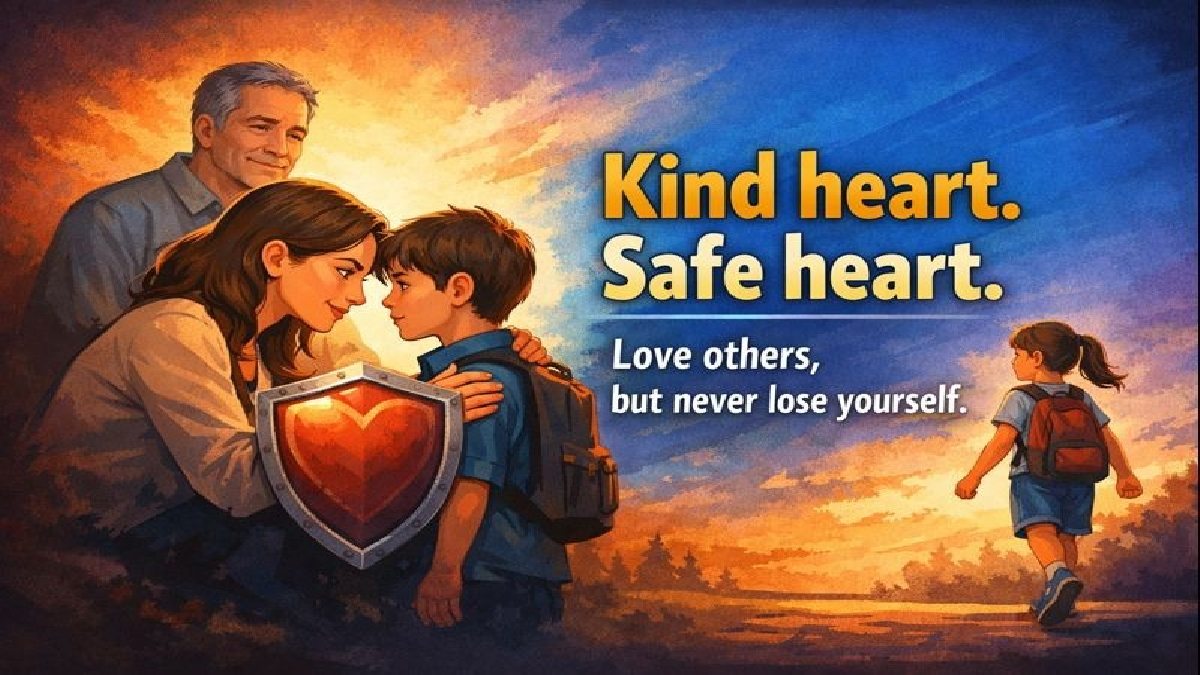
Just as critically, it goes without saying that kindness is not kindness so pernicious. Children often develop the impression that being “nice” means saying yes to everything. We teach them that kindness and self-respect are not mutually exclusive, which equips them to make intelligent decisions about how they can be kind and useful and when they need to preserve their own emotional space. Think of it as a shield around a child’s heart and mind so they can protect love and support for others while maintaining that healthy distance from any harmful behavior. You also need that tough old fashioned, "rules about boundaries."
Children must realize that no is not selfishness, leaving toxic relationships and protecting their own peaceful space is not selfishness: it is self-care. Love lacking kindness is missing, connection lacking respect is vacant. When children gain the ability to internalize that sense of difference in their lives, they will become more comfortable reaching for rich life enriching relationships instead of being stuck in a bad place where they are not valued.
At the end of the day, we teach kids that they don’t have to fight for a place at the table where they aren’t treated well, so they can work out their dignity, how they’re going to decide what’s important to do, and how to deal with life circumstances in their own personal way.
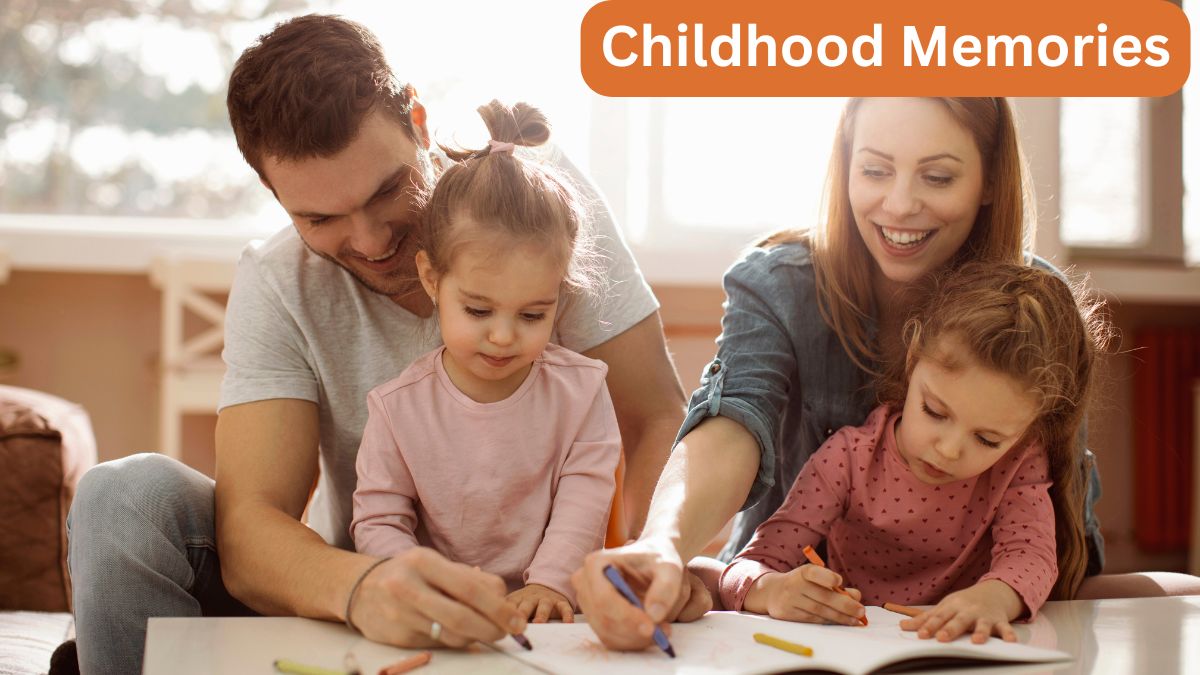
When they learn to merge compassion with discernment, they pass on a model for healthy interaction, emotional intelligence and personal resilience. In walking our children through that lesson, we help them so that they are more than empathetic partners; that they also keep in mind that they have a place at the table.
The lesson is this: a little lesson in childhood this story of your life as a kind and respectful person who is grounded in a system of connection.
Kind heart. Safe heart.
Love others, but never lose yourself.