In today's quickly-paced world, parents rarely have time to interact with their child or oversee food intake. So many parents hand over electronic gadgets to their children, saving time. The kids all eat while they’re looking at a screen in front of their phones or TVs, which seems to cause them to be entertained which in turn encourages quick consumption. But can you see just how dangerous this shortcut can be to your child’s health?
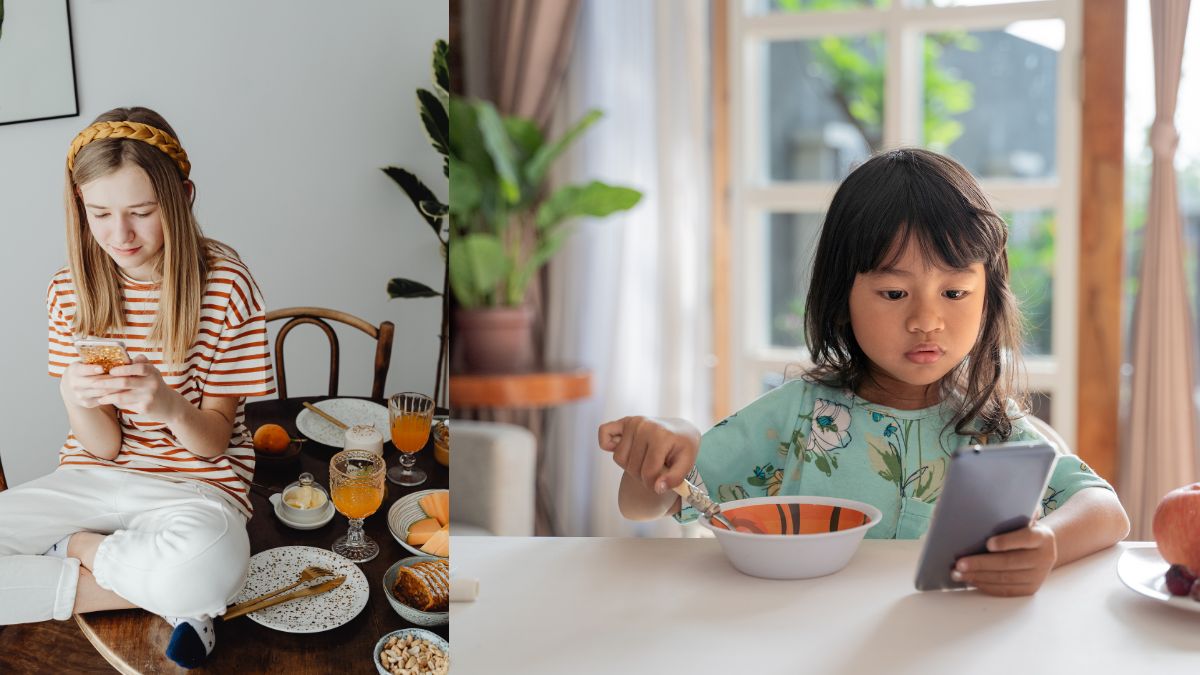
Why Screens of Eating Are Dangerous
A study a collaboration with many of the world’s largest universities and a headline found in the Environmental Journal of Health found that children who feed while watching TV or on a cellphone are at a higher risk for becoming unhealthy than children who do not have eating habits.
These kids can become irritable over small things. Kids under 10 who watch screens while they eat are at increased risk for obesity and a host of health problems in later life.
WHO’s Warning
A World Health Organization (WHO) report that was issued recently had said parents could be alarmed about children’s screen time. For children under age five who spend too much time on screens, it can directly damage both physical and mental health. WHO recommends that young children be kept away from the likes of mobile phones, TVs and other electronic devices, especially during meals.
Drawbacks of Consuming the Food with the Help of a Screen
Screen time slows digestion and can lead to fat accumulation. Kids tend to overeat when watching TV or using their phones. Screen time leads to a predilection for junk food. This increases the risk of obesity in children. There are gaps in nutritional intake, and as a result deficiency occurs. Increase in stress and anxiety related to food at mealtime.

Kids can eat in silence, not talk, staring at screens and they will later damage their social and communication skills in turn. Drowsy eye condition such as dryness, irritation or blurred vision may occur. Children also may not know what they are eating and cannot remember foods. Lack of expression or dependence on screens leads to screen addiction.
Children can get irritable, stubborn and prone to anger. Parents play a huge role in shaping their kids’ habits. Screen free meals promote good nutrition, healthy development, better social skills (which has positive effects on health), and general health. Even small tweaks, like insisting that you eat family meals as a family with no distractions, have a long-term positive effect on your child’s future.