Millions of devotees are preparing across the land for Ratha Saptami as the sun moves into the northern hemisphere (Uttarayan) on a symbolic journey on a chariot with seven horses. On January 25, 2026, this day Surya Jayanti celebrates the Sun god, Surya. Among all the rituals and "Upayas" (remedies) performed on this day, one of the most important and widely followed traditions is the complete withdrawal from salt.
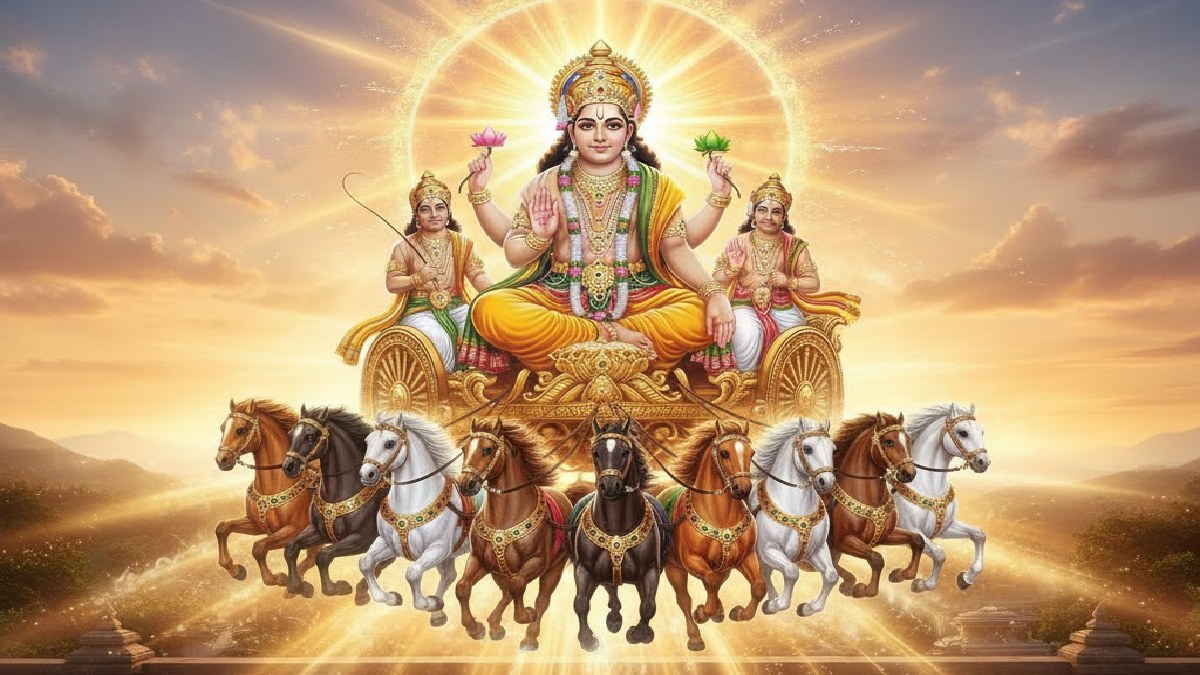
The Science and Spirituality of the No-Salt Fast
In Vedic astrology and Ayurveda, the Sun represents the "Atmakaraka" (the soul) and the provider of health (Arogyam Bhaskaradichhet). Spiritually, the ritual of refraining from eating salt on Ratha Saptami is as much about physical cleansing as it is about spiritual discipline:
Conflict between Sun and Salt:
In conventional Indian beliefs, salt represents Shani (Saturn) or Rahu in some areas. As Shani is a son of Surya, but the two share a legendary rivalry, avoiding salt on Surya’s birthday is seen as a way to preserve the solar energy's cleanliness in the rest of the body.
Body purification: Non-salt (Alavan Vrat) avoids water retention and lowers blood pressure. On a day when solar radiation is thought to be especially powerful, a “light” body is believed to better absorb the Sun’s healing rays.
Enhancing “Tejas”: Practitioners say a salt-free diet over 24 hours leads to an increase in the “Tejas” (radiance) of the skin and improved eyesight, both ruled by the Sun God.

All important Rituals for Ratha Saptami 2026
Apart from dietary restrictions, a number of other cures are also attempted to pacify a weak Sun in the horoscope:
The Arka Leaf Bath (Snanam): This important ritual involves taking a bath with seven Arka leaves (Calotropis gigantea). They place these leaves on the head, shoulders, chest, etc., while bathing. This is said to wash off sins committed in seven previous births and to protect the body from maladies.
The Ritual of Boiling Milk: Many homes boil milk in an earthen pot in direct sunlight. When the milk overflows (Upanam), it represents abundance. The milk is then used to prepare Paramannam (sweet rice) for Sun consumption.
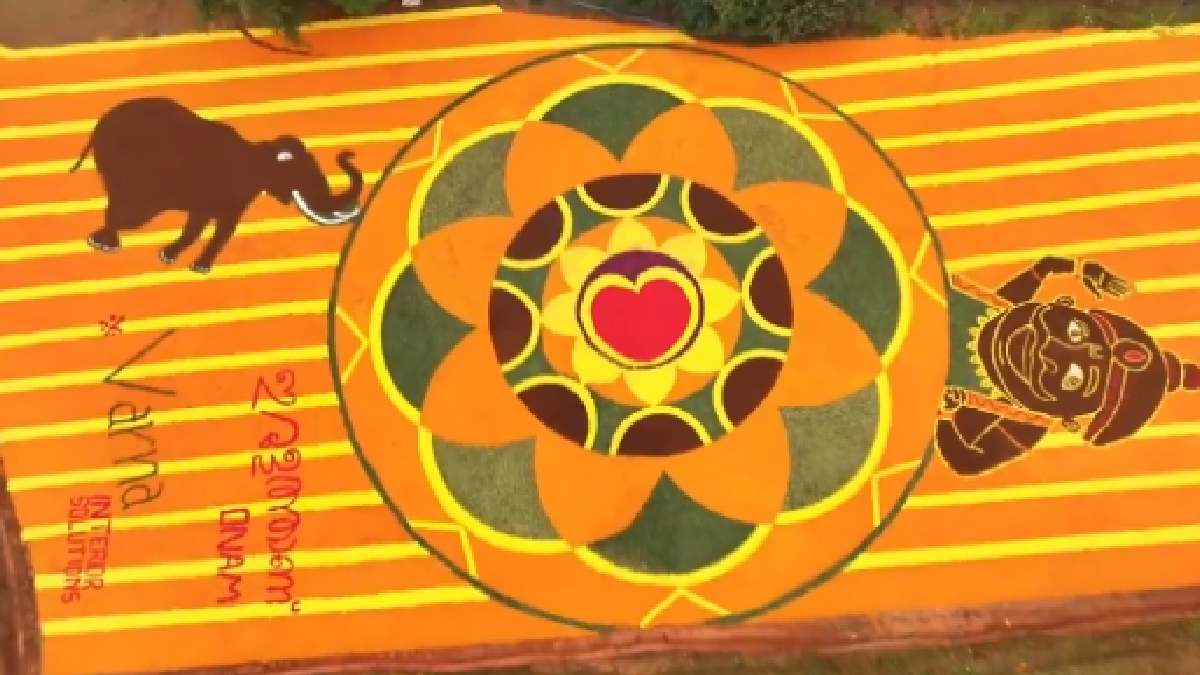
Rangoli of the Chariot: Drawing a beautiful Rangoli of a chariot (Ratha) at the entrance to the house is said to invite the Sun God’s chariot into one’s life, bringing progress and momentum in stalled projects.
Who Do I Have For These Remedies?
Astrologers suggest Ratha Saptami is a "Golden Day" for those with the following issues:
A lack of long-term health (like a chronic immune response). Conditions with bones, eyes, or the heart. Challenges in professional development or conflicts with authority/father figures.
How to Observe the Fast
To reap its full benefits on January 25, begin with the Arka leaf bath before sunrise. Present Arghya (water) to the Sun in a copper vessel. For the remainder of the day, eat just fruits, milk, or unsalted foods made of wheat or jaggery. Break the fast after receiving sun rays in the morning, following the sun or performing the evening Puja.
Follow these quick fixes, the daily remedy which is so simple yet profound, it is hoped that the devotees yearning for a year spent in full effectually living out its life-giving brightness, mental clarity, and continuous prosperity with the sun's energy and tranquility will be felt.