Triranga Darshana: The Sacred Trip Down the Kaveri. Triranga Darshana is a tradition of pilgrimage in South India, where devotees journey to the three holy Ranganathaswamy temples along the Kaveri River, Adi Ranga, Madhya Ranga, and Antya Ranga, all in 1 day. It is believed that this journey brings spiritual purification, peace, relief from planetary afflictions and blessings of prosperity and liberation.
Historical Significance
- Worship of Lord Ranganatha: Lord Vishnu reclined form revered since ancient times.
- River Kaveri: Her banks are an ideal sacred space to worship gods like Vishnu, given that she is considered a living goddess.
Symbolic Locations:
- Adi Ranga (Srirangapatna, Karnataka): Origin and creation.
- Madhya Ranga (Shivanasamudra, Karnataka): Represents growth and sustenance.
- Antya Ranga (Srirangam, Tamil Nadu): Belongs to spiritual fulfillment and liberation.
Alvars and Bhakti tradition:
Tamil Vaishnavite saints adored the patron of Srirangam in their hymn books. Royal Patronage: Chola, Hoysala, Vijayanagara, Wodeyar rulers enlarged temple buildings and rituals. Sri Ramanujacharya: Made temple worship, festivals, and the spiritual bond of the three Rangas organized.
Timeline of the Triranga Darshana
Vedic & Mythological Period:
The cult of Ranganatha and sanctity of Kaveri instituted.
- 1st–3rd century CE: Ranganatha temple constructed on the river; Early Hindu temples.
- 6th–9th century CE: Alvars celebrate Srirangam; pilgrimage culture becomes stronger.
- 9th–13th century CE: The temples were enlarged in the 9th-13th century: They served as temporary abode.
- 11th–12th century CE: The ritualism was reformed by Ramanujacharya; temple rituals revamped; three Rangas reinforced unity is not only the main focus of worship, but unity among them.
- 14th–18th century CE: Vijayanagara Kings and Wodeyars improve pilgrimage routes and festivals.
- 17th - 19th century CE: The Triranga Darshana is one-day practice.
- 20th century – Present: Tradition continues, especially during Dhanurmasa (December–January).
Spiritual Benefits
- Relief from Planetary Pains: Ease of Graha Doshas and negativity.
- Liberation from the Sins: removes past karma and enhances the state of spiritual merit (Punya).
- The Path to Moksha: Assists in spiritual evolution and salvation from the cycle of birth and death.
- Mental Peace & Well-Being: By having serene riverbanks and a divine presence, one feels calmness and emotional balance.
- Prosperity and Family Welfare: Good news for money, family balance and children.
The Three Rangas: Symbolism
- Adi Ranga - Creation (Srishti) — Initiation of life and spiritual quest.
- Madhya Ranga - Preservation (Sthiti): Represents youth, growth, and sustenance.
- Antya Ranga - Dissolution (Laya): Meaning spiritual completion and liberation.
As a trio, the three Rangas symbolize the cycle of life and cosmic rhythm, emphasizing devotion at each stage.
Ideal Time for Pilgrimage
Dhanurmasa (December–January): Seen as best period.
One-Day Tradition:
Get up early at Adi Ranga. Proceed then to Madhya Ranga in the afternoon. Conclude at Antya Ranga by evening.
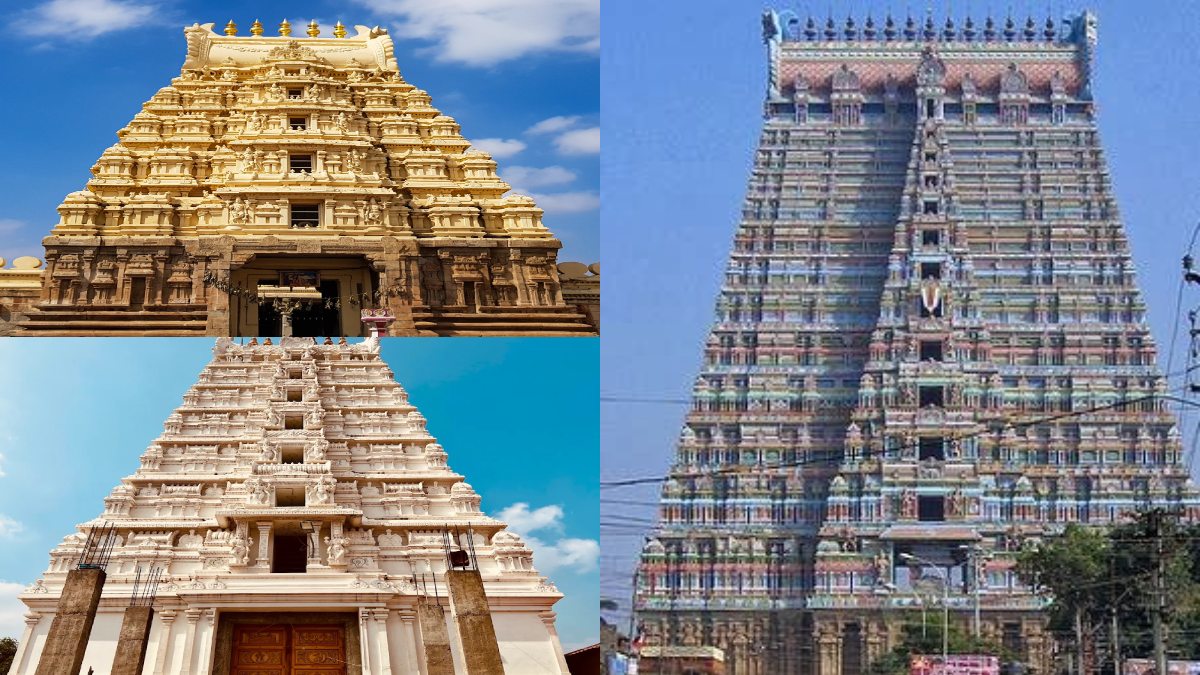
The Three Triranga Temples
- Adi Ranga: Sri Ranganathaswamy Temple, Srirangapatna, Karnataka.
- Madhya Ranga: Sri Jaganmohan Swamy Temple, Shivanasamudra, Karnataka.
- Antya Ranga: Sri Ranganathaswamy Temple, Srirangam, Tamil Nadu – one of the largest Vaishnavite temples in the world.
Triranga Darshana continues as a spiritual tradition of timelessness, combining history, devotion and sacred geography, an experience of a journey that feeds the soul and inspires one’s mind.