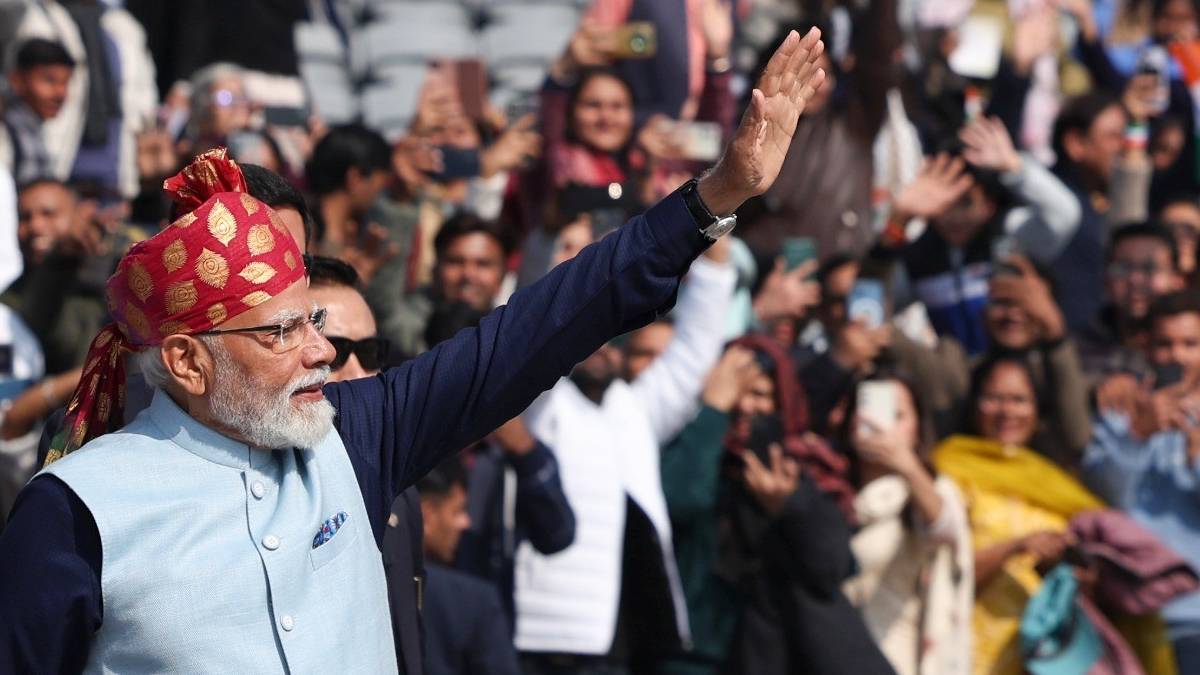
On Friday, speaking at a gathering in Veraval, Gujarat, Prime Minister Narendra Modi delivered a powerful message about the historical and ongoing challenges faced by India's cultural heritage. At the Somnath Temple, a place of great historical and religious significance, PM Modi said that "forces that opposed the reconstruction of the Somnath temple are still active today." Speaking at an event related to such a place.
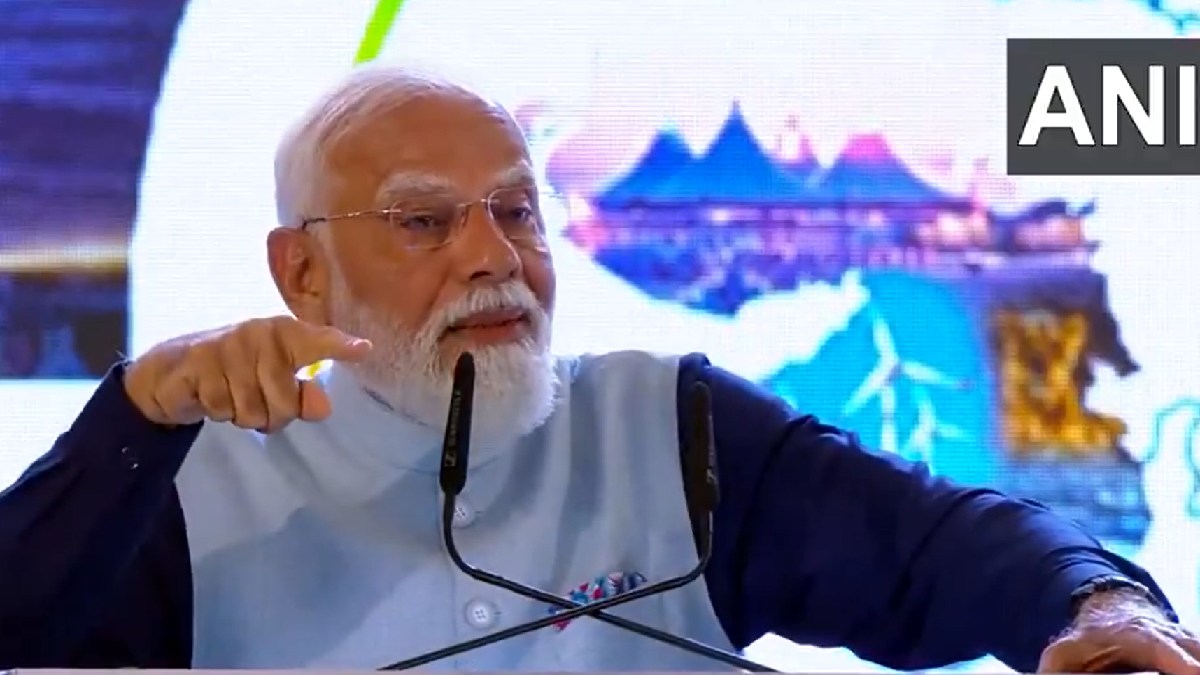
The address from PM Modi stretches back into almost every stage. Desecrated and rebuilt as a temple for many more years than one would expect, the Somnath Temple is one of India’s proud national symbols of resilience and the reclaiming of Indian civilization. Its reconstruction in the years after independence, led by those such as Sardar Vallabhbhai Patel and K.M. Munshi, did not come without controversy and some sections of the political establishment initially challenged its reconstruction as the Indian state had been rebuilt.
Modi's remarks indicate the ideological forces that had challenged or opposed temple reconstruction persist in different guises in contemporary India. He did not mention any such 'forces' — however, the suggestion that there are those who, in his story, fail to value or even despise the indigenous culture and religion of India would, of course, suffice to suggest to us the present-day 'unrecognition' of our indigenous religious and spiritual heritage. It’s a recurring thread in BJP discourse on cultural nationalism.
At the National Heritage Forum, the Prime Minister reiterated the need to remember history, and the work of preserving and restoring India’s landmarks. He emphasized the Somnath Temple not as a religious monument, but a monument of the soul of India, a source of the ancient glory.
Observers have written that Modi’s remarks seem intended to energize his base of supporters and as a means of presenting the ongoing cultural and political fights as perpetuation of the old conflicts. Drawing from the Somnath story, he aims to place the modern dialogue about identity, secularism and historical memory in a strong historical context, appealing to a large part of the people of India.
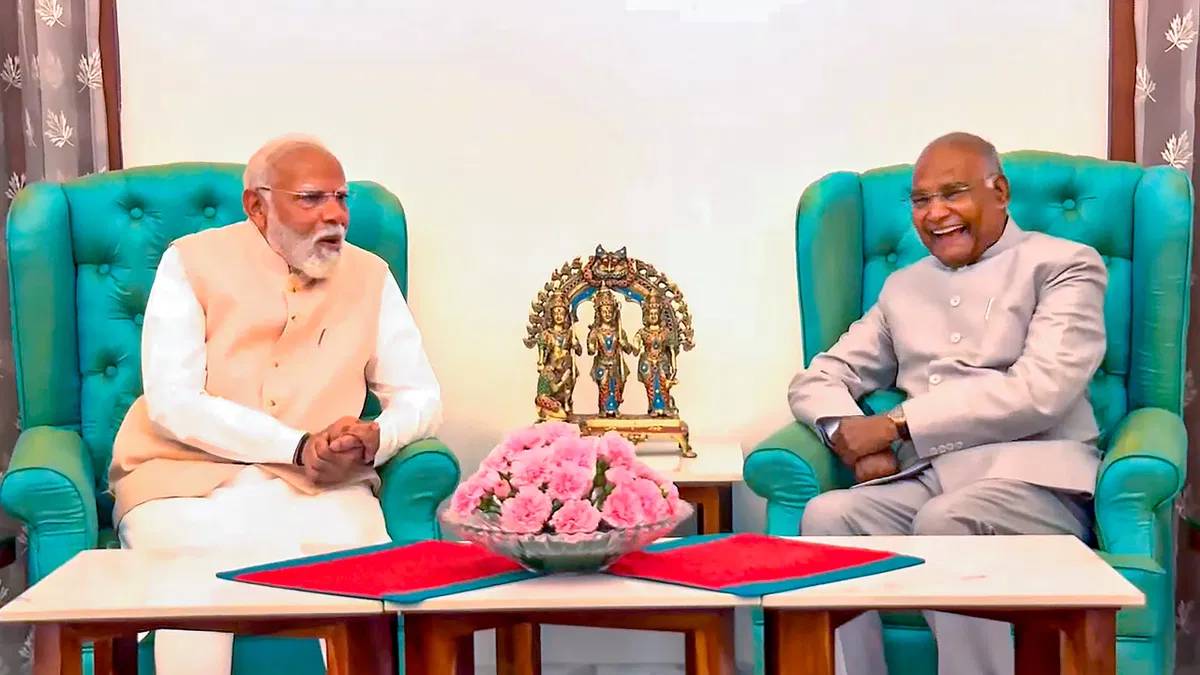
The statements are likely to spur more discussion, with political commentators dissecting the contemporary ‘‘forces’’ PM Modi alluded to and their perceived resistance to the vision of a culturally unafraid India. What this suggests — with the Somnath Temple emerging again at the center of a national conversation surrounding history, identity, and the direction of the country — is a more important set of questions.