The bowhead whale has long captivated scientists, one of their most beloved species that flits through an underwater ocean and spends more than two hundred years in that ocean area. Recent research indicates that there was a unique protein that secreted these effects. This remarkable longevity finds an exciting new source of science and excitement to which all researchers are all on the lookout, and now they are investigating whether we could derive life-prolonging effects similar to the human life itself. It is a naturalistic model for the scientific community.
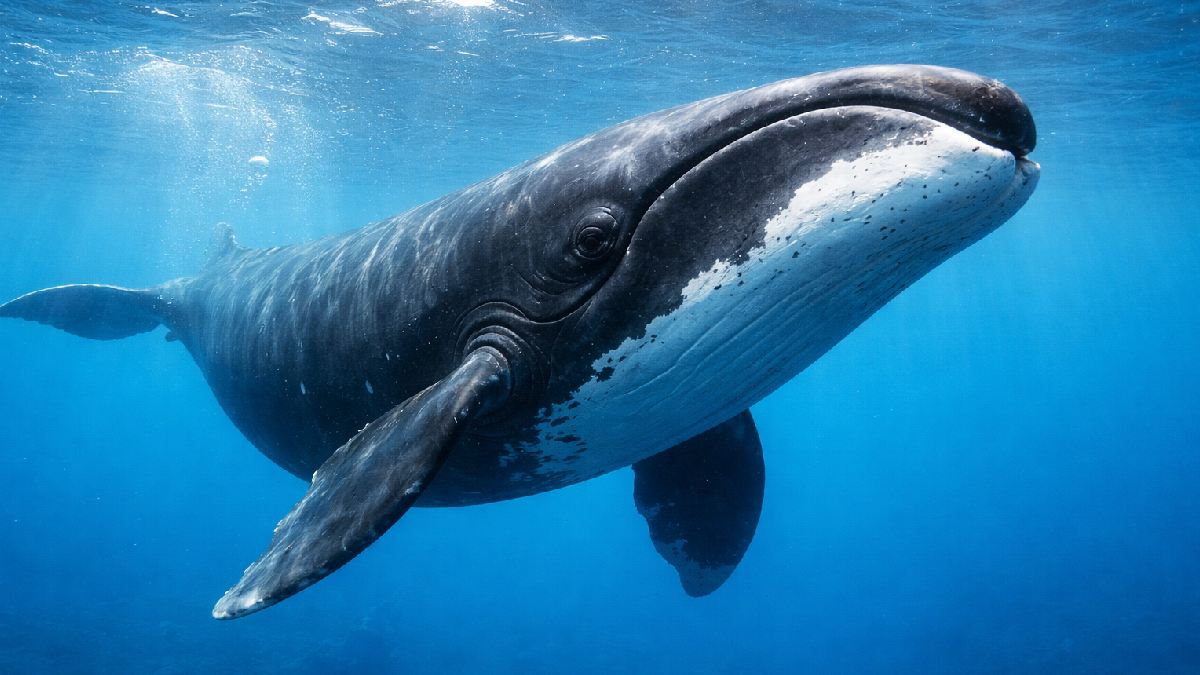
A team of researchers at the University of Rochester studied bowhead whales, and discovered they make 100 times more CIRBP protein than other mammals. This protein is essential to fixing damage to the DNA, an action that postpones aging and diminishes the risk of illnesses like cancer. The results, published in Nature, reflect how whales tend to have healthy cells for centuries and resist decline caused by age.
Bowhead whales can live 200+ years without contracting cancer or other major age-related diseases. CIRBP protein prevents cells from getting damaged by genetic changes associated with aging. Knowledge of this mechanism may lead to clinical breakthroughs in anti‑aging medicine and drugs against diseases that are damaging to DNA.
If scientists can copy them or turn on like-looking proteins in humans, it might extend lifespans long past what we currently allow. Today, the global average life expectancy of humans is about 73.8 years. Meanwhile, perhaps advances in biotechnology will see humans living a little closer to 150–200 years. However, this remains a possibility, not a reality; translating whale biology into human medicine is complex, and it is going to take years of research.
Not yet proof for humans: Whale proteins cannot just be transferred to people. Ethical aspects: The expansion of life in animals raises other ethical concerns about how much we consume, how much is needed and social structures. Scientific barriers: Human biology is different, and mimicry of whale mechanisms may entail genetic tinkering or new therapies to enhance.
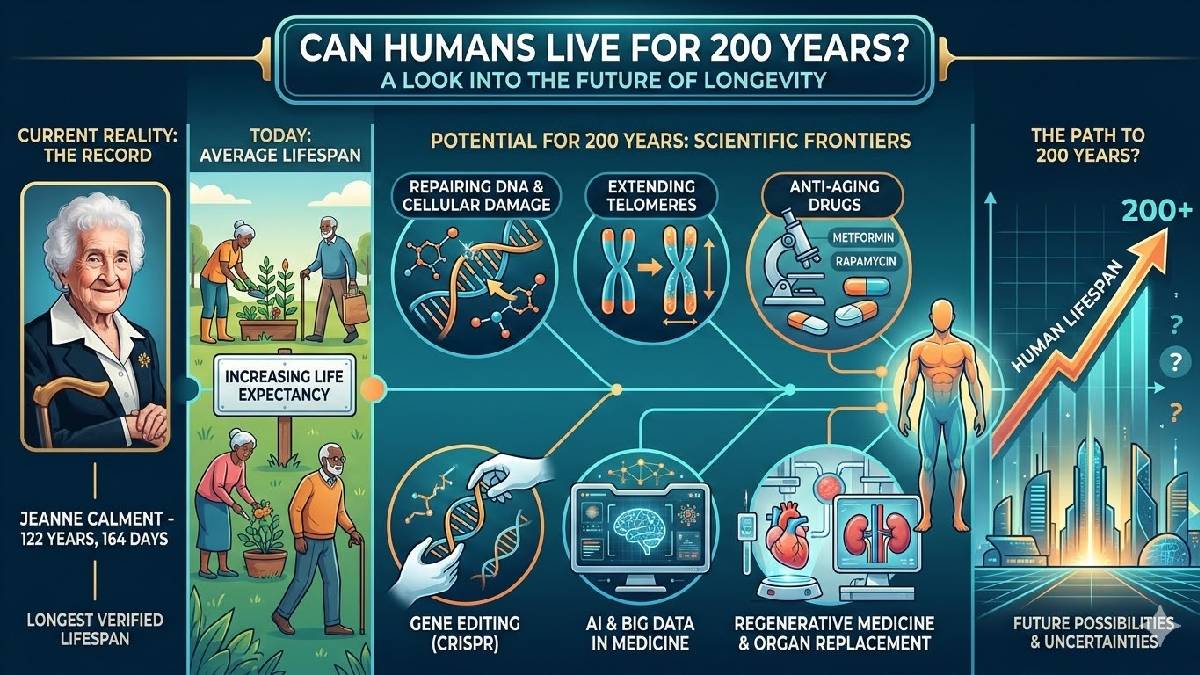
The identification of CIRBP in bowhead whales provides a thrilling glimpse of the evolution of the research on longevity. Though humans remain a few centuries away from living 200 years, the discovery is promising that perhaps in time, science will discover alternative ways to slow down aging and head off disease. Until then, it's a tantalizing prospect, as a reminder that nature often holds the keys to solving humanity’s toughest problems.