Sanatani Dharma also known as Sanatana Dharma is the natural way of life which is based on the ancient indian traditions. It teaches us the path of truth, kindness, duty, karma and respect to the nature. It also shows the path to the spiritual growth, self-motivation, self-realisation, inner peace and giving respect to everybody through devotion, knowledge, duty and the wisdom.
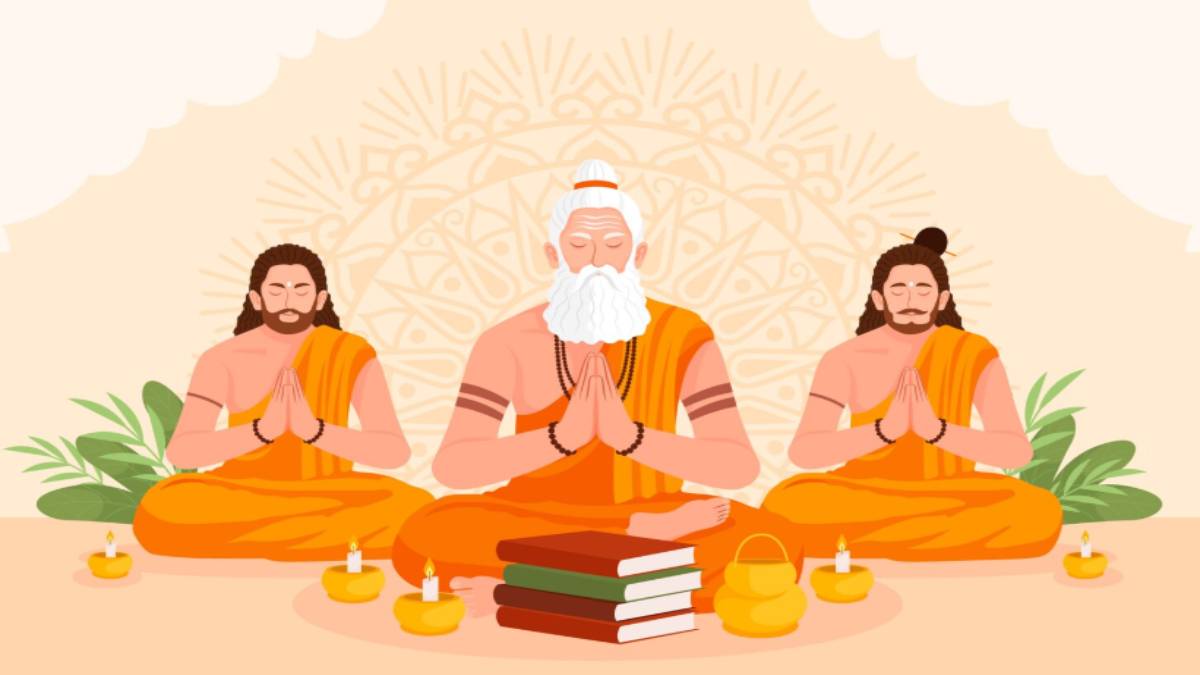
The word Sanatana Dharma comes from the word “Sanatana” means Eternal and “Dharma” means Duty. Together, it means Eternal Duty of one’s life.
There is no founder for sanatani dharma, it is followed by hindus from centuries. It does not have one book, it has written in Vedas, Upanishads, Bhagavad Gita, Ramayana, Mahabharata, and Puranas.
7 Core Principles Of Sanatana Dharma
Dharma:
Dharma means living in the right way. It guides one’s duties, actions and behavior. It stands for truth, responsibility, fairness and living peacefully with people and with nature. Dharma helps to keep balance in life and encourages people to act honestly, kindly and according to their true purpose in life.
Karma:
Karma means each and every action has a result in return. What we think, what we say and what we do creates good or bad effects. Good actions brings us good results and bad actions bring us problems. Karma teaches us to be responsible and reminds us that our actions today shape our future.
Sathya:
Sathya means truth. It teaches us to be honest in what we think, what we say, and what we do. Following Sathya means speaking the truth and living rightly. It helps people build trust, gain inner peace and develop a strong and good character that guides them in daily life and their decisions.
Ahimsa:
Ahimsa means not harming anyone. It teaches us to be gentle in our thoughts, our words and our actions. Ahimsa encourages kindness, care and respect for all living beings. By following Ahimsa, people can help create peace, understanding and harmony in their lives, in the society and in the nature.
Moksha:
Moksha means freedom from repeated birth and death. It is a state where the soul understands its true self. Moksha brings peace, wisdom and closeness to the divine. It ends suffering and attachment, helping a person find lasting happiness, inner freedom and complete spiritual fulfillment in life.
Bhakti:
Bhakti means love and devotion towards God. It is the path of faith, prayer and surrender. Bhakti teaches us to pray with a sincere heart, stay humble and only trust God. By following Bhakti, people find peace, emotional strength and a close spiritual bond with the divine.
Jnana:
Jnana means knowledge. It is the path of understanding the life and the true self. Jnana teaches people to think clearly, seek truth and to know themselves better. By following Jnana, one removes ignorance and gains clarity, peace of mind and spiritual growth in daily life.
4 Spiritual Paths of Sanatana Dharma
Bhakti Yoga:
Bhakti Yoga is the path of love and devotion to God. It involves prayer, worship and surrender with a sincere heart. Bhakti Yoga teaches faith, humility, and trust in God. By practicing devotion and service, a person gains inner peace, emotional strength, and a close spiritual connection.
Karma Yoga:
Karma Yoga is the path of selfless work. It teaches doing duties without expecting rewards or personal gain. By serving others and taking responsibility, Karma Yoga helps people act rightly, control selfish desires, purify their mind, grow spiritually, and find inner peace and freedom.
Jnana Yoga:
Jnana Yoga is the path of knowledge. It teaches understanding the true self and life. By learning, thinking deeply, and gaining insight, Jnana Yoga removes ignorance, increases self-awareness, brings clarity and inner peace, and helps a person grow spiritually, guiding them toward truth and liberation.
Raja Yoga:
Raja Yoga is the path of meditation and self-control. It teaches managing the mind, body, and emotions to find inner peace and grow spiritually. By practicing meditation, focus, and living ethically, Raja Yoga helps a person gain self-discipline, clarity, balance, and a deep connection with the divine.