Bangladesh is in mourning. Begum Khaleda Zia, the country’s first woman Prime Minister and long-time leader of the Bangladesh Nationalist Party, died early this morning at 80. Her passing closes a significant chapter in the nation’s political story—a chapter shaped by grit, fierce rivalry, and hard-won reforms.
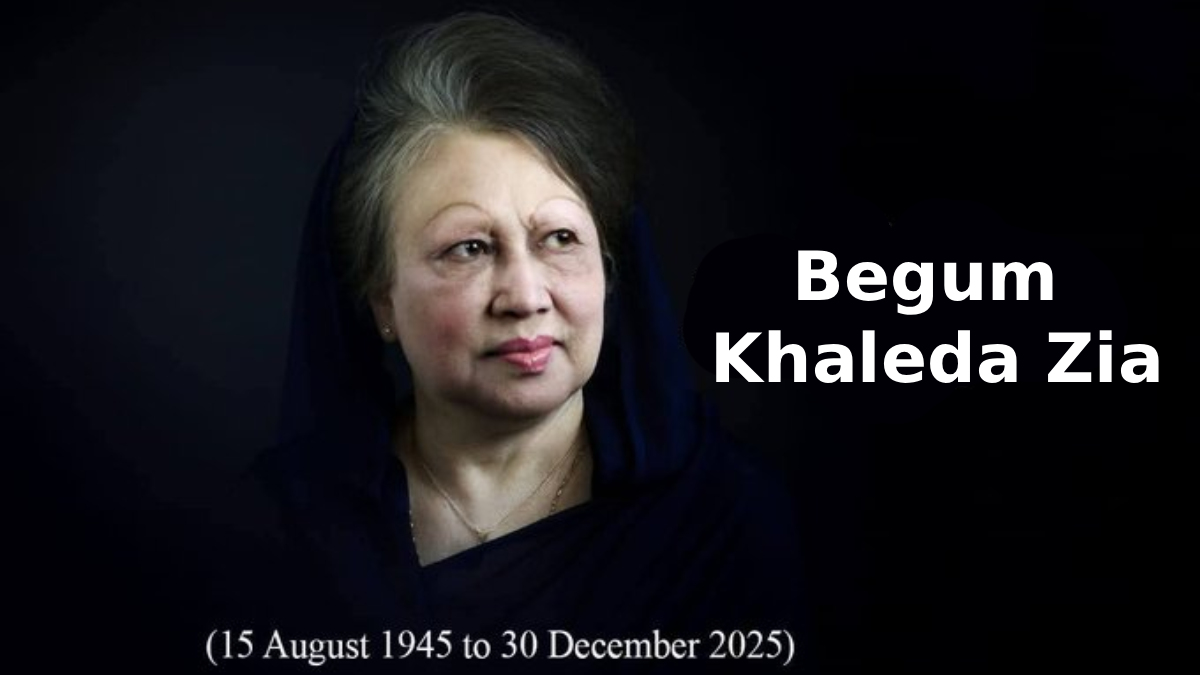
She was born in Dinajpur back in 1945, when the region was still known as East Bengal. She married Ziaur Rahman, a military officer who would later become president. When he was assassinated in 1981, Khaleda Zia stepped into the political arena. The country was still reeling, unsure of its future. She didn’t just fill a gap—she took charge and changed the tone. As BNP’s chairperson, she quickly became a tough, respected leader. People noticed her drive and her talent for rallying support from the grassroots up.
Khaleda Zia made history in 1991, becoming Bangladesh’s first woman Prime Minister. She served three terms—1991 to 1996 and then from 2001 to 2006. Her time in office saw big pushes for economic reforms, opening up trade, and giving private businesses more room to grow. She prioritized building new roads and energy projects, and she tried to get more children—especially girls in rural areas—into school. On the world stage, she kept Bangladesh’s relationships balanced, working with India, China, and the West.
But the job was never easy. Corruption scandals, political unrest, and a bitter rivalry with Sheikh Hasina of the Awami League always loomed. These two women shaped Bangladesh’s politics for decades. Their competition wasn’t just personal—it defined the country’s path toward democracy and reform.
In her later years, Khaleda Zia’s health took a sharp turn for the worse. She battled advanced liver cirrhosis, arthritis, diabetes, and heart complications. She spent her final days in intensive care at Dhaka’s Evercare Hospital. On December 29, 2025, doctors called her condition “extremely critical.” The next morning, with family and close aides nearby, she was gone.
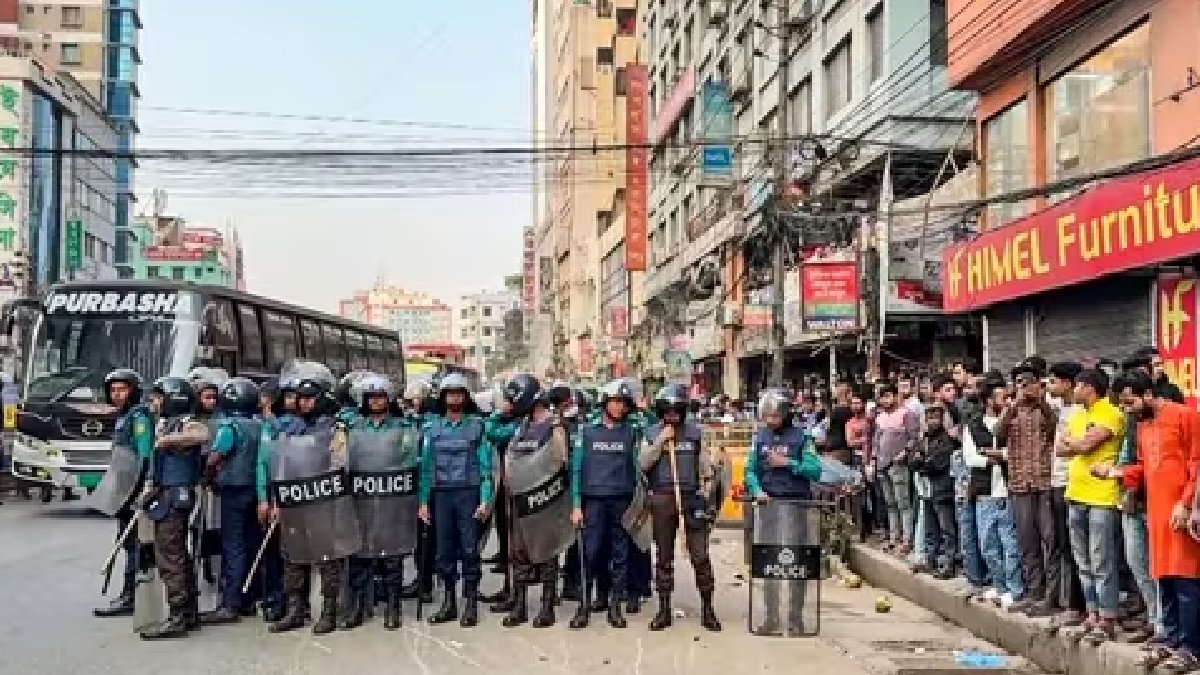
But Khaleda Zia was more than a politician. She was a widow who took on leadership after personal tragedy, a mother who raised her children while steering a nation. Her son, Tarique Rahman, came back from exile in London just days before she died, after 17 years away.
For millions, Khaleda Zia stood for resilience in the face of hardship. She spoke up for conservative values and rural communities—people who often felt ignored by those in power. She wasn’t just another political figure; she was a symbol of hope and defiance, especially for those on the margins.
Now, with her gone, Bangladesh’s political arena feels emptier. She broke barriers for women in leadership and inspired others to follow. She helped shape the country’s democratic institutions, even when politics turned rough. Her lifelong rivalry with Sheikh Hasina will be remembered as one of the defining features of Bangladeshi politics.
Her death comes just as Bangladesh heads toward elections. The BNP faces a tough road ahead—how to honor her vision, but also face a changing political landscape.
Khaleda Zia’s journey—from grieving widow to the country’s first woman Prime Minister—was never easy. But it was marked by determination, courage, and a stubborn refusal to give up. At 80, she leaves behind a legacy that’s impossible to ignore. Her story will stick with Bangladesh for a long time. As the country grieves, her life reminds us that leadership isn’t just about wielding power. It’s about persistence, sacrifice, and giving people hope when they need it most.