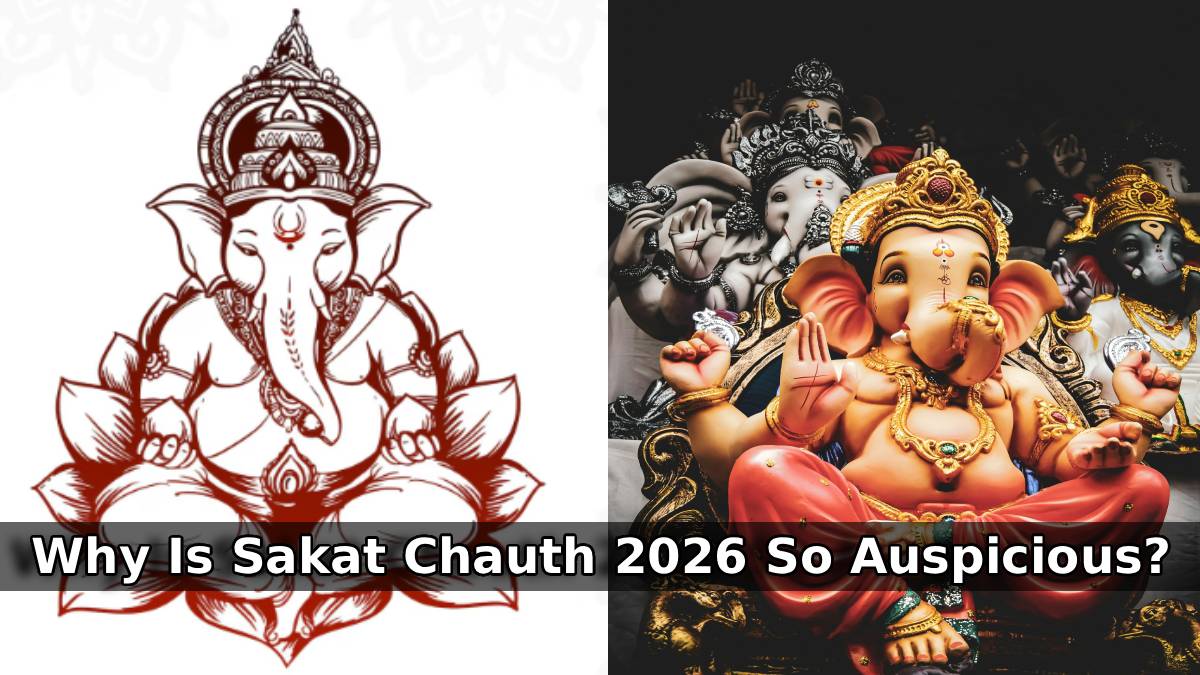
India is a country in which life around the family's circle and traditional practices is intermixed with life outside it. Sakat Chauth on Jan. 6, 2026 One such festival is Sakat Chauth. Lord Ganesha, The Remover of Obstacles God and Guru of Wisdom. This month, mothers of girls in India fast day by day. The festival is a religious holiday with its emotions as well, a ritual expression for the sacrifice and devotion of both genders.
Meaning of Sakat Chauth:
Sakat Chauth, also known as Tilkut Chauth or Maghi Chauth, is celebrated on the fourth day of Krishna Paksha of the month Magh in accordance with the Hindu calendar. The word “Sakat” is associated with trials or adversity. Followers believe that worshipping Lord Ganesha on this day shields children from the challenges of life and contributes to a strong life in the future. To the fasters, it seems to invite godly assistance into the home.
Rituals of the Day:
Mothers who wake up early for Sakat Chauth take a bath and get ready for the puja. The fast is often strict, with many women remaining abstinent from food and water until evening. For this reason Lord Ganesha is considered to be revered through offerings of sesame seeds, jaggery, and laddoos. (These items are holy and supposedly bring warmth and energy in winter.) Families break their fasts at night when they see the moon. They offer water to the moon and pray for their children’s prosperity. The vrat katha (fasting story) is recited as part of the traditional Sakat Chauth, telling the devotees that their life depends on faith and devotion. Families all gather around for the story and share prasad, which strengthens bonds in the community.
The reason mothers fast for their children:
The tradition of Sakat Chauth is tied directly to the worship that a mother's prayer is effective. Through a devotion to fasting, mothers hope that God will protect their children. Lord is the guardian of wisdom and success, and according to a myth, he supports the children to get through life's trials. Fasting also signifies sacrifice and discipline. Mothers are more than prepared to put up with hunger as an act of love and solidarity with their child as the mother and the parent in this relationship. The belief that this type of devotion can attract good energy and blessings into the home was discussed.
Cultural Importance:
Sakat Chauth is something we practice as a community and not only as a religious practice, but it also represents the role of the mothers as nurturers and protectors. It highlights Lord Ganesha’s centrality to Hindu society and he is called on at the beginning of each auspicious activity. Across much of the world, communities observe it together with prasad, listening to the vrat katha. That kind of joining of the celebration builds solidarity and collective belief.
Health Connection:
Interestingly, the food served during Sakat Chauth, sesame seeds and jaggery has health benefits. They are both deemed warming foods, perfect for winter. They are sources of energy, help you to better maintain an appropriate size for your digestion as well as to make your body strong and improve your immune system. This is why the rituals also represent traditional wisdom about seasonal nutrition that is at the base of society: they suggest the interconnectedness of culture and health.
On January 6, 2026, Sakat Chauth was observed. A festival of devotion, sacrifice, love. Fasting on this day helps mothers pray for their children's health, prosperity, and long life. In Hinduism, the rituals we keep to honor Lord Ganesha represent the protection from difficulties and blessings you should have in order to succeed. Sakat Chauth is about more than just religion, it embodies the culture, values of family, motherhood, faith. It reminds us that traditions are more than rituals; they are heartfelt prayers for generations to come. For millions of households, this Day is a Day of Celebration and a Day of Love & Resilience and the Power of the Bond Between Parent and Child.