What Fog and Pollution Do to Your Honest Eye. People coming to the eye clinics in winter often have eyes with irritated, red areas, water-filled and burned eyes, as well as eye inflammation. Most people think they have symptoms just a consequence of cold weather or getting too hot. But the exact cause is a mixture of environmental reasons - mainly fog and haze polluting the air. This is an explanation of how the fog can do work in winter, weather.
When conditions decrease, moisture in the air condenses to create fog or low-lying clouds, commonly early morning and night. Despite fog’s benign appearing quality, though, it contributes a lot to the degradation of air quality. Fog traps pollutants closer to ground preventing them from diffusing up to the upper atmosphere.
How Smog Forms
When fog mixes with air pollution emitted by automobile exhaust, industrial emissions, construction dust, and burning fuels, this form is smog.
This smog includes harmful substances such as dust and dust particles. They also form irritants of metal and other substances, and may contain fine particulate matter, including PM2.5 particles with their added oxygen content, and PM10. And these particles can remain suspended in the atmosphere over an extended period of time--providing increased human exposure.
Impact on Eye Health
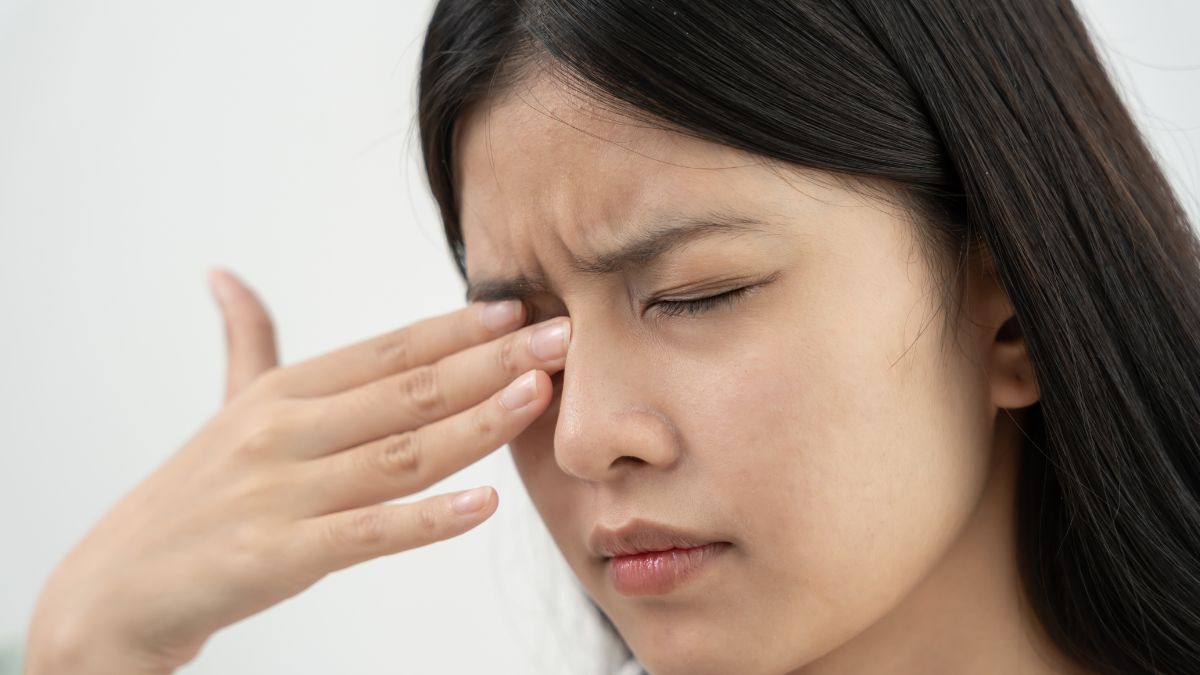
The eyes are most susceptible since they are exposed to the environment. Fine particles and chemical contaminants in the smog will easily hit the eye surface disrupting the natural tear film. This also causes symptoms such as:
- Redness and irritation.
- Burning or stinging sensation.
- Too much watering or drying.
- Sensation of grittiness or foreign bodies.
- Increased sensitivity to light.
Those already suffering from dry eye syndrome, allergies or other contact lens use problems may find symptoms worsen when the winter hits.
Preventative Measures
To mitigate eye health during winter:
- Avoid outdoor exposure in the heavy fog or at elevated pollution hours.
- Use protective sunglasses or eyewear outdoors.
- Use lubricating eye drops where advised by a professional with eye care.
- Keep indoor humidity up to date. Do not rub the eyes, especially with unclean hands.
When to See an Eye Doctor
In cases where symptoms persist, worsen or are painful, blurred or have discharge, it is imperative to consult an eye care professional immediately. Timely diagnosis and treatment can avoid complications and help maintain eye wellness through the season. Conclusion. Winter’s eye irritation is not because of just cold - but due mostly to fog and air pollution. Knowing where these two elements intersect also enables people to take preventive measures to look after their eyes and for better eye health over winter.
Disclaimer:
This content is for informational purposes only and does not constitute medical advice. It is not intended to diagnose, treat, cure, or prevent any medical condition. Always consult a qualified healthcare professional for diagnosis and treatment.