
The Sri Mookambika Temple in Kollur, one of the most respected Shakti Peethas in Karnataka, attracts lakhs of devotees every year. It is a spiritual place, and in the midst of the natural beauty of the Western Ghats, the temple is a Mecca for devotees from all over Karnataka and the world.
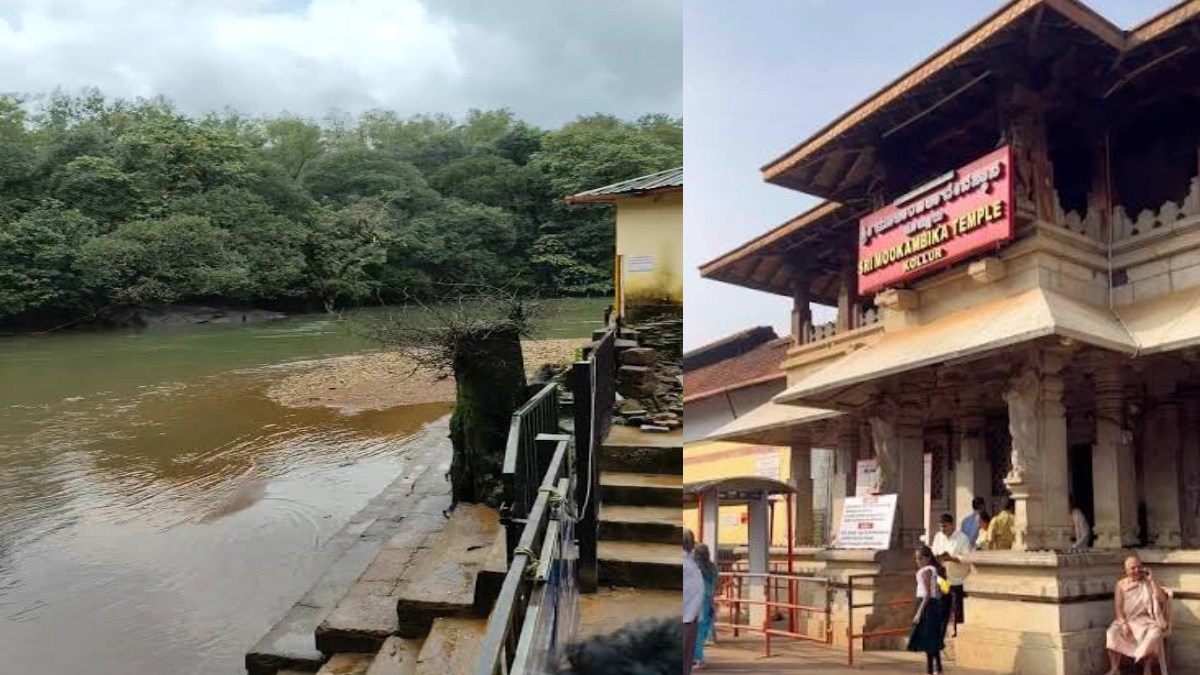
But as the Mookambika Corridor Project is being discussed and infrastructure and tourism facilities are supposed to be improved, pollution in the river and sewage management in the vicinity of the temple are being neglected, and Agnitheertha, situated in front of the temple and the sacred Souparnika River have become major issues, and people who live there are demanding permanent solutions for their religion, the environment and its heritage.
Encroachment of Six Acres of the Agnitheertha River area. Sri Mookambika Temple is located in Kollur, Byndoor taluk of Udupi district. It is a place of great religious meaning and has its natural aspects. Although development is being considered for pilgrims and tourists, the water bodies and natural resources are also being considered as part of the pilgrimage.
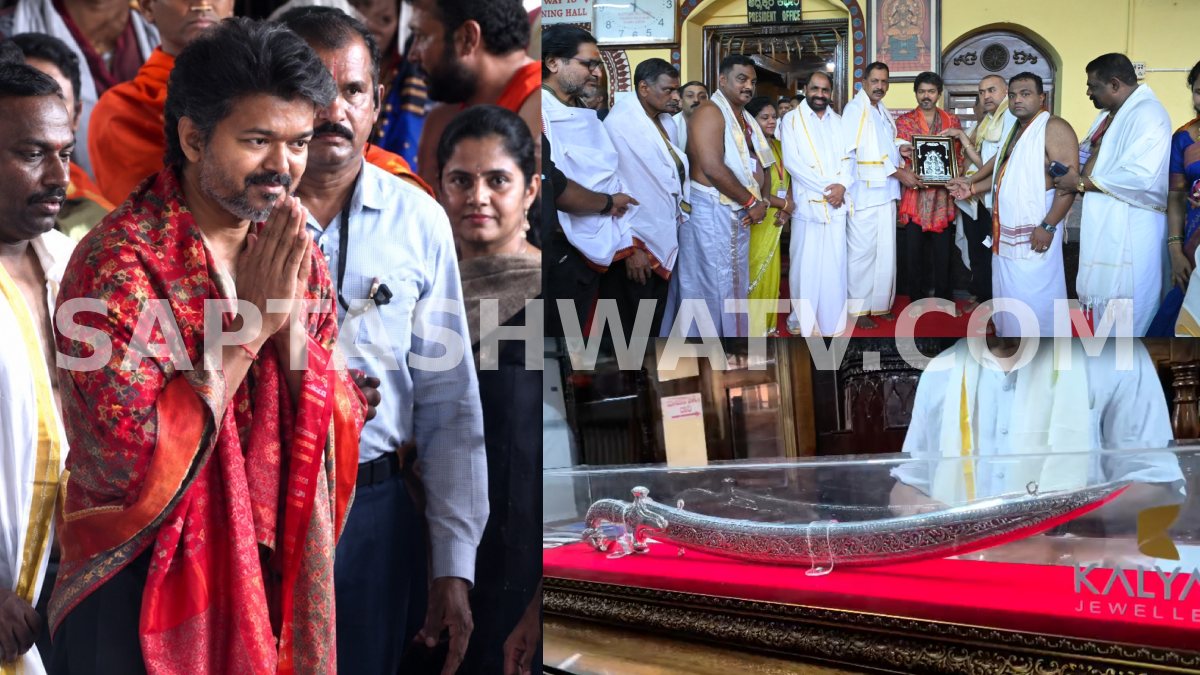
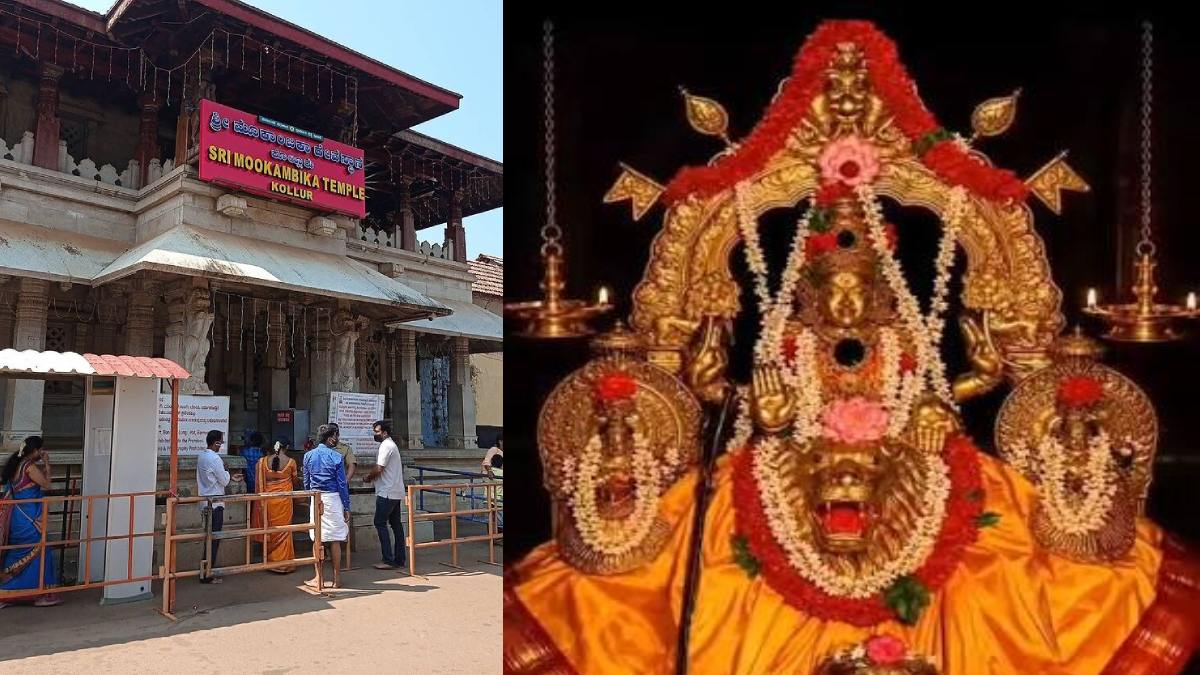
Five to six acres of the Agnitheertha river area in front of the temple have been encroached upon, according to the claims of these organisations. The investigation of the alleged encroachment, the actual boundaries of the river area and where the violation has been found is now in process. The river zone is not only important in environmental conservation but also for the protection of the temple and the temple itself.
Sewage discharges from Lodges. Another big concern is sewage discharge into Agnitheertha, which is also being reported to be from nearby lodges, and the drainage system is not working. Residents say it does contribute to pollution of the river.
The sewage being poured into a water body close to a famous religious centre has raised some questions about sanitation and wastewater in the vicinity. Residents and devotees have expressed their concern on a number of occasions, and protests have also been conducted in the past in order to demand measures.
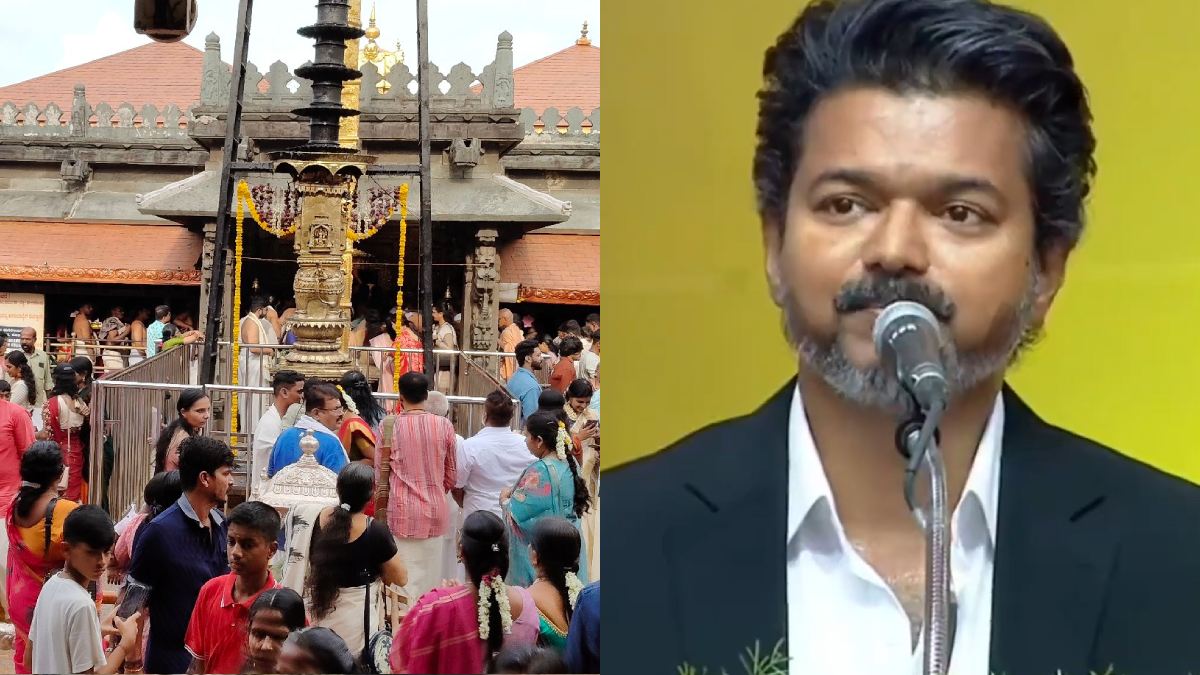
However, there is yet some doubt whether there is a permanent solution to the encroachment, sewage discharge and lack of a scientifically designed drainage system. A detailed evaluation of the drainage network, collection of the wastewater discharge points and treatment facilities to be installed will help to solve the problem. The authorities need to know the facts through inspections and take corrective measures based on the evidence.
Souparnika River Water Quality Under Review. The Souparnika River is deeply associated with Kollur Mookambika Temple and many devotees visit it to take a holy dip and in their minds to spend time in it is the religion, or to bathe their bodies and also to wash their head in it. So sewage could be flowing into the river, and that has worried the pilgrims.
Besides the spiritual significance of the river, it is also a public health and environmental problem. Untreated wastewater will be harmful to water quality, and risks will arise depending on the level of contamination and the nature of the contamination. But the real extent of pollution has to be established by science, and the results need to be publicised.
Water samples should be taken from the departments to assess contamination, and information should be published for public consumption. Regular monitoring would help to identify pollution sources and the treatment of water and assess if the actions are working. It is important to keep sewage from entering the river and maintain proper sanitation in bathing areas.
Mookambika Corridor Project must be oriented towards environmental protection. The proposed Mookambika Corridor Project has generated expectations of better roads, smoother traffic movement, better pilgrim facilities and better tourism infrastructure. Such improvements could make visits easier, especially during peak pilgrimage times. But with the people’s concerns, it is a reminder that development should not outweigh environmental protection.
A corridor project should be evaluated beyond the buildings, roads and visitor facilities to include the maintenance of rivers, natural landscapes and the ecosystem as an important part of its scope. Devotees and residents want the temple to be clean, drainage systems to work, and nearby rivers to be protected from pollution.
Sewage treatment, cleanup, river conservation, monitoring and regular environmental monitoring should be integrated into development activities to ensure that better infrastructure is available to the public and the local people. In fact, the authorities should specify how environmental issues will be handled when developing the plan and how the local people will be protected from this.
Kodachadri Ropeway Proposal also raises Environmental Questions. Many environmental concerns are raised not only in Kollur but also in Kodachadri. It has been a region that has beautiful landscapes and biodiversity and a strong spiritual significance. The latest discussions of ropeway projects are bringing attention to the relationship between tourism development and nature conservation.
A ropeway could potentially open new paths for visitors but the environmental impact of a ropeway, as discussed in advance and before making any final decisions on the route and planning decisions on how to do so should be taken into account the environmental impact on forests and wildlife habitats, biodiversity and natural environment should be taken into account. And the spiritual and cultural importance of the region and spirituality of the area should be considered in the planning process.
Any development proposal must be in accordance with all environmental requirements and safeguards for development and must comply with environmental requirements and precautions. Both the public and the departments in charge of the area are to make public statements that will be accompanied by transparency, transparent assessment and not just tourism interests as a means to make decisions based on tourism goals.
Residents Want a Time-bound Action Plan. The main request of residents and devotees is for a long-term solution to the issues with Agnitheertha and the Souparnika River. This includes investigating the allegations of encroachment, stopping the discharge of untreated sewage, establishing an effective drainage and wastewater treatment system and regularly checking river water quality.
If the root causes of pollution are not fixed, cleanup drives or promises may not work. A time-bound action plan that identifies the responsibilities of the relevant departments and periodic public updates could be very effective in enhancing accountability. The authorities also have to ensure that any identified encroachments are addressed according to the law and pollution sources are identified and controlled.
Kollur is not only a city of temples but also of infrastructure. Its spiritual identity is closely linked to the faith of the faithful, the purity of its rivers, Kodachadri’s beauty and a culture that has been preserved over the years. And as plans for the Mookambika Corridor advance, the protection of Agnitheertha and the Souparnika River must be taken into account. Development will only be sustainable if the administration, local authorities and the relevant departments coordinate their efforts so that the development of the facilities does not threaten the environment.




Comments
Leave a Comment