
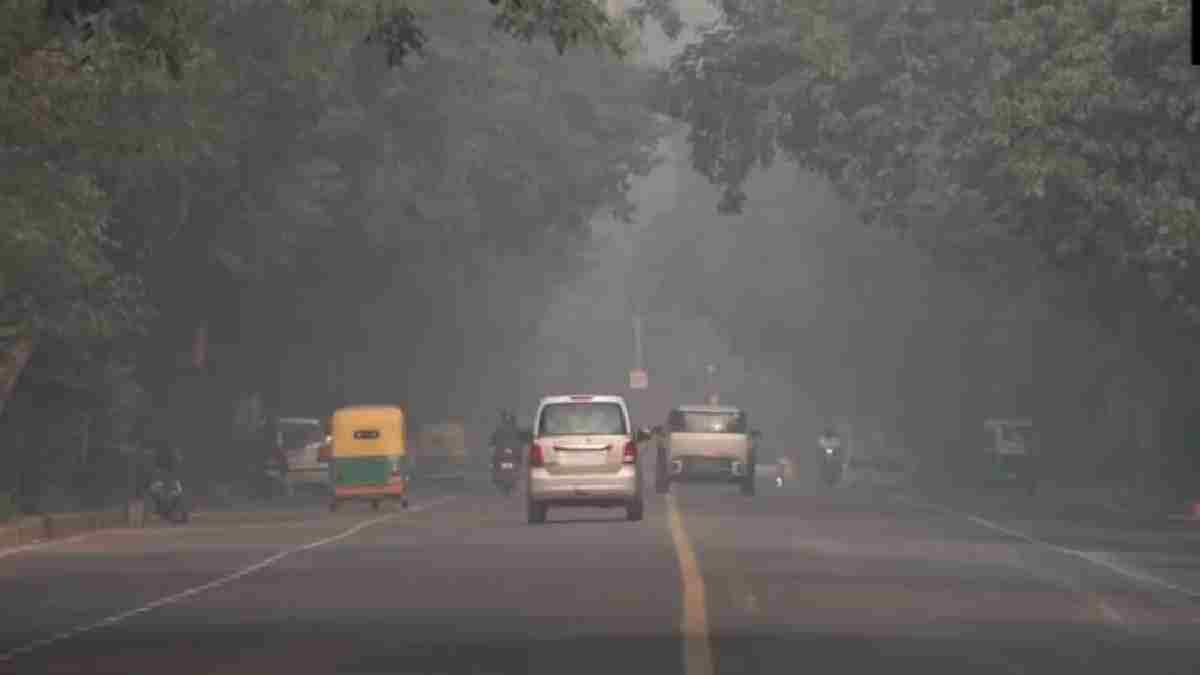
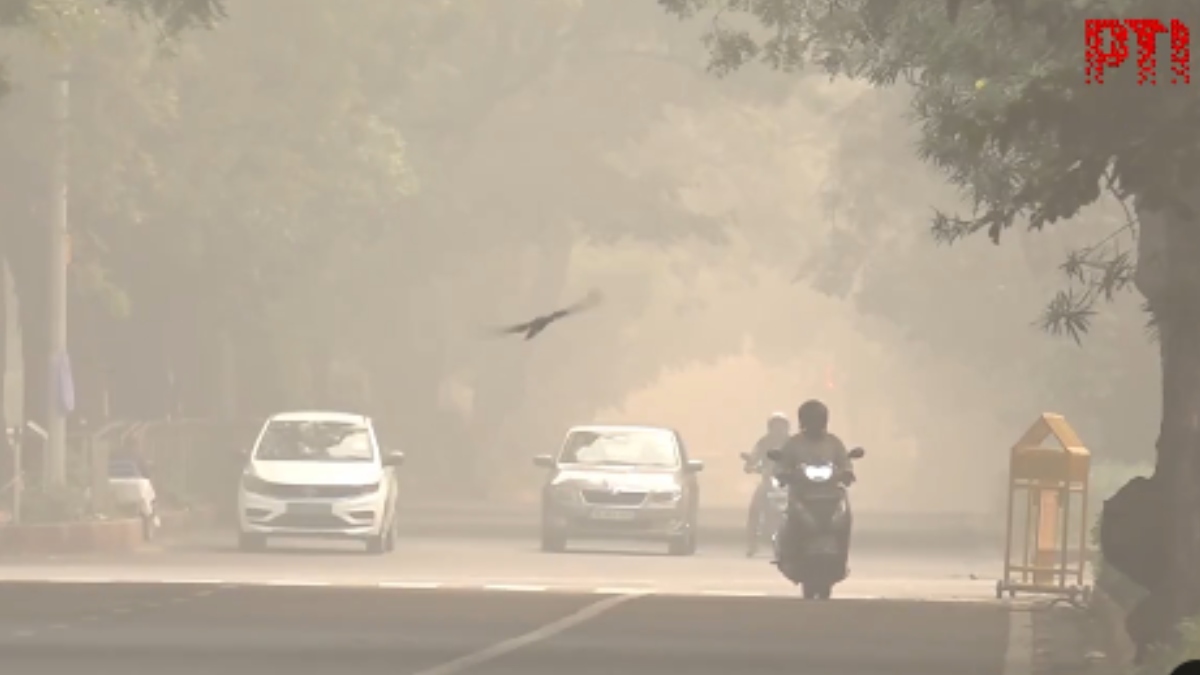
Delhi’s air pollution crisis has once again worsened with the national capital falling into ‘Severe’ category on Today. Smog and fog blanketed several parts of the city rendering visibility poor and posing serious health hazards to people.
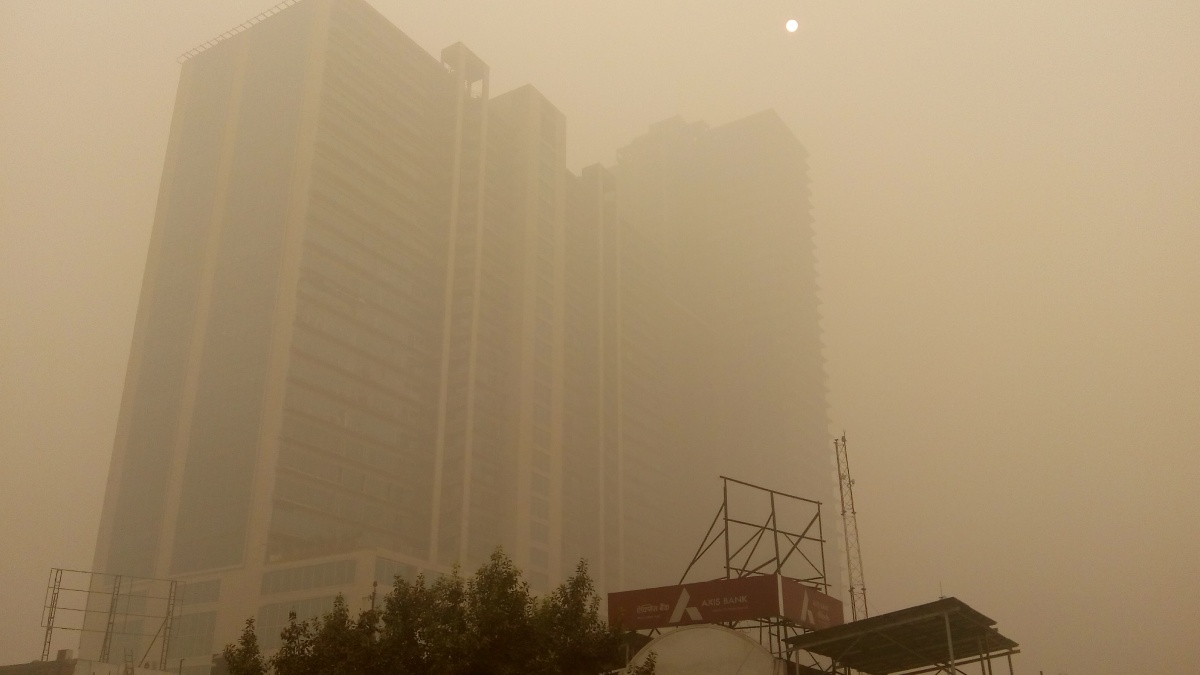
Overall AQI crossed 400 mark while many monitoring stations recorded readings above 450. IIT Delhi was one of the worst affected locations as it had an AQI around 488 (pollution level dangerously close to upper limit of 500 point scale).
Sudden deterioration has raised questions about city’s ability to tackle its winter pollution problem again as colder mornings and unfavourable weather make dispersion difficult.
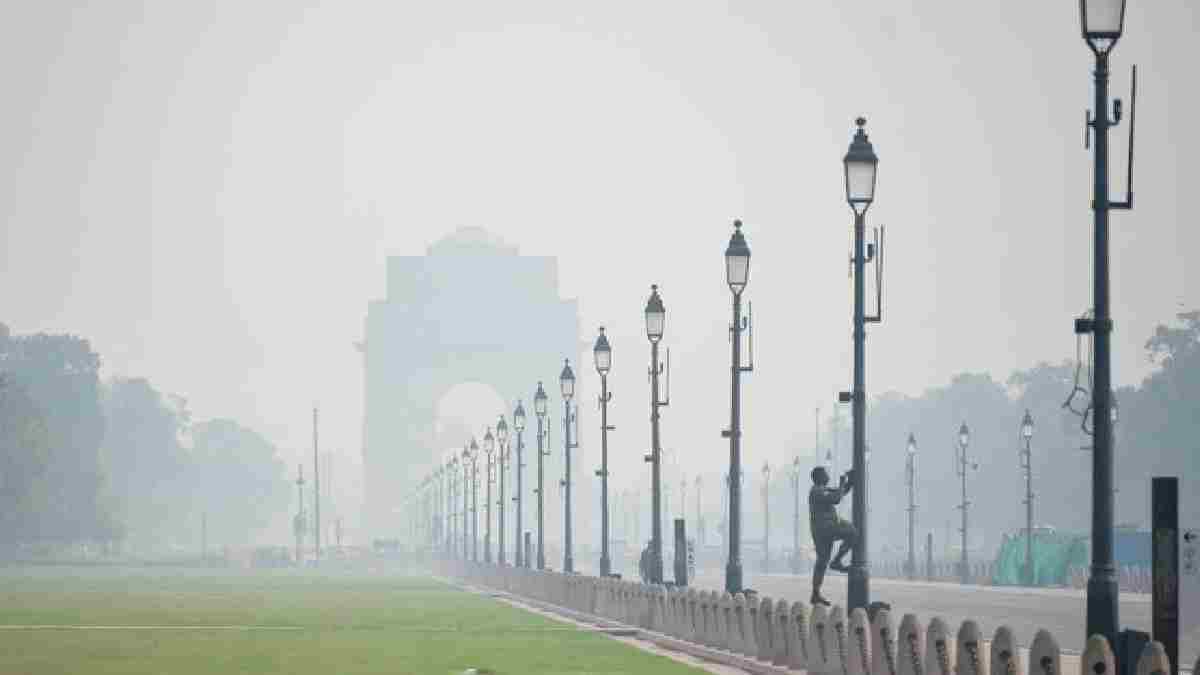
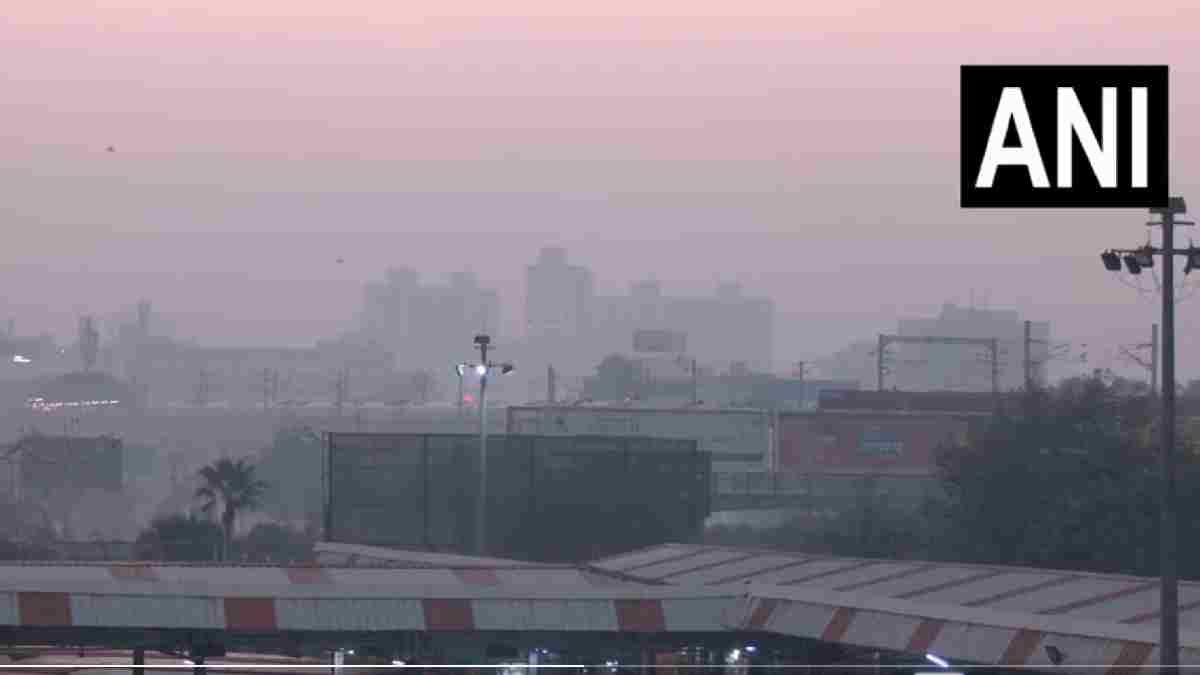
Delhi’s overall AQI was around 402 in the early hours of Friday and that put it into Severe category but readings varied across the monitoring periods with another morning update saying citywide AQI was 494. IIT Delhi had AQI at 488, Chandni Chowk and Delhi University North Campus were extremely polluted (480+) too. Pusa, Jaffarpur, Burari Crossing, ITO, Jawaharlal Nehru University, Anand Vihar, Rohini and Jahangirpuri were severely polluted places too.
CPCB data reported on Friday morning said 33 out of Delhi’s 58 air quality stations recorded pollution levels in the severe category. These figures show how widespread the problem has become as residents from different parts of the capital are breathing unhealthy air now.
The pollution has been made worse by unfavourable weather conditions (low wind speeds and pollutants close to the ground), winter where temperatures are lower, atmospheric mixing is shallow and wind movement is reduced and crop residue burning in neighbouring states which leads to smoke.
The Diwali celebrations on November 8 last week also played a part as firecrackers can increase particulate matter concentrations further. There have been reports of PM2.5 concentrations rising sharply within 24 hours more than doubling overnight on Thursday evening to reach 244 micrograms per cubic metre. PM2.5 particles are extremely dangerous because they are so small they can get deep into lungs and even enter bloodstream.
Meanwhile, IMD has forecast foggy mornings too which means there is more to worry about visibility and road safety. Dense fog combined with pollution smog have made several parts of Delhi hazy in the early morning hours. Commuters travelling on highways and major roads may face difficulty due to reduced visibility.
Foggy mornings will continue to be a concern over the next two days but daytime skies are expected to remain partly cloudy. Maximum temperature in Delhi would hover around 28–30 degrees Celsius on Friday while minimum temperature is likely to range between 16 and 18 degrees Celsius. Over the weekend also temperatures are expected to change gradually.
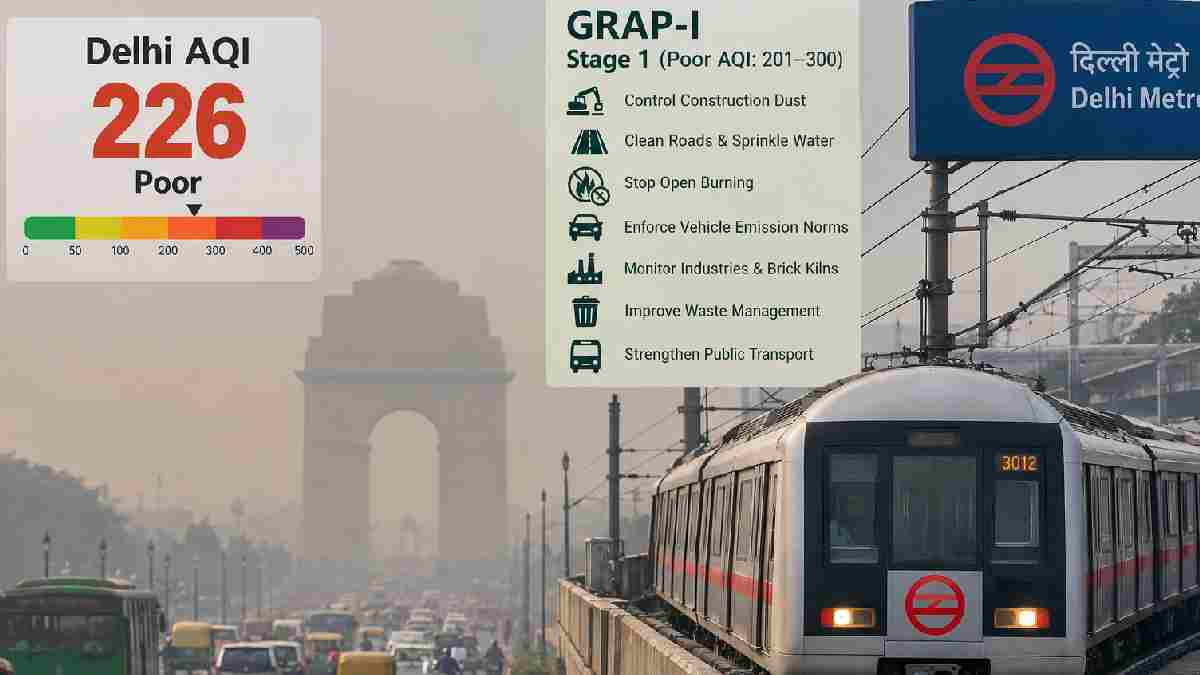
The deteriorating air quality has also questioned the effectiveness of pollution-control measures being implemented across Delhi-NCR. The CAQM had already invoked Stage III restrictions under GRAP on November 6 after Delhi’s AQI was at 382 and forecasts showed further deterioration.
Stage III restrictions are meant to control pollution through measures against construction activities, dust generation and other major emission sources. Under revised GRAP framework AQI readings above 401 are classified as Severe under Stage III while those above 450 are classified as Severe Plus triggering additional emergency measures. Authorities will now have to keep a close watch on pollution levels and take action depending on situation.
The health implications of this pollution are particularly concerning. An AQI between 401 and 500 is Severe under India’s standards. At this level air pollution can affect even healthy people but people with existing respiratory and cardiovascular problems are at much greater risk; children, senior citizens, pregnant women and those with asthma or other lung conditions are most vulnerable. Over time breathing becomes difficult coughing throat irritation chest discomfort worsening respiratory symptoms etc.
Health experts generally recommend that residents minimise outdoor activities (early morning and evening hours when pollution exposure is highest) wear a well-fitted N95 mask if outdoors travel is unavoidable and use appropriate indoor air filtration.
With IIT Delhi reporting AQI close to 500 and several other monitoring stations showing similar numbers, Delhi’s pollution emergency is now top of mind for residents. What happens in the coming days will decide whether weather change or government intervention will help or not but foggy mornings, weak atmospheric dispersion and pollution sources are still around so national capital is another period of tough times ahead. Residents should follow CPCB and IMD updates and take precautions until air quality improves.





Comments