Indian cinema is an amalgamation of languages, cultures and traditions. Each regional industry has its own distinctive style, but over the past decade Kannada cinema also known as Sandalwood in popular literature has become popular at a national and global level. KGF and Kantara movies have not only broken records at the box office but also won people's hearts with their storytelling technique and cultural depth. Now the veteran Bollywood actor Anil Kapoor is the most popular in all of this. His recent words of praise for Kannada cinema have stirred up enthusiasm with fans. More than that, his message has led to an interesting question: is he suggesting a re-entry into Sandalwood, which is also the industry where he made his acting debut decades ago?
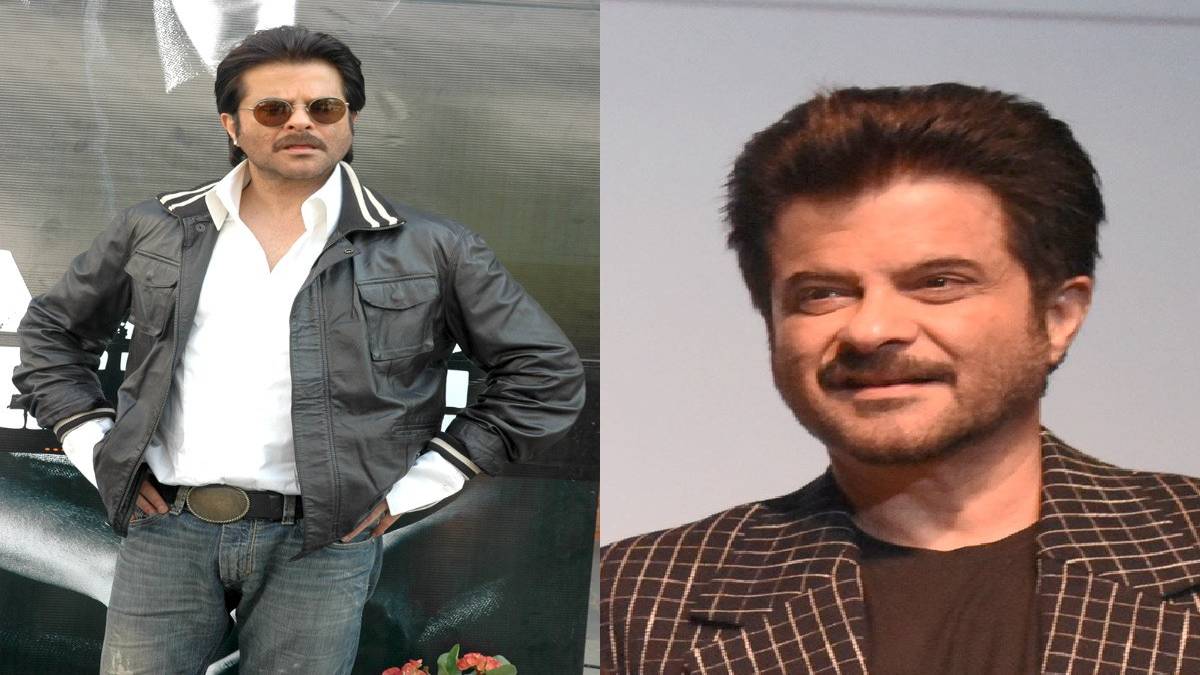
Anil Kapoor’s Message of Praise:
Anil Kapoor recently publicly recognised the Kannada film industry in a tweet. He recognised Yash, director Prashanth Neel, and the filmmaker‑actor Rishab Shetty, who raised the bar with KGF and Kantara and commended their teams for the effort. His words were heartfelt:
He saluted the sheer creative genius and effort and thought behind these movies. He loved how Kannada cinema has established new standards for narrative and production. He said he hoped this wouldn’t be his “last association” with the industry. This final line has caught everybody’s focus. Kapoor may be happy to do Kannada again, a big step in his career.
A Retrospective Look Kannada Debut, A Film by Anil Kapoor:
Kapoor’s first major role was in Kannada cinema before he became a household name in Bollywood. He appeared in the 1983 film Pallavi Anu Pallavi, directed by Mani Ratnam, the celebrated filmmaker. This was a sensitive film about relationships and emotion and the film was well received for Kapoor's acting. And though Kapoor then transitioned to Hindi filmmaking and cultivated a long film career with Mr. India, Tezaab, Ram Lakhan, Slumdog Millionaire and Dil Dhadakne Do, his Sandalwood roots hold a place and he has not forgotten his roots in that industry. This debut led to his first taste of acting success, and it ties him a lot to Kannada cinema today.
The Rise of Kannada Cinema:
As I said previously, all history shows, the Kannada films were for many years only regional tales with minimal reception. But the past decade has altered everything.

KGF Series:
Now directed by Prashanth Neel with starring Yash, KGF Chapter 1 and Chapter 2 are both epic flicks. They melded stylish action, poignant pathos and grand visuals. But they found wide viewing across India and across the globe.
Kantara:
Written, directed and acted by Rishab Shetty, this movie mixed up folk customs, and some spirituality mingled with strong emotions from humanity alone. It was a cultural phenomenon, leading discussions about tradition and faith, identity, etc.
Kannada cinema can compete with most of the biggest industries in India. The films prove it so. They also demonstrated how genuine storytelling rooted in local culture can resonate around the world.
Why does Kapoor's Words Matter?
Anil Kapoor’s salute is more than flattery. It’s a testament to India’s cultural shift. For decades, Bollywood reigned supreme on the national stage. But now, South Indian movies Tamil, Telugu, Malayalam and Kannada are raising the bar. In praising Yash, Prashanth Neel and Rishab Shetty, Kapoor is also recognizing Kannada’s leadership in innovation and storytelling. He also expresses a willingness to cooperate and that is likely to inspire some cool things down the road.
May He Be Referring to a Return to Sandalwood?
Then the line that interested me most about Kapoor’s messaging is: “Hopefully not my last association with this amazing industry.” Even though we know from watching that he has never acted in more Kannada films, his fans are wondering whether he will. Why this possibility is possible:
Personal Connection:
As he made his first film in Pallavi Anu Pallavi, returning is a nostalgic and symbolic move.
Growth of Industry:
Given that Kannada films have now entered an international stage, it follows that we should take an intelligent next step on this front.
Collaboration:
Bollywood actors are working more and more in South Indian films. For instance, Sanjay Dutt and Raveena Tandon entered the KGF Chapter 2. Kapoor might take a similar route. Not much is confirmed, but his words certainly leave the door open.
The Broader Trend:
South Cinema Meets Bollywood. Kapoor’s praise comes amid a broader trend. Bollywood actors have made their way to South Indian projects in recent years. This cross‑industry collaboration works for both sides:
South films have more star power and a broader audience. Bollywood actors get fresh roles and a taste of the industry through exposure to new audiences. The recent examples are Amitabh Bachchan for Sye Raa Narasimha Reddy, Alia Bhatt for RRR, Deepika Padukone for upcoming Kalki 2898 AD. Kapoor would follow these same footsteps with his possible entry into the Kannada cinema scene.
Audience Reactions:
Kapoor’s salute attracted praise from everywhere from social media followers. Many were pumped about the idea of him working in Sandalwood once more. And a few suggested roles they would love to see him portray, a guide in an action-hero, say, or an older figure in a folklore-based drama. The enthusiasm is a testament to how much more people respect Kannada cinema. It is no longer relegated to “regional” status, but a national and global force.
The Future of Sandalwood:
Kannada cinema has raised its sights with films like KGF and Kantara. The industry is now being expected to produce bigger projects. Directors are pushing genres. Bringing together local traditions with modern storytelling. Would he give more ammunition to Sandalwood if actors like Anil Kapoor were brought in to play him? This could bolster its claim to power even more, but with his experience and charm, he could also apply that to any other project.
Anil Kapoor paying his respects to Kannada cinema is more than a compliment. It is an acknowledgment of the rise of the industry, a salute to his own background and perhaps a signal of further working relationships. Kannada has also achieved the approval of some Indian critics, which might decide whether to take the film back to Sandalwood or not as these words express the increasing acceptance of Kannada films across India.
The story of Kannada cinema, from Pallavi Anu Pallavi to KGF, to Kantara have been epic in many different ways. And with such voices as that of Kapoor joining the chorus of praise, the prospects for the industry seem brighter than ever.