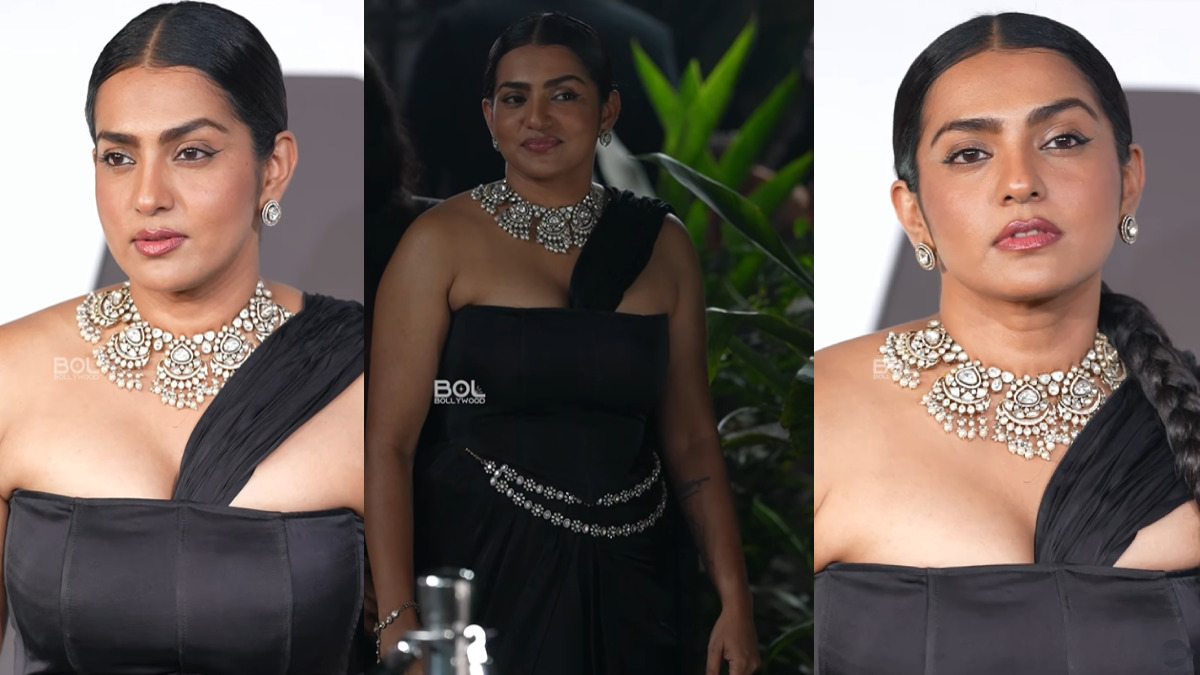
Actor Parvathy Thiruvothu recently revealed the harrowing and awkward ordeal of her first day of filming the Tamil film Maryan with star Dhanush. The scene made her soak herself in water for a romantic sequence. But what unfolded off-camera exposed a deeper issue: the way that women are often marginalized and unsupported in male-dominated workplaces, such as film sets.

Parvathy showed up to the set without a change of clothes unaware she would be drenched repeatedly for the scene. Given that no crew was trained on hand and she didn’t have anyone to help her, she called on the crew to get out of the set and return to her hotel and change. Her request was denied. The crew insisted that she have to keep on shooting, disregarding her discomfort and basic needs. When there was no other choice, Parvathy was forced to shout, “I’m on my period,” just so she could be taken seriously. And when it was done they stopped pouring water on her and allowed her to walk away, instead.
Her story underscores the lack of empathy and preparedness on film sets, especially for female actors. “There were about 50 people on set, but only three female ones,” she said. This imbalance touches things - from how scenes are planned to how performers are treated. When women are on the sidelines, their issues are frequently misunderstood and ignored. The more women in decision making roles there are, the more empathy and planning there will be. More respect for boundaries is just what we want.
Parvathy's story is not any different. Women in the film industry have experienced difficulties in the same manner, lack of privacy, poor accommodations, a culture which requires them to suffer silently. This story sheds light on the kind of unspoken and deeply felt problems one faces every day. That she had little choice but to treat her period itself as a pretext for receiving basic dignity shows how much we still have to do on making work that is both respectful, but inclusive.
What is particularly powerful about Parvathy’s story is not the discomfort she experienced, but the very fact that she decided to speak up. In an industry that often opts for silence, her voice was a catalyst to change. By sharing her experience publicly, she’s asked others to be considerate of how movie sets and workplaces more broadly can be more humane. She also debunks the stigma surrounding menstruation. In various cultures, periods are regarded as taboo, something to avoid or be humiliated through. But Parvathy took advantage of this moment to demand respect, making a private problem public strength.
This scene is more than just a behind-the-scenes story at hand. It serves as an image that dignity can never be negotiated, and standing up helps make the world aware or encourage change. Her bravery challenges the professional industry and us to reconsider the way we treat women, particularly in professional environments. This change starts down the road of simple services, individual privacy or just listening. And it carries on when we decide to respond.