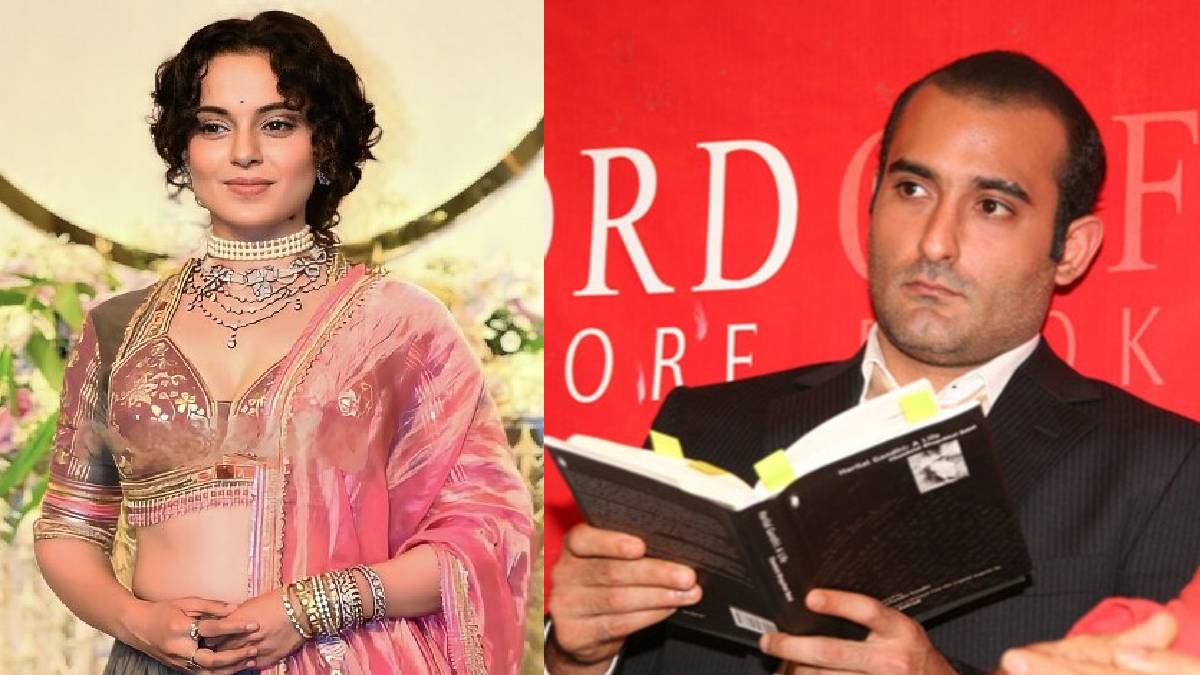
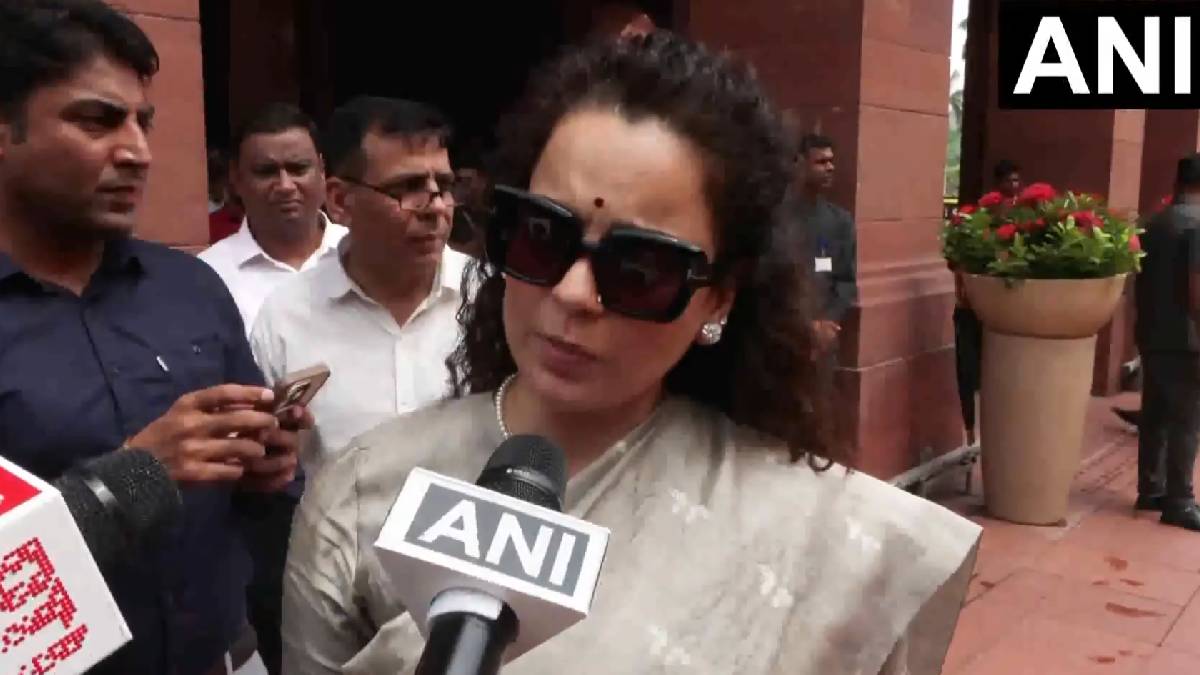
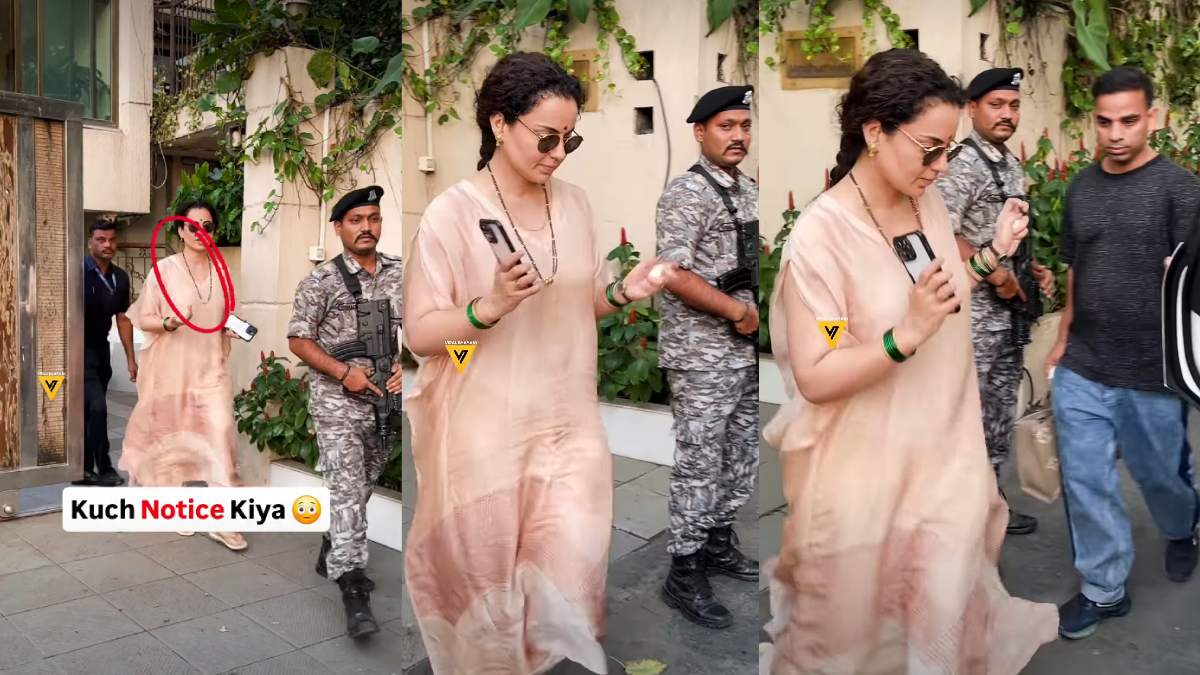
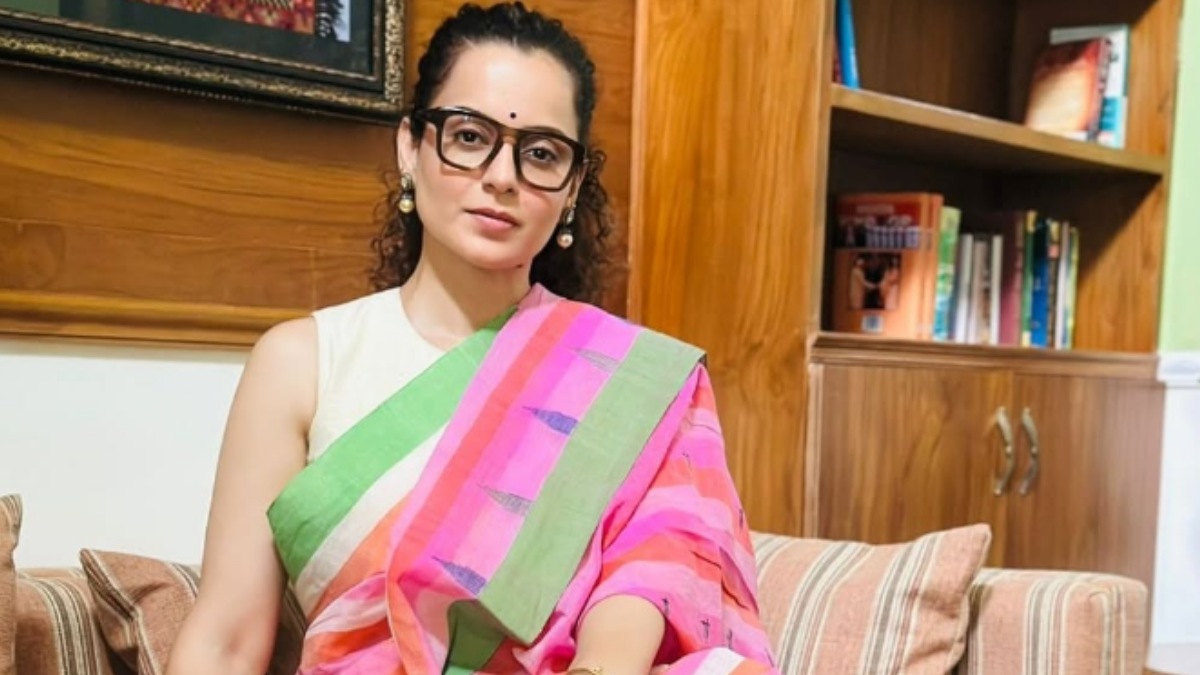
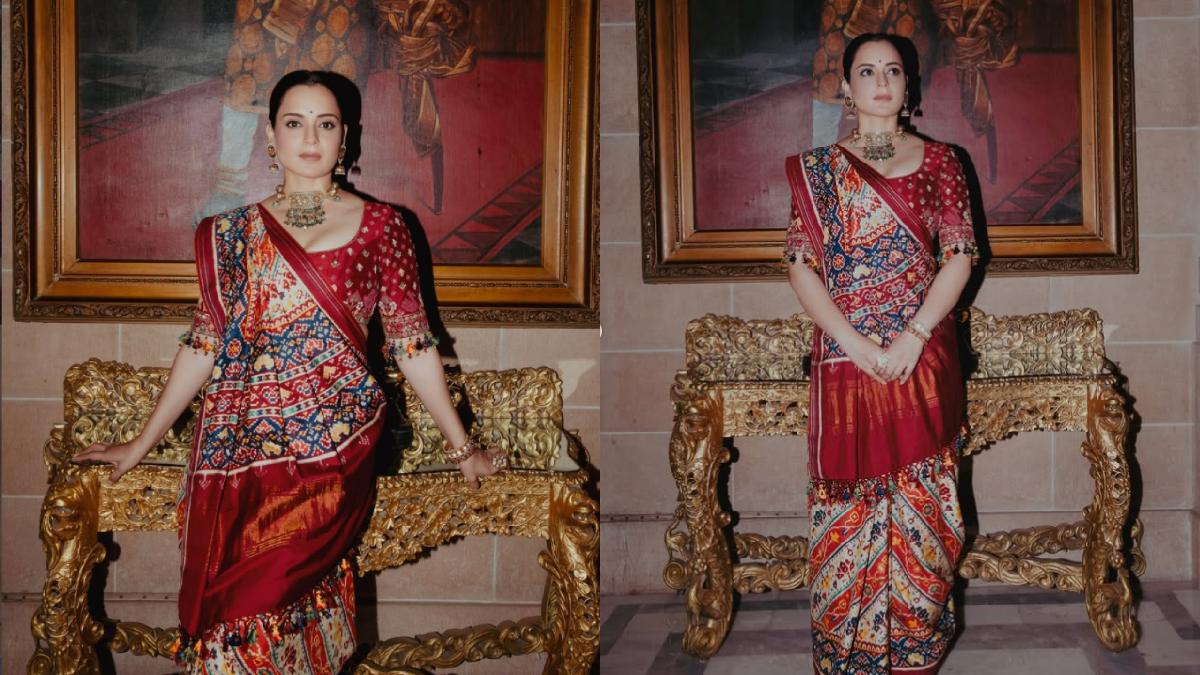
Actress Kangana Ranaut wrote in her Instagram Story about her dissatisfaction with music maestro AR Rahman, regarding his apparent bigotry and unwillingness to back her new directorial project.
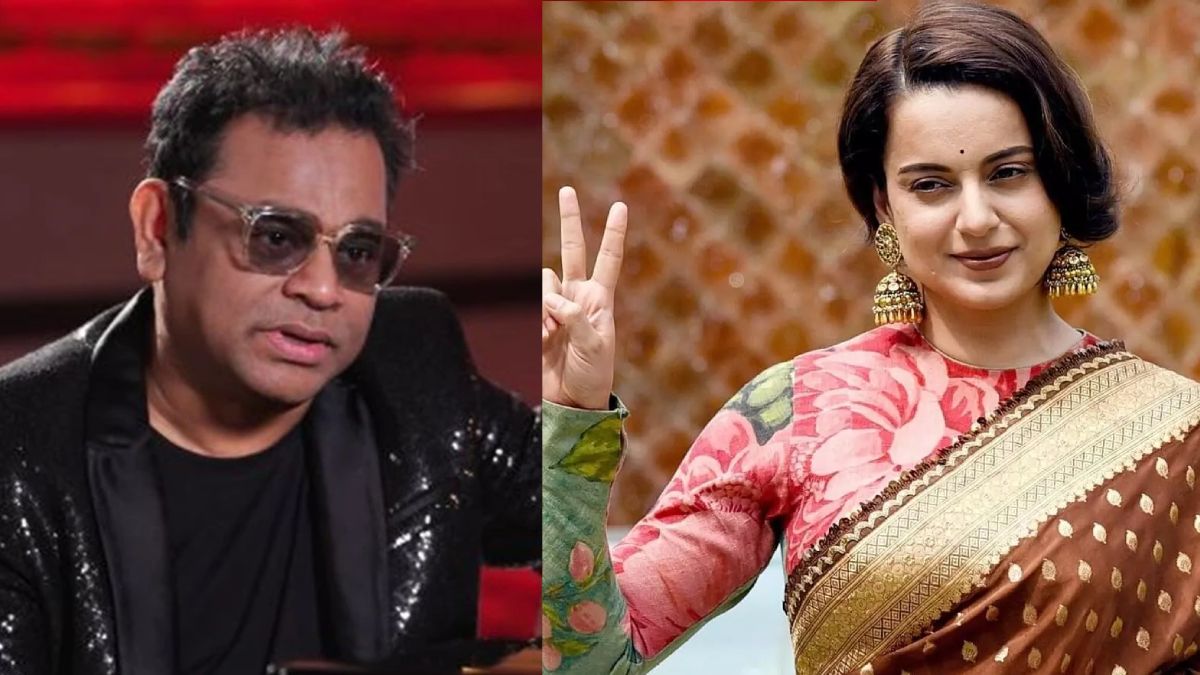
With a known outspokenness and support for the saffron party, Kangana pointed to perceived biases on the part of the film industry itself, and she said Rahman was "a man more prejudiced and hateful than anyone I've met." Kangana had indicated she would like to narrate her film Emergency which she directed directly to AR Rahman, presumably seeking his involvement in the project.
Yet, she said Rahman would not even meet her, reportedly because he did not wish to associate himself with what he saw as a "propaganda film." Kangana defended Emergency, calling it a "masterpiece" that received a great deal of critical support not least from opposition party leaders, who appreciated its careful and humane exploration of the great political era that Emergency depicts.
She suggested that while the film was well received, AR Rahman was refusing because he harbored personal animus, not for artistic reasons. This public call-out exacerbates current disputes between that actress and some film fraternity members, particularly concerning political connections and the collaborative projects of film.
Kangana’s comments have generated controversy from fans and industry insiders alike, in an indication of how politics and cinema are intertwined in contemporary India. As of now, AR Rahman has said nothing in response to Kangana Ranaut’s comments. Emergency, meanwhile, continues to be praised for chronicling a tumultuous period in Indian history — and Kangana stresses its intention to have a balanced narrative that transcends political divisions.