
There's been a stir around a teaser for the upcoming film Toxic. The teaser, which has aired in public with no censor certification, is accused of having explicit adult content. It raises questions about children’s impact and public morality, which has resulted in a formal case against it lodged with the Central Board of Film Certification (CBFC). The complaint asks to see rules governing film teasers, trailers and promotional videos be tightened.
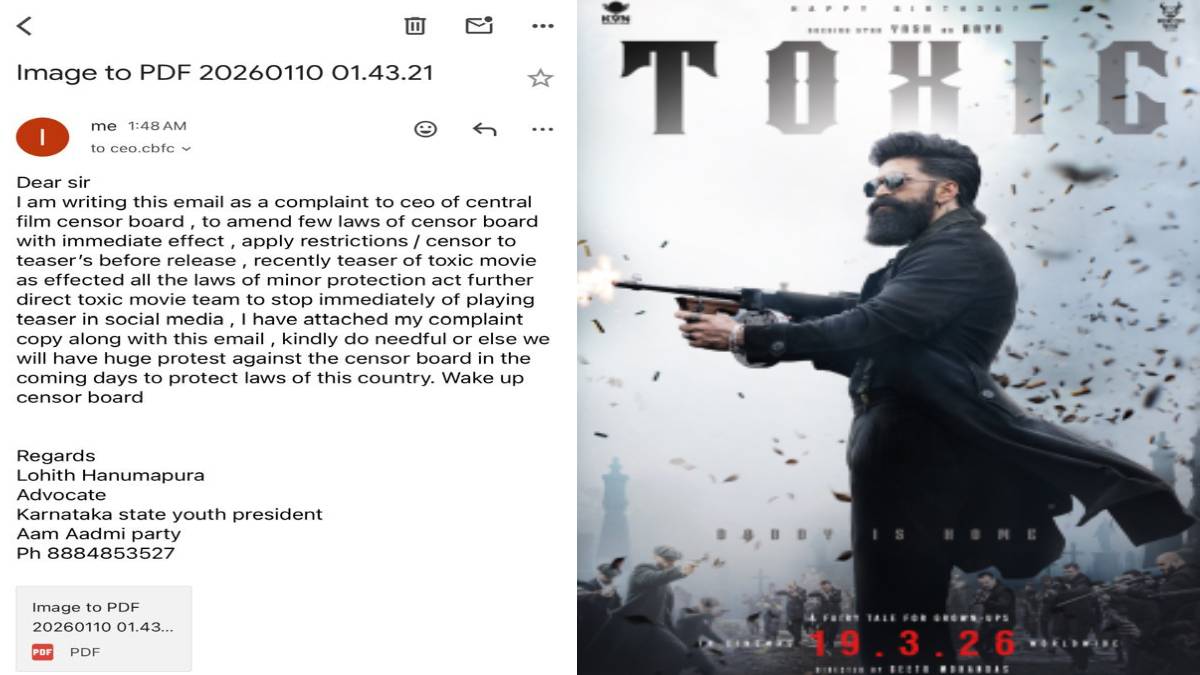
The Attorney Lohith Hanumapura lodged the case with the CBFC Chairman, noting that the teaser from Toxic was not certified so that the teaser of Toxic had not even been issued without clearance. This report states the problem has been a legitimate one and the claim could now be referred to a review of the Central Board of Film Certification (CBFC). He said the teaser features intense adult scenes and was released for free on public platforms without age limits or warnings. He said these kinds of content could potentially affect small children who had gone in without parental education and harm public morality.
The risk to children is a concern that is often raised. The teasers and trailers are shared throughout social media and on streaming platforms in the digital age. Minors can see them quite easily without age filters or warnings. Parents are concerned that their children are being exposed to content they are not supposed to see. The complaint calls for a complete cancellation of the license to publish (alongside other films), to clarify that commercialization is no longer permissible by law, and is in breach of the rights of the filmmakers and the public at large to have access to a wide range of content.
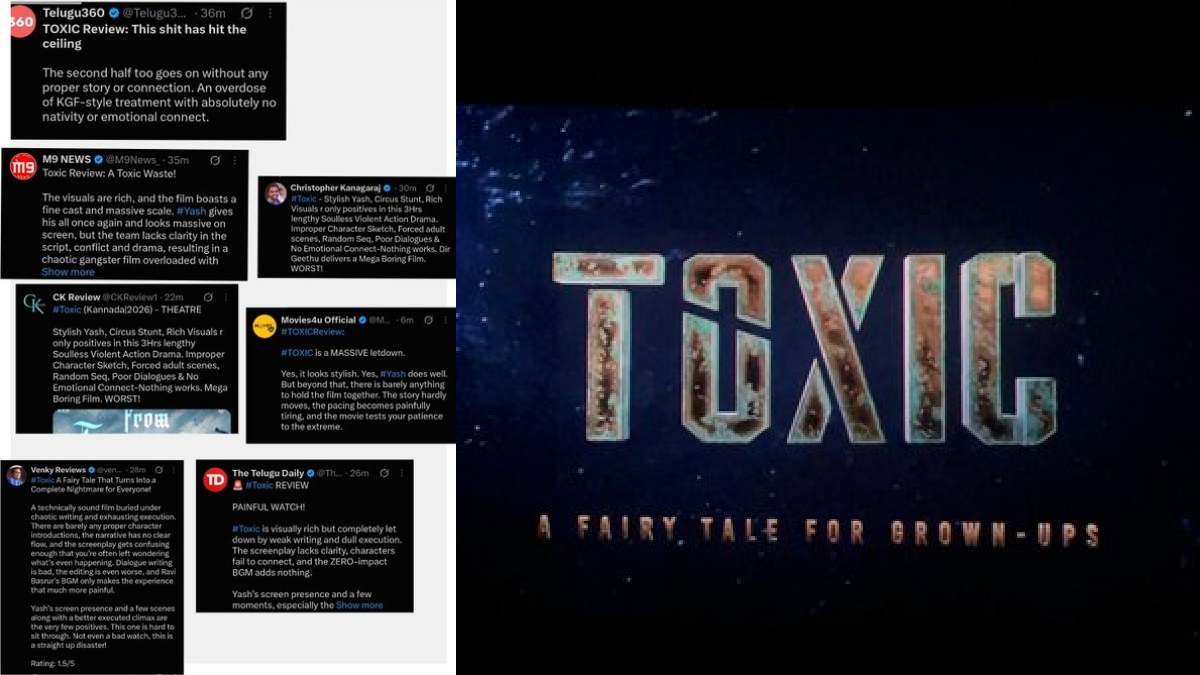

At the moment, a full film must be certified by the CBFC before it can be delivered. Teasers and trailers, on the other hand, are usually made available without being mandatory certified. The complaint calls on Congress to close this loophole. It urges the use of “official censor certification” for every teaser, trailer and promotional video. It also asks teasers with adult content to be issued on an “A” certificate and to have age warnings clearly posted on public platforms.
That debate has moved towards the teaser of Toxic. Critics say it was released by producers without consideration of minors. The complaint is also calling for prompt action on the part of the producers to remove or modify the teaser to meet certification criteria. If the teaser contains adult material, it’s “A” rated which means it has an official “A” certificate and should only be released with a proper warning.
There is thus much to hear about how film advertising in India should be regulated, if not completely forbidden. While movies must pass stringent scrutiny in order to be certified, promotional materials often escape scrutiny. However, teasers and trailers have always served as the first point of access for audiences including kids. Failing to consider them is what calls into question the point of film certification in the first place. If promotional material remains unregulated, minors can still be exposed to inappropriate visuals even if they haven’t seen the movie until a week or two prior.


The complaints against the Toxic teaser are not one film. They are precedent-setting questions! Lawyer Lohith Hanumapura’s demand for compulsory censor certification of teasers and trailers reflects these new issues: children in need of an end may grow up with explicit images, they will also have to live with society’s judgments about what is acceptable for them and no longer acceptable at all. This is a critical moment for both the media and society as a whole. It brings home a gap in existing guidelines which has to be addressed. If there were compulsory certifications for teasers, promotional films themselves would be held to this same standard of quality. Until then such controversies raise questions about responsibility, regulation and public morality as never before.









Comments
Leave a Comment