
Cyber fraud has come to light in Mumbai where a 71-year-old retired executive was allegedly duped of Rs 6.3 crore after being kept under what the fraudsters called “digital arrest” for more than two months.
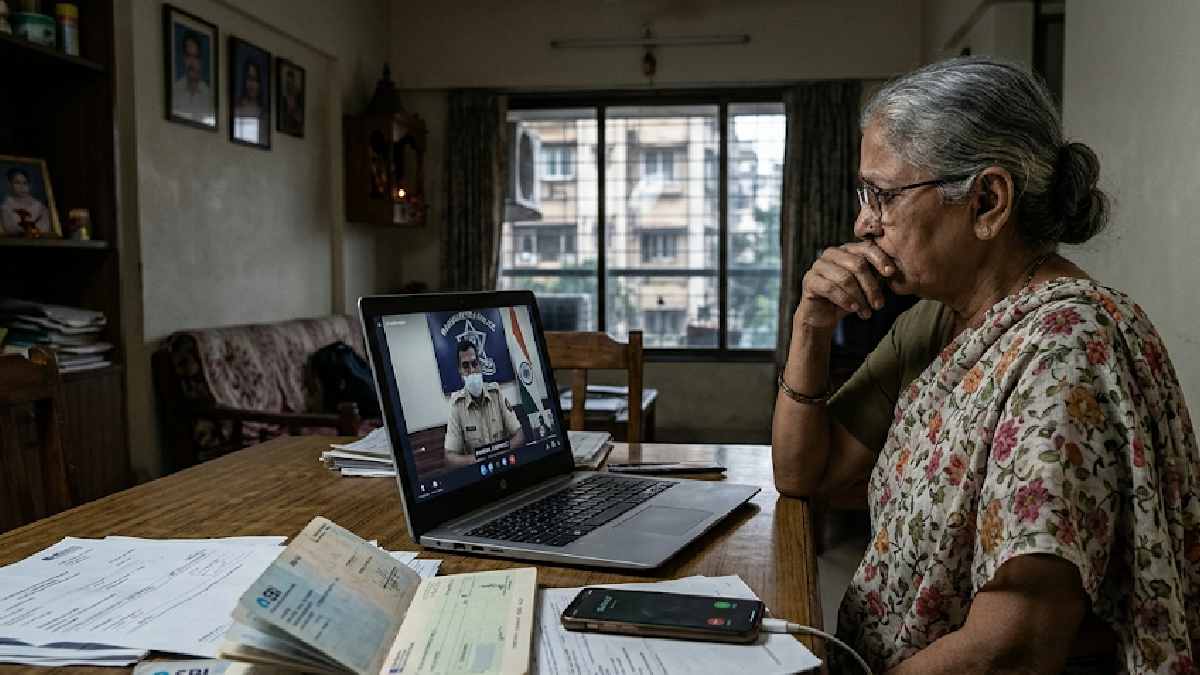
They reportedly posed as police officials and threatened to arrest her and investigate her crime so she transferred her lifetime savings.
This shows how digital arrest scams are becoming more prevalent in India: cybercriminals take advantage of people’s fear of law enforcement agencies to steal large sums of money.
Fraudsters called the retired executive while pretending to be law enforcement officials. They allegedly told her she was part of a serious money laundering investigation and could face arrest if she didn’t do as they said.
They were said to have created fear by portraying the situation as an official investigation. By telling her repeatedly that she was being watched they controlled her communication and financial decisions for months.
She was allegedly told to just do as they said and not tell anyone about it. That isolation made it easier for the fraudsters to keep deceiving her without family members or others who might have noticed the warning signs interfering with their plan.
The scamsters allegedly tricked the retired executive into transferring Rs 6.3 crore in accounts given by them over more than two months. That’s a huge amount of money and it is a loss because she lost it all.
The case has once again highlighted the sophistication of cybercriminals who impersonate police officers, officials from central investigative agencies and other government authorities.
What Is a Digital Arrest Scam
A digital arrest is not a recognised legal procedure in India. It is a term that is used to describe cyber fraud where criminals pretend to be police officers, CBI officials, Enforcement Directorate representatives or other government authorities.
Victims are threatened with arrest; video calls are used to question them and sometimes told to stay at home. Identity cards can be fake, legal documents fabricated, police background shown on CVs etc. so that the fraudster’s claims look legitimate.
They often ask for money under the guise of account verification, investigation or protection of funds. What they are actually doing is transferring the victim’s money into accounts controlled by criminals.
Warning for Senior Citizens
This latest incident highlights why awareness about digital arrest fraud needs to be raised among senior citizens. Cybercriminals often target elderly people because threats around criminal cases and arrest put a lot of psychological pressure on them.
People should remember that genuine police officers and government agencies don’t arrest people in digital jail or ask for money transfers to be verified.
If you receive suspicious calls claiming to be from law enforcement authorities don’t transfer money or share your banking details. Contact the agency independently and report suspected cyber fraud through national cybercrime helpline 1930 or official cybercrime reporting portal.
The Rs 6.3 crore fraud is yet another serious warning that cyber criminals are increasingly targeting people’s savings through fear and impersonation. Awareness, timely reporting and communication with trusted family members are still important safeguards against such scams.






Comments