
Mumbai may soon have a major underground road network to relieve traffic congestion and connect some of its busiest locations. Maharashtra government has given in-principle approval for the Integrated Road Tunnel System (popularly known as ‘Pataal Lok’) which will link Bandra-Worli Sea Link, BKC, Mumbai airport and Eastern Express Highway.
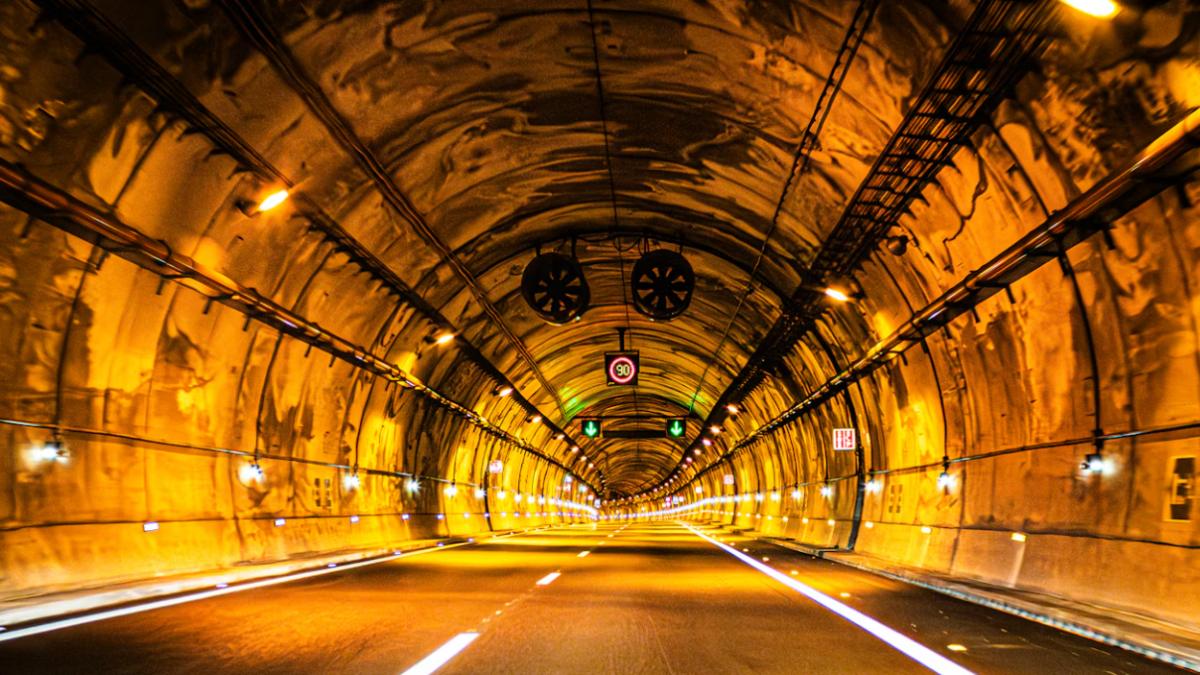
The ambitious project is being developed by the Mumbai Metropolitan Region Development Authority (MMRDA). The proposed route length in each direction is 31 km and design speed up to 80 kmph. This network will provide faster travel on Mumbai’s congested western, central and eastern corridors.
The estimated project cost is ₹53,928.2 crore.
What Is Mumbai's Pataal Lok Tunnel Project?
Pataal Lok is an integrated underground road network which aims to provide an alternative to Mumbai’s heavily congested surface roads.
Chief Minister Devendra Fadnavis reviewed the proposal on 19 November 2026 and MMRDA officials presented the revised alignment. The project was in-principle approved and now the authority could move ahead with next stages of planning and implementation.
The proposed system will link major commercial centres, transport hubs and highways through underground tunnels and entry and exit ramps.
The network is expected to connect:
- Bandra-Worli Sea Link
- Bandra-Kurla Complex (BKC)
- Upcoming BKC bullet train station
- Dharavi
- Terminal 2 of Chhatrapati Shivaji Maharaj International Airport
- Western Express Highway
- Eastern Express Highway
The connections are supposed to facilitate east-west movement and give motorists alternative routes away from congested roads.
How Will the Underground Road Network Work?
The alignment will have a central section under Mithi river between BKC and Dharavi from which tunnel network branches out in different directions.
One of the routes will link with Bandra-Worli Sea Link (which links Mumbai's Coastal Road network), another will go towards Dharavi and a third one will serve BKC commercial district.
The northern portion will connect towards the international airport. It is proposed to run parallel to parts of Western Express Highway (under Bandra East, Vakola and Vile Parle). A section of tunnel will be connected to Western Express Highway while the tunnel will continue towards airport Terminal 2.
Another connection from BKC section will be to Eastern Express Highway via an exit near Chunabhatti.
The second phase is expected to run eastwards under parts of Andheri East (Asalpha and Sakinaka) eventually connecting near Ghatkopar and the Eastern Express Highway.
This arrangement is meant to give a road network which is more integrated rather than one underground route.
Vehicles Could Travel at Speeds of Up to 80 Kmph
One of the major features of the proposed project is its planned operating speed.
The underground roads are designed to allow vehicles to run at speeds of up to 80 kmph. This is much higher than the peak-hour speeds of around 15 to 20 kmph on several congested Mumbai road stretches.
The project reduces travel time by diverting part of road traffic underground and connecting important destinations directly.
It could particularly help commuters travelling between airport, BKC the Sea Link and eastern parts of the city.
However, the speed proposed is a design target not a guarantee of travel speeds once the network is operational. Traffic conditions, entry and exit arrangements and operating regulations will all affect journey times.
Major Engineering and Environmental Challenges
Building an underground road network under a densely populated city like Mumbai will involve a lot of engineering work.
The proposed alignment must take existing buildings into account, Metro lines, railway lines, underground utilities and other transport projects as well.
According to the project details published in The Indian Express the proposal will need around 20 no objection certificates from different authorities.
Sections passing below or near Mithi River and mangrove areas will also require environmental and Coastal Regulation Zone clearances. Any work involving mangrove removal would need the permissions as well.
Tunnel boring machines will be used for much of the excavation. Other sections (entry and exit ramps) may require cut-and-cover and U-trough construction methods.
These technical and regulatory requirements will be critical in determining the project’s final alignment and construction schedule.
Mumbai's Wider Infrastructure Expansion
The Pataal Lok tunnel network is part of Maharashtra’s overall strategy to improve connectivity in the Mumbai Metropolitan Region.
In the same review meeting officials also discussed the revised alignment of Bhayandar/Uttan-Virar corridor which is being planned to improve connectivity between Mumbai and Vadhavan Port (upcoming port).
Two alternative alignments for this corridor were considered. The proposal is to be part of the wider Mumbai Metropolitan Region ring road network.
Other major infrastructure projects such as Thane-Borivali and Mulund-Goregaon tunnels are also aimed at improving movement across the metropolitan region.
Taken together these projects show how underground roads, sea links, expressways and Metro connectivity are being developed to meet Mumbai’s increasing transport needs.
When Will the Pataal Lok Project Be Completed?
Although the project has been approved in principle, a construction completion date has not yet been announced.
MMRDA will have to start with detailed planning, appoint consultants, finalise funding structure, regulatory and environmental clearances and contractors before major construction can begin.
So the project is still in planning and development mode. Its final cost, implementation schedule and construction phases will become clearer as those processes unfold.
If it is implemented successfully then the Pataal Lok network could become a major addition to Mumbai’s transport infrastructure — an alternative to some of the city’s most congested road corridors.


Comments