
An Air Niugini Boeing 767 international flight from Hong Kong to Port Moresby was diverted to Davao in the Philippines after its right engine gave a fire warning during the flight early in the morning.
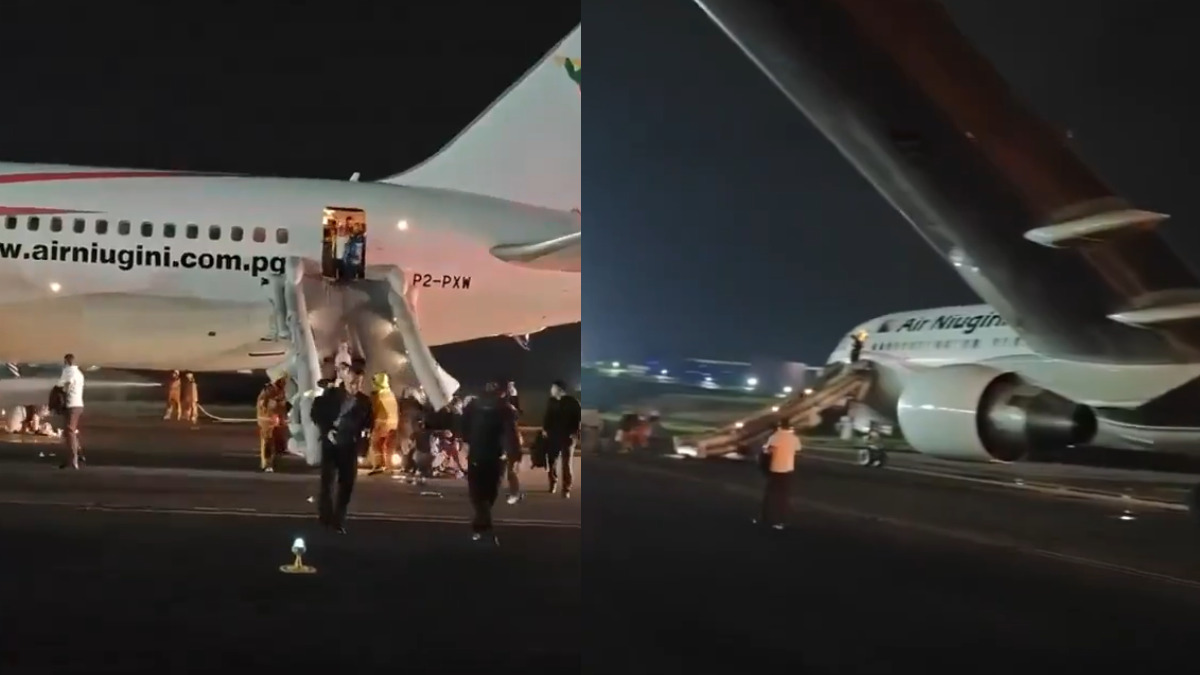
The flight crew immediately started emergency procedures and took precautionary measures to ensure the safety of everyone onboard (the aircraft was flying as flight PX019). When the warning was detected, pilots shut down the affected engine, then secured it before deciding to divert the aircraft to Davao (137 passengers and nine crew were on board, a total of 146 people). After landing, all 146 people 137 passengers and nine crew members were evacuated safely. There are no injuries reported, and the airline has confirmed the incident.
The plane was flying from Hong Kong to Port Moresby (Papua New Guinea’s capital) when the right-engine fire warning sounded. Engine fire warnings are serious in aviation because they can be a sign of an actual fire or something else potentially dangerous that needs attention immediately.
Flight crews know what to do with such alerts by following emergency checklists and procedures. In this case, pilots shut down the affected engine and secured it before diverting the plane. A destination change was made as a precaution: the aircraft could not land at a suitable airport if the continued journey was not changed.
Davao was chosen as the diversion destination because they could land in the Philippines instead of continuing to Port Moresby. When an emergency diversion is made, pilots consider several factors: condition of aircraft, nature of warning, airports available, weather conditions and distance to a safe landing place.
The crew diverting the Boeing 767 showed that safety procedures need to be followed when a potentially serious technical problem occurs on an aircraft. Technical inspections would have to be done to find out exactly what caused the engine fire warning and if there was actually a fire or not.
Passengers and crew were evacuated using emergency slides after landing. All 137 passengers and nine crew members were evacuated (making the total on board 146). Emergency evacuation slides are used to get passengers off an aircraft quickly if normal exits or boarding stairs can’t be used or rapid evacuation is required (usually when flight crew think remaining in the aircraft could be unsafe).
#BREAKING: AIR NIUGINI BOEING 767 DIVERTED TO DAVAO AFTER ENGINE FIRE WARNING An Air Niugini Boeing 767 operating flight PX019 from Hong Kong to Port Moresby was diverted to Davao, Philippines, after the aircraft's right engine triggered a fire warning early this morning. The crew promptly shut down and secured the affected engine before diverting the aircraft as a precaution. All 137 passengers and 9 crew members safely evacuated using emergency slides. No injuries have been reported. The airline has confirmed the incident. All 146 people on board are safe. #AirNiugini #AviationNews #AircraftEmergency #Davao
— upuknews (@upuknews1) November 21, 2026
Passengers had to leave their belongings behind and follow cabin crew instructions during evacuation. Thankfully, all passengers and crew were reported safe, with no injuries reported.
The incident also shows how pilots and cabin crew are vital to in-flight emergencies. Commercial aircraft have warning systems that alert pilots to abnormal conditions with engines and other important systems. If a fire warning appears, the crew must respond immediately because an engine fire, if confirmed, could be a safety risk for flight.
Shutting down the affected engine is one of the emergency responses (depending on circumstances and aircraft procedures). Modern commercial aircraft such as the Boeing 767 can operate safely under certain engine-out conditions so pilots can divert and land when necessary, but the crew must monitor the aircraft carefully throughout the process and follow relevant emergency checklists at all times.
Air Niugini has confirmed the incident, but the immediate priority is the safety and well-being of everyone involved. The technical condition of the aircraft, what caused the warning and why emergency evacuation took place would all need to be investigated as part of the subsequent investigation.
Aviation maintenance specialists will inspect the affected engine and systems before it can be cleared for further operation. Passengers travelling on the affected route may also see operational changes depending on airline arrangements.
The safe evacuation of all 146 people is good news after what could have been a serious aviation emergency. No one was injured, but it reminds us once again why airlines and flight crews follow strict emergency procedures whenever an engine warning occurs: shutting down the affected engine, diverting the flight and evacuating passengers were done with safety as the first priority. We will know more about what caused the warning and what happened to the aircraft afterwards when details are released.




Comments