
Mysuru, once one of India’s cleanest cities has missed the national top three positions in Swachh Survekshan 2025-26 awards announced on November 11, 2026. The results have reignited discussions about cleanliness standards in Mysuru, waste management and performance of Mysuru City Corporation (MCC).
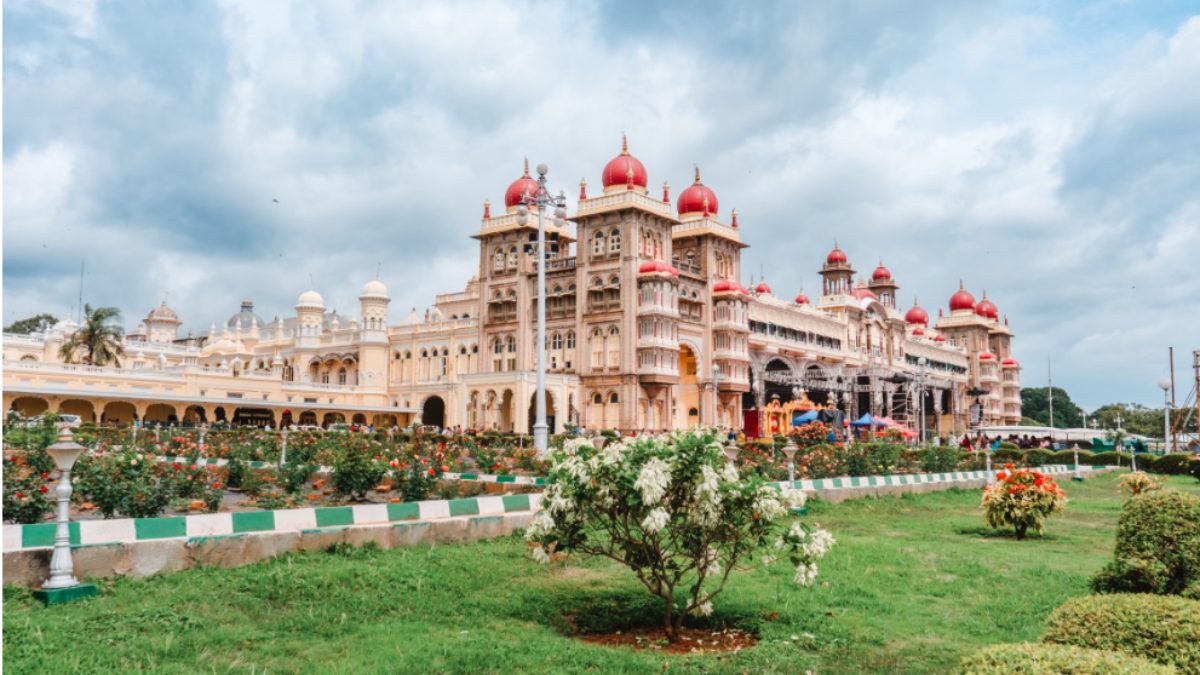
The news has been picked up on social media where people have questioned the city’s position in the national cleanliness survey and called for more accountability from civic authorities.
An X post by Voice of Mysuru criticised the Mysuru City Corporation and its officials for the city’s performance. It said decline was a matter of concern and requested the corporation, health department and district administration to take corrective action.
However Mysuru did get a state-level recognition in the latest awards. It was named Karnataka’s ‘Promising Swachh Shehar’ for its work on urban cleanliness and sanitation.
This result is all the more significant because Mysuru had previously won national recognition for its cleanliness performance — being India’s cleanest city in the first editions of Swachh Survekshan.
Mysuru Misses National Top Three in Latest Cleanliness Survey
The Ministry of Housing and Urban Affairs announced the Swachh Survekshan 2025-26 awards at a function held at Vigyan Bhavan in New Delhi on November 11.
Several award categories were introduced in the latest edition such as Super Swachh League, population based city rankings, Swachh River Front Towns, Swachh Coastal Towns and Clean Himalayan Cities.
In Super Swachh League category Navi Mumbai, Surat and Vijayawada were at top three positions.
Mysuru was not among the national top-three awardees in the latest results but Promising Swachh Shehar recognition at Karnataka state level.
In a report in Vijay Karnataka, Mysuru City Corporation Commissioner M.K Savita said the city did not figure among first three places in national award categories but the civic body would work harder in coming years to improve performance.
The recognition was also given to pourakarmikas and sanitation workers who work for cleanliness of city.
From India's Cleanest City to Its Recent Ranking Challenges
Mysuru has a long history of being recognized for urban cleanliness.
The city was declared India's cleanest city in Swachh Survekshan 2015 and 2016 editions. The performance helped build a national reputation for sanitation, waste management and civic participation.
But the city’s position changed later as the national cleanliness assessment developed.
In the 2023 survey Mysuru fell drastically from its previous position. Reports published in January 2024 put it at 27th nationally (other reports said 23rd depending on which ranking category and assessment is being referred to).
In the 2024-25 edition Mysuru made a comeback by coming third in the category of cities with populations between three lakh and 10 lakh. It was also placed in Super Swachh League which is a special classification introduced for consistently high performers.
The latest result therefore is a blow to the city’s attempt to maintain its national standing.
Swachh Survekshan’s award categories and assessment framework have changed over time so rankings from different editions cannot always be compared directly without population categories and revised evaluation system.
What Is the Promising Swachh Shehar Recognition?
Mysuru missed the national top three but state recognition is another acknowledgement of its cleaning efforts.
The Promising Swachh Shehar recognition recognizes cities that have made efforts towards sanitation and urban cleanliness.
Mysuru’s recognition is also for the work sanitation workers (pourakarmikas) do essential day-to-day cleaning operations.
The contribution of these workers is especially significant because urban cleanliness depends not only on infrastructure and municipal policies but also on consistent implementation at the ground level.
However, state recognition doesn’t mean we don’t need to evaluate the city’s performance on waste collection, segregation, disposal and maintenance of public spaces.
Why is Mysuru’s cleanliness performance under the scanner?
The results of the last few days have once again brought to the fore the problems faced by Mysuru’s civic administration.
Urban cleanliness depends on several interconnected services (door-to-door collection of waste, segregation of household waste, scientific processing, sanitation infrastructure and roads/public spaces maintenance).
One problem that has persisted for Mysuru is legacy waste management.
A lot of waste had built up over time at Vidyaranyapuram sewage farm and needed to be remediated. In an earlier report by The Times of India Mysuru City Corporation had been clearing nearly seven lakh tonnes of legacy waste spread across 22 acres of land.
Biomining and bioremediation are used to separate plastic, organic waste, metals and soil from each other.
The issue shows how much waste-management infrastructure is needed even in cities that score well on cleanliness surveys.
Plastic waste management has also been problematic. A proposed project to install plastic bottle recycling machines at several public locations reportedly ran into financial problems before wider implementation could take place.
These issues show that cleanliness needs to be an ongoing investment (not just campaigns), good planning and monitoring (not just once a year) as well.
Social Media Users Demand Accountability From Mysuru City Corporation
The latest survey results have led to criticism from residents and social media users who say the city needs stronger civic management.
In the post shared by Voice of Mysuru, the user asked whether Mysuru City Corporation and its officials are responsible for this decline in the city’s reputation. The city’s performance is not better than what it used to be earlier.
The post also tagged the corporation’s official account, its health office and Mysuru district administration asking them to take note.
The post was strong language against civic officials but the corruption allegations were not backed up with evidence in the material shared. So these claims should be treated as opinion by the author rather than fact.
Nevertheless, the larger issue of public cleanliness and municipal services remains.
Residents expect civic authorities to collect garbage regularly, prevent illegal dumping of waste, segregate waste properly and maintain public spaces.
What Needs to Improve for Mysuru?
This performance gives the Mysuru City Corporation an opportunity to look into its sanitation systems and areas which need improvement.
Some important priorities include:
- Strengthening waste segregation: Households and commercial establishments need to segregate wet, dry and hazardous waste properly. Better segregation can improve recycling and reduce the amount of waste going to dumping sites.
- Improving waste processing: Scientific processing facilities, composting infrastructure and recycling systems are needed to reduce burden on landfills.
- Clear legacy waste: Remediation of accumulated waste and prevention of fresh dumping will be important for long-term environmental management.
- Monitoring public spaces: Roadways, markets, residential areas and public facilities can all be inspected regularly to identify sanitation problems before they become large scale issues.
- Better accountability: Clear reporting on garbage collection, waste processing, complaint resolution and municipal performance can give residents an idea of whether civic services are improving.
Citizen participation will also be needed. People must segregate waste properly, not litter and report sanitation problems through civic channels.
Mysuru's Clean City Reputation Faces a Fresh Test
Mysuru’s latest Swachh Survekshan result reminds us that clean city status doesn’t just happen earlier national recognition set high expectations but maintaining it requires good municipal services, infrastructure and public participation.
The Promising Swachh Shehar award gives some hope (sanitation workers and civic staff who do daily cleanliness work) but missing the national top-three positions provides the corporation an opportunity to reflect on what is wrong with it.
For a city that once set the standard for urban cleanliness, the bigger challenge isn’t getting back to the top of the ranking list. It’s making sure residents have cleaner streets, better waste management and reliable civic services year round.

Comments