
Prime Minister Narendra Modi has once again pitched for his government’s ambitious target of turning India into a developed nation by 2047 (100 years of independence). Speaking at the Deepawali Milan Samaroh held at BJP headquarters in New Delhi, he said India no longer dreams of becoming a developed country without a deadline.
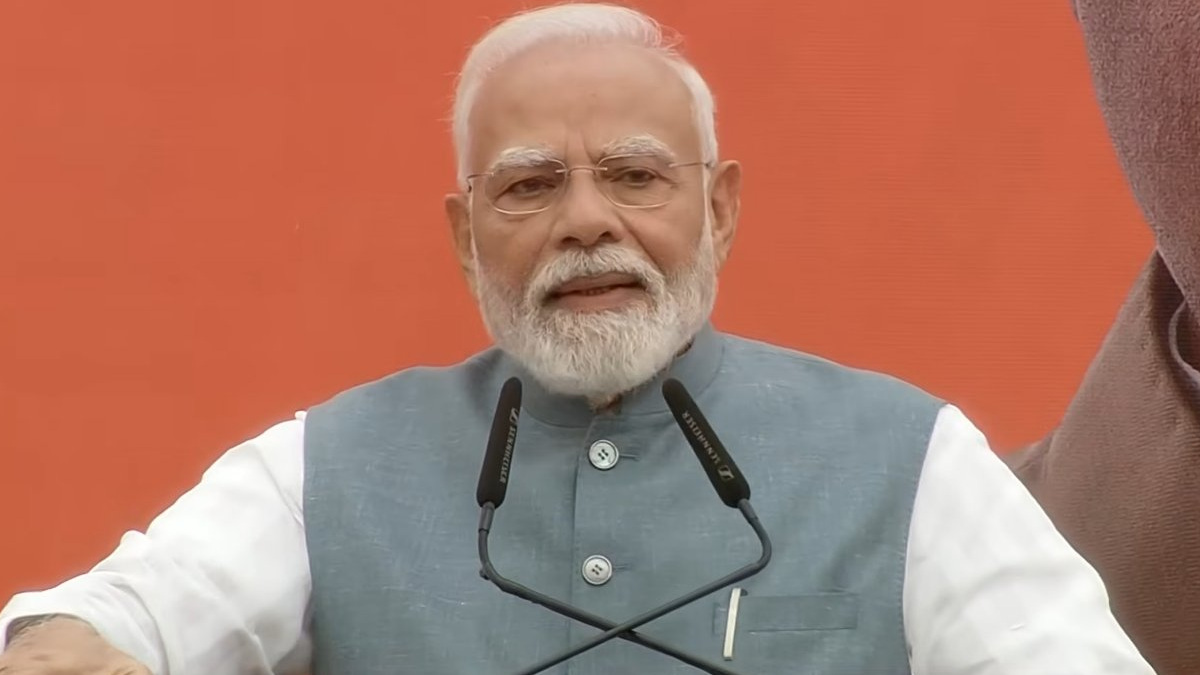
Now the nation has a deadline of 2047, and every citizen must contribute towards it. People from all sections of society should work together so that India reaches this milestone before completing 100 years of independence.
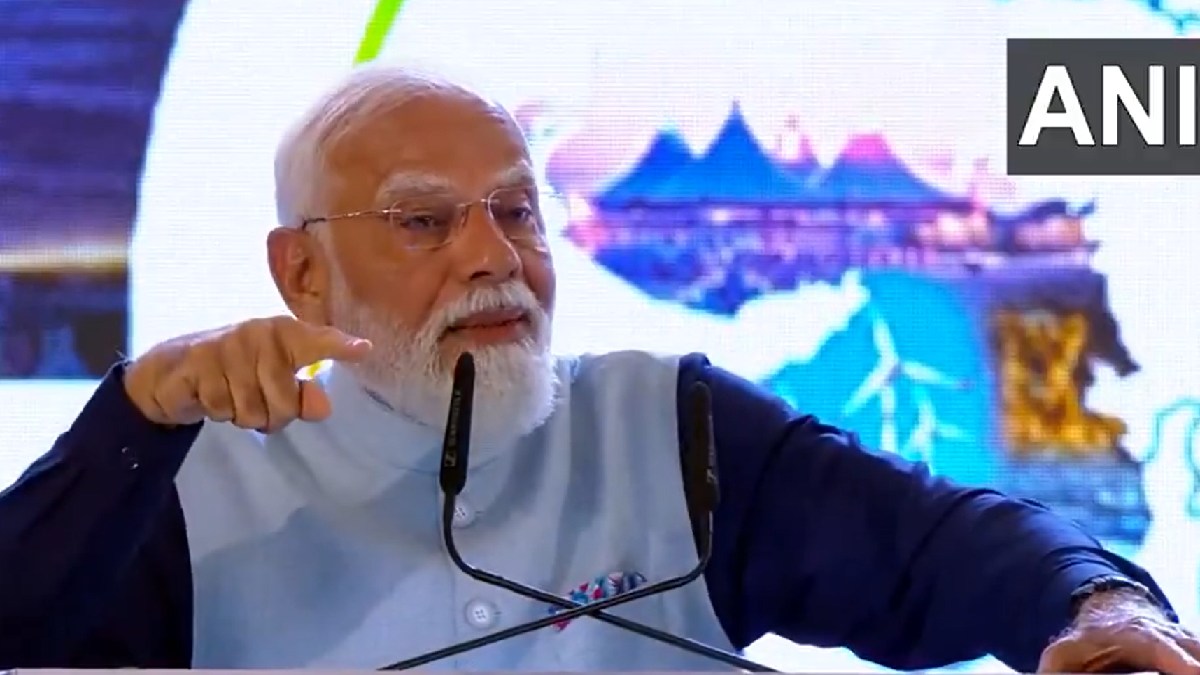
Modi said the vision of a developed India (‘Viksit Bharat 2047’ as it is popularly known) has been part of the country’s aspirations since independence, but now it has a target year of 2047, so citizens should work faster towards it. “Today our country also works towards a deadline.

That deadline is 2047. The dream of making our country developed has been with us since independence, but now this dream has a date: 2047. So we have to work together to make India a developed nation before we complete 100 years of independence,” he said. He emphasised collective responsibility, national development and long-term planning for achieving economic and technological ambitions of the country.
Modi was confident that India could achieve the target and gave several examples of what the country had accomplished in recent years: “India’s progress in science and technology is evident from the Chandrayaan-3 mission, which made us the first country to soft-land near the south polar region of the Moon; we have grown into an electronics manufacturing industry globally and become the second-largest mobile phone manufacturer in the world”. These achievements, Modi said, show that India has technological capability and can emerge as a major global economic and industrial power.
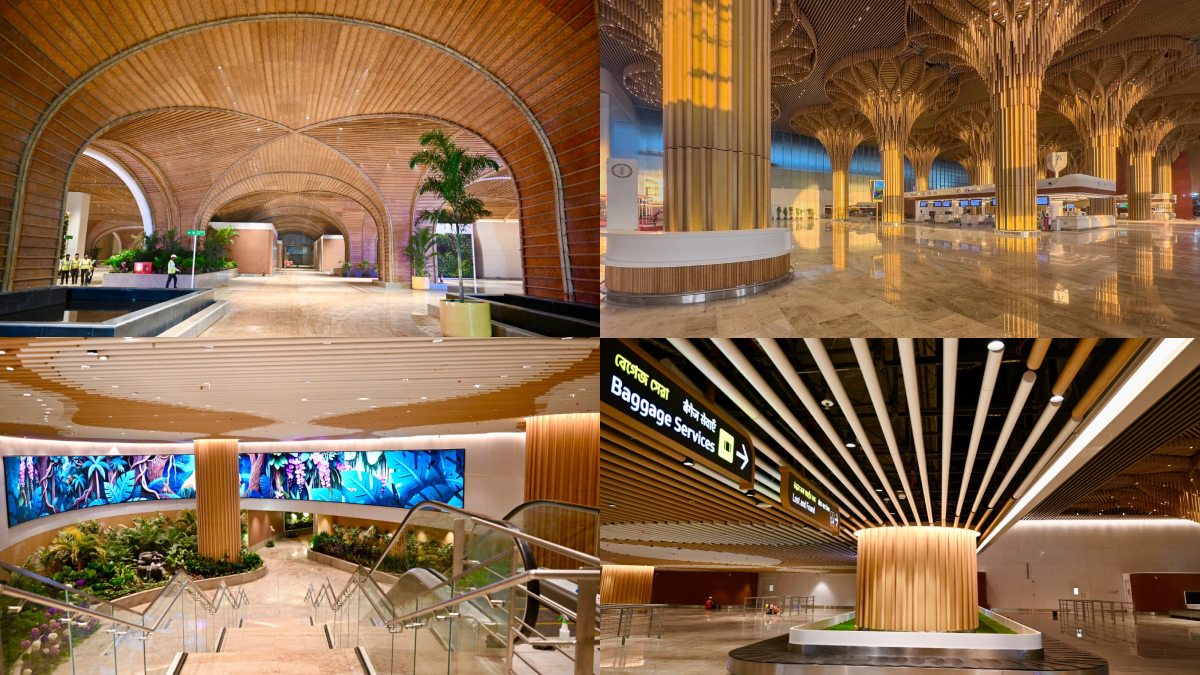
Modi also spoke of the development of India’s infrastructure (Chenab Rail Bridge in Jammu and Kashmir is the world’s highest railway arch bridge, an engineering achievement; it strengthens railway connectivity in a difficult Himalayan region). He pointed to the expansion of the renewable energy sector in India (solar power generation capacity increased more than 50 times over the last 12 years).
Prime Minister also talked about the growing startup ecosystem in India (the third-largest startup ecosystem in the world). All these developments, he said, show progress made by India across infrastructure, clean energy, innovation and entrepreneurship.
At the Deepawali Milan gathering, PM Modi also spoke about how journalists and media professionals helped India develop. He thanked members of the media for coming to the festive event despite their hectic schedules during the Deepawali season, as journalists inform citizens and highlight developments across the country.
He said responsibilities of people change when they move into different professions. Comparing his public life with that of media professionals, he said that after entering government, his responsibilities had changed, but when media professionals move from reporting jobs to editorial leadership roles, responsibilities change.
Modi looked back on his political and administrative journey. October marked 25 years since he first became the head of a government (Chief Minister of Gujarat) in 2001. He also talked about how media communication has changed over the last two and a half decades, from press releases and conventional media interactions to Instagram reels and social media content today. Technology has changed political communication, public engagement and information sharing.
The Prime Minister’s 2047 vision is linked to India’s centenary of independence and envisages the country among the world’s leading developed economies. To achieve that ambition, progress in education, healthcare, infrastructure, manufacturing, employment generation, technology innovation and environmental sustainability will have to be sustained.
The government has cited several achievements as evidence of India’s development potential, but the bigger challenge will be whether economic growth creates opportunities and improves living standards for different sections of society. Modi’s latest appeal at Deepawali Milan Samaroh reiterates his message that Viksit Bharat cannot be achieved by the government alone; citizens, institutions, businesses, and communities across the country need to participate in it.

Comments