
Delhi is preparing for a major transformation of the Yamuna riverbanks and the government is preparing a 52-kilometre riverfront, inspired by Ahmedabad’s popular Sabarmati Riverfront in Gujarat, to be built as part of this development.
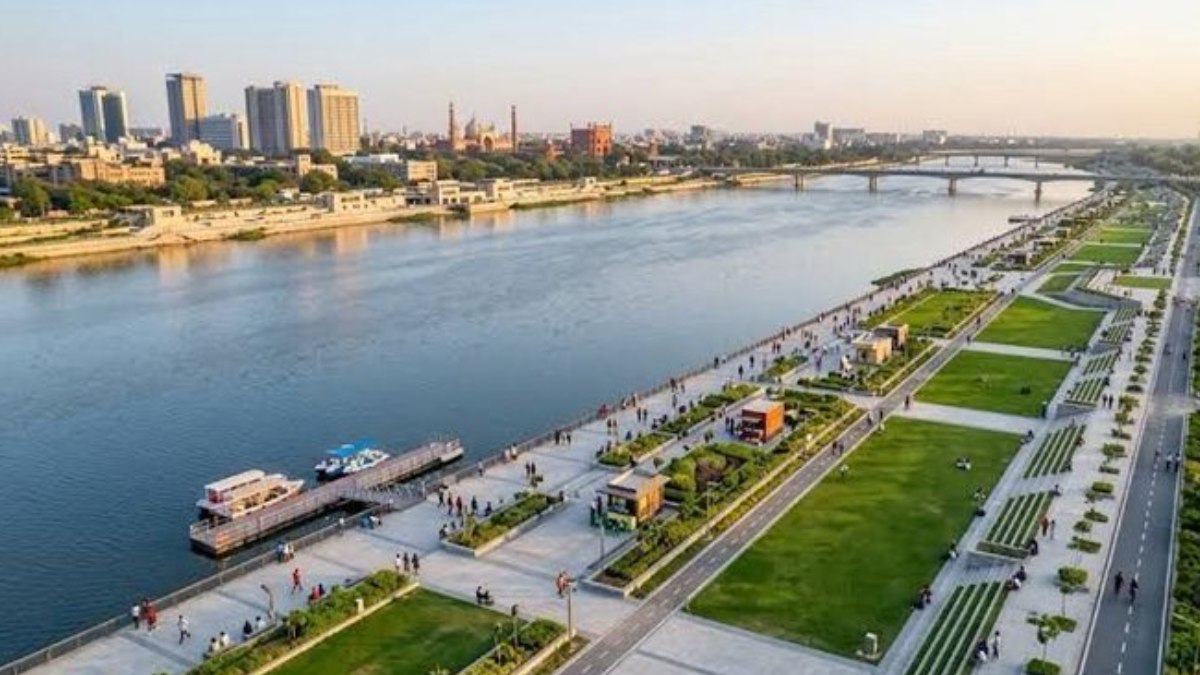
The project aims to transform the Yamuna into a public space of walking paths, cycling tracks, parks, sports grounds and recreational facilities for riverbanks to be accessible to the public and has the potential to change the way people of Delhi interact with the river and help in reducing pollution in the Yamuna for the city.
Delhi’s 52-km Yamuna Riverfront Project: What Is the Plan?
According to reports published on October 20 and 21, 2026, the Delhi government has begun the process of signing a memorandum of understanding (MoU) with the Sabarmati Riverfront Development Corporation Limited (SRFDCL) and is working towards this through the planning, infrastructure and implementation practices used in Ahmedabad, with suitable aspects being put in place to meet the capital’s needs. The government is also engaging consultants for the development.
The Delhi Water Minister Parvesh Verma had stated that the project will be implemented in two phases with Wazirabad as the dividing point. The first phase will cover the stretch from Palla to Wazirabad and the second phase shall extend from Wazirabad to Kalindi Kunj, near Okhla barrage. The first phase is expected to be a model for the larger development and the government will be able to analyze the strategy before expanding the project across the rest of this stretch.
Walking tracks, cycling routes and green public spaces
The proposed riverfront is expected to provide space for all kinds of facilities for Delhi residents. There are walking tracks for morning and evening walks, cycling routes, sports fields, green spaces and recreational areas (to name a few) and even swimming pools planned for the riverfront. These facilities could give residents more opportunities for outdoor exercise, relaxation and community activities.
At present, many parts of the Yamuna’s banks remain difficult to access or threatened by environmental and infrastructure issues. A well-planned public space could allow people to access suitable sections of the river and create new places for families, fitness lovers and visitors. The final design of the project will establish which of these facilities will be distributed and how they will work with the surrounding communities.
The proposed development is not just about creating attractive riverbanks; the state of the river itself is going to be the key to the long-term success. A visually appealing waterfront cannot have its full environmental and public health benefits if untreated sewage and other pollutants continue to pour into the Yamuna.
Yamuna Cleaning and Sewage Treatment Are Critical
Pollution remains one of the biggest challenges facing the river in Delhi. This 22-kilometre long stretch between Wazirabad and Okhla barrages has been a major focus of pollution control efforts. If the proposed riverfront is to become a sustainable public destination, we need to improve water quality.
The Delhi government has said 28 of 37 sewage treatment plants have been upgraded in the last 18 months. It is also moving to add higher capacities of sewage treatment plants to the city to reach 250 million gallons of water per day. These measures aim at dealing with sewage generated in the city and reducing the amount of untreated wastewater entering the river.
The government has said that visible improvements in Yamuna’s condition can be expected to be seen in the next few years. But meaningful progress will only be possible if treatment facilities, sewage interception, pollution control, and control of illegal discharges are well done. Water quality must be maintained alongside the development of public infrastructure.
Can Delhi Recreate Ahmedabad’s Sabarmati Riverfront?
The Sabarmati Riverfront in Ahmedabad will be the model to be studied by Delhi for the proposed project. It has become a leading urban public space with promenades and recreational areas and better access to the river. Delhi officials have visited the Ahmedabad riverfront to understand the planning and implementation of these and the difficulties encountered during the development of the project.
However, replicating the model will require adapting it to the Yamuna’s ecological and hydrological conditions. The Yamuna’s floodplains are key environmental elements and construction must take into account seasonal flooding, river flow, biodiversity and flood management. As detailed plans are developed, environmental safeguards and regulatory approvals will be of great importance.
Public access and the protection of sensitive riverbank areas will also be at stake for the project. Open planning, suitable drainage systems and long-term maintenance plans could help to determine whether the riverfront remains useful and environmentally responsible after its development.
What happens next in your Project Timeline?
The government has said it wishes to get some progress on the first phase during this time. A final schedule for the entire 52-kilometre project, along with a budget and detailed construction plan, has not been established yet in the reports announcing the latest proposal.
The immediate steps are to develop the MoU with SRFDCL, hire consultants and design the development framework. More details about design, financing, approvals and construction would come out as the project develops.
🚨 Delhi is planning to develop a 52-Km Yamuna Riverfront project similar to Sabarmati riverfront in Gujarat. https://t.co/AxdSX8Bn45
— Indian Tech & Infra (@IndianTechGuide) October 22, 2026
If done properly, the Yamuna Riverfront Project could reshape parts of Delhi by creating new recreational spaces while supporting the overall goal of river rejuvenation. It will be far more than parks and promenades: continuous improvement of water quality, environmental protection and public access is also critical to turning the proposal into a lasting urban change.
The bottom line: Delhi’s 52-kilometre Yamuna Riverfront project will bring new parks and walking and cycling tracks and sports facilities based on Ahmedabad’s Sabarmati model. But the ultimate test will be whether the city can put attractive public spaces alongside meaningful, lasting improvements to the Yamuna’s health.



Comments
Leave a Comment