
Delhi’s new winter pollution-control measures led to traffic jams on the city’s borders on November 1 as officials stepped up vehicle checks to curb deteriorating air quality. On the first day of enforcement, officials turned back 1,539 vehicles; checked nearly 15,000 vehicles and collected penalties and environmental compensation totalling ₹68.4 lakh.
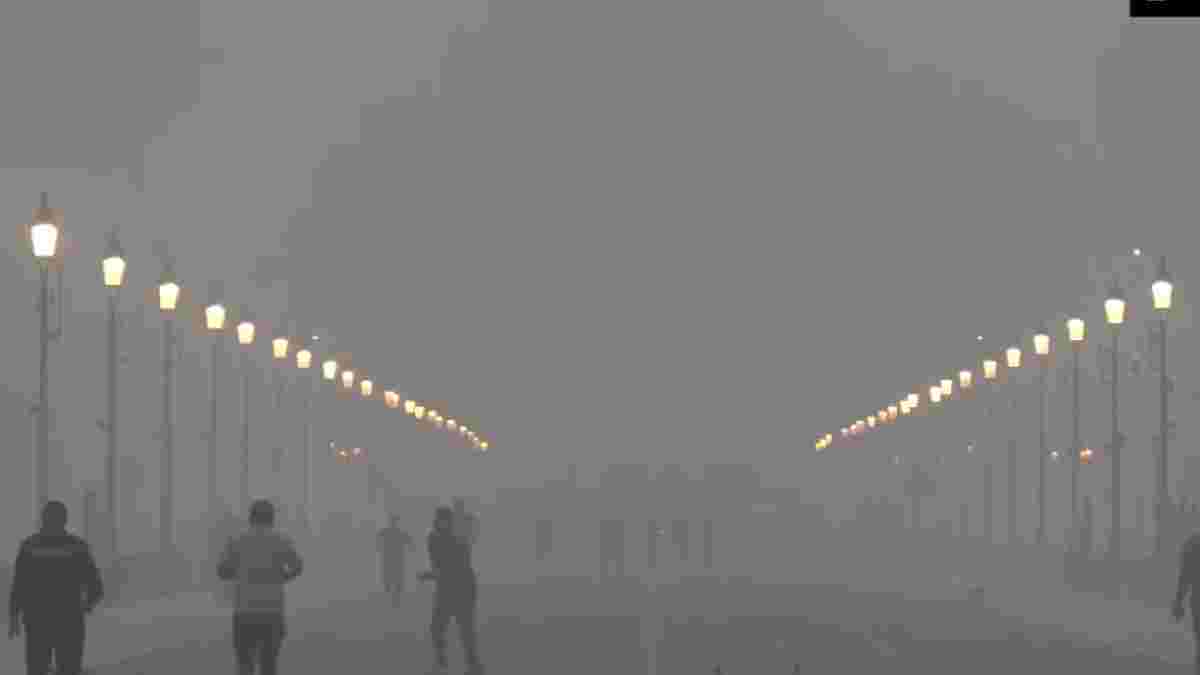
The restrictions were imposed as Delhi’s AQI stood at 261 — poor. It was the worst reading so far this season and the highest in 198 days.
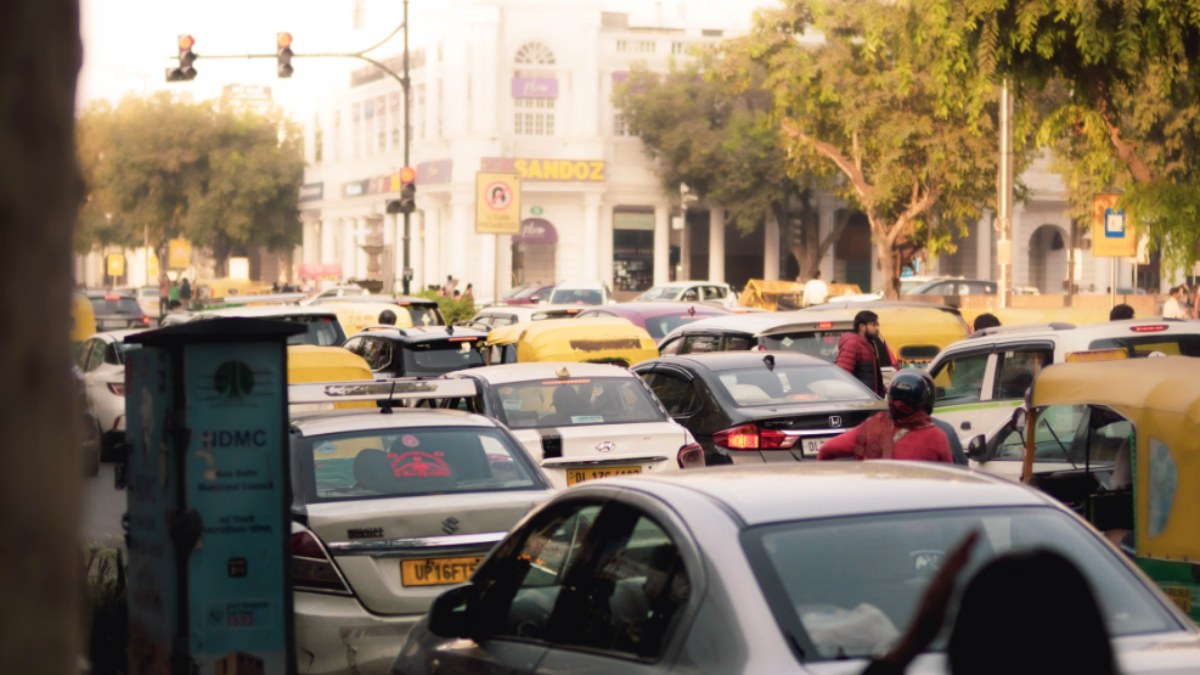
Long queues were reported at several entry points (Delhi-Gurugram and Delhi-Noida borders). Commuters were delayed as enforcement teams checked vehicle registration details and emission standards before letting them into the national capital.
Over 1,500 Vehicles Turned Back in First-Day Drive
Officials said till 5 pm on November 1 Delhi police checked 14,930 vehicles under restrictions on non-Delhi registered vehicles not meeting BS-VI emission norms.
A total of 1,539 vehicles were turned back (about 10.31 per cent of the checked vehicles). Challans amounting to ₹2 lakh were also issued by police and 62 vehicles impounded for violations of vehicle entry restrictions.
Different types of vehicles were turned back in the enforcement drive. 140 light motor vehicles, 54 light commercial vehicles, 95 heavy goods vehicles and 34 buses were turned back.
Officials also checked 1,423 two-wheelers, three-wheelers and other vehicles of which 789 were turned back and 38 impounded.
Separately they checked 7,279 non-destination vehicles and turned back 314 of them these were vehicles which did not have Delhi as their final destination and were expected to use alternate routes.
CNG vehicles, electric vehicles and vehicles engaged in essential services were exempted from the restrictions. A total of 740 such vehicles were verified and allowed to enter the city.
₹68.4 Lakh in Penalties Imposed
The first day’s enforcement action resulted in penalties and environmental compensation of ₹68.4 lakh.
A major chunk of this was due to violations under Pollution Under Control Certificates (PUCC). Challans were issued against 566 vehicles running without valid pollution certificates and fine was ₹56.6 lakh.
Delhi Traffic Police issued 493 challans worth ₹49.3 lakh and Transport Department issued 73 challans worth ₹7.3 lakh.
Another ₹9.8 lakh environmental compensation was imposed for non-compliance with dust control requirements at construction and demolition sites.
The figures show that enforcement was not just vehicle entry restrictions; authorities were also targeting vehicles without valid pollution certificates and construction activities causing dust pollution.
300 Construction Sites Inspected
Delhi authorities also inspected 300 construction and demolition sites as part of the winter pollution-control drive.
Violations were found at 32 sites and environmental compensation of ₹9.8 lakh was imposed. The inspections covered 91 large sites (plots more than 500 sq m) and 209 smaller sites.
Of the larger sites, 16 were found to be violating dust-control norms. Two closure directions and four show-cause notices were issued by authorities along with an environment compensation of ₹4 lakh.
At smaller sites 17 violations were found. Officials issued 15 closure directions and 15 show-cause notices and imposed compensation of ₹5.8 lakh.
In total, 17 closure directions and 19 show-cause notices were issued across the inspected sites.
Delhi AQI Reaches 261 as Traffic Congestion Increases
The new curbs came into force as air quality worsened across the capital.
Delhi had an AQI of 261 on November 1 which meant the city was in poor category. Out of the 57 monitoring stations, 22 recorded very poor air quality and 21 poor air quality; 14 were moderate.
Jahangirpuri had the highest AQI of 378 (approaching severe category start at 401). PM2.5 was still the main pollutant.
The worsening air quality coincided with traffic congestion at several border points. Long queues were seen near municipal toll booths and other major entry routes (Delhi-Gurugram and Delhi-Noida borders).
The Air Quality Early Warning System said Delhi’s AQI could remain in the poor category from November 2 to 3 and then between poor and very poor over the next few days.
What Are Delhi’s New Winter Pollution Restrictions?
The Delhi government has taken several measures under its Winter Action Plan to control pollution in winter months.
One of the major restrictions is that non-Delhi registered vehicles (BS-VI emission norms) cannot be allowed entry into the city until January 31, 2027.
Other measures include:
- Construction ban: Dust-generating demolition and outdoor civil construction activities are prohibited from November 1 to January 31 except for those for essential public infrastructure projects.
- Construction and demolition ban: A broader ban (exemptions apply) will remain in place from December 10 to January 20.
- Higher parking charges: Parking fees at authorised parking lots across Delhi have been doubled till February 28.
- Work-from-home measures: Government and private offices have been told to reduce physical attendance to 50 per cent between November 1 and January 31 (the rest of the workforce work from home); essential and emergency services are exempt.
- Pollution certificate checks: Vehicles must have valid Pollution Under Control Certificates to meet requirements.
These measures are intended to reduce vehicular emissions, construction dust and other sources of pollution during the winter season.
More Traffic Disruptions Expected as Enforcement Intensifies
The first day of enforcement showed how difficult it is to enforce vehicle restrictions across Delhi’s busy entry points.
Enforcement teams have been put at major borders and toll plazas and checks are being done to see if vehicles do not meet the prescribed requirements.
Delhi government will continue to check compliance as more people return to work during the week. Traffic police personnel said enforcement could be stepped up and delays at major entry points for people travelling into the capital would be a concern.
AQI levels are still in the poor range and forecasts show pollution will continue so we’ll be watching to see how well winter restrictions work.
The challenge for authorities will be to enforce these measures consistently while controlling traffic movement and minimising disruption for commuters travelling between Delhi and neighbouring NCR cities.




Comments