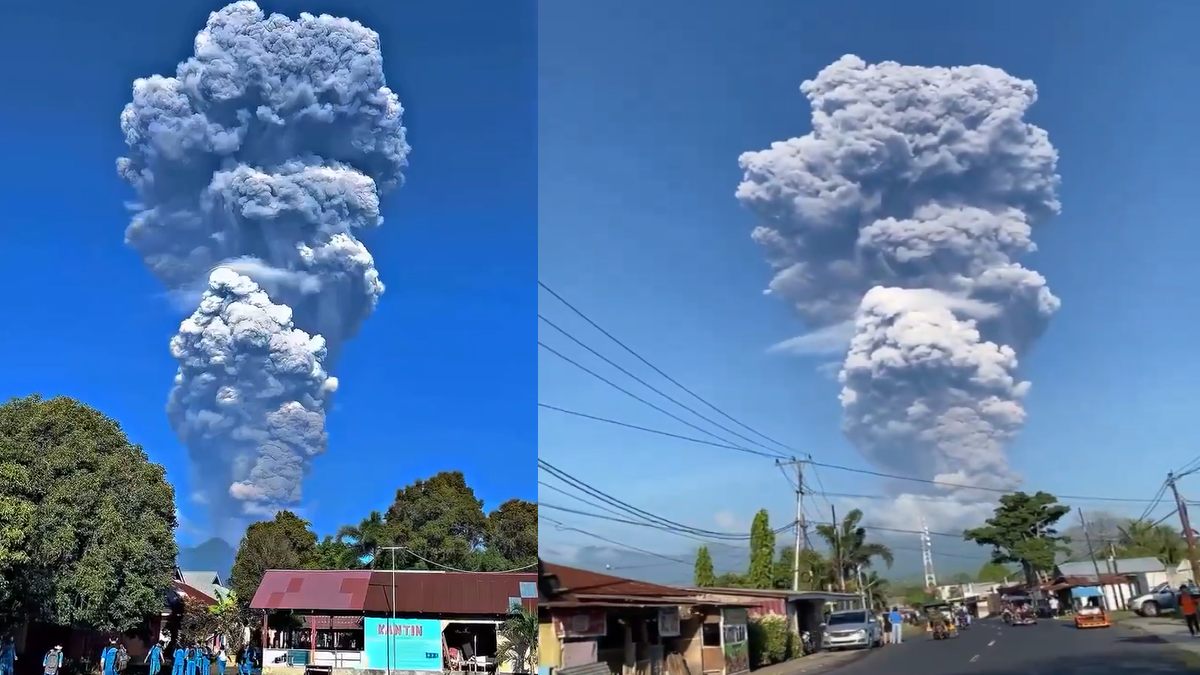
A powerful 6.2 magnitude earthquake struck Indonesia's Halmahera region today and sent waves of shaking through parts of eastern Indonesia and raised alarms among coastal and island communities. The earthquake occurred in one of the world’s most seismically active zones, where earthquakes and volcanic activity are common because tectonic plates that move under the region are so seismically active.
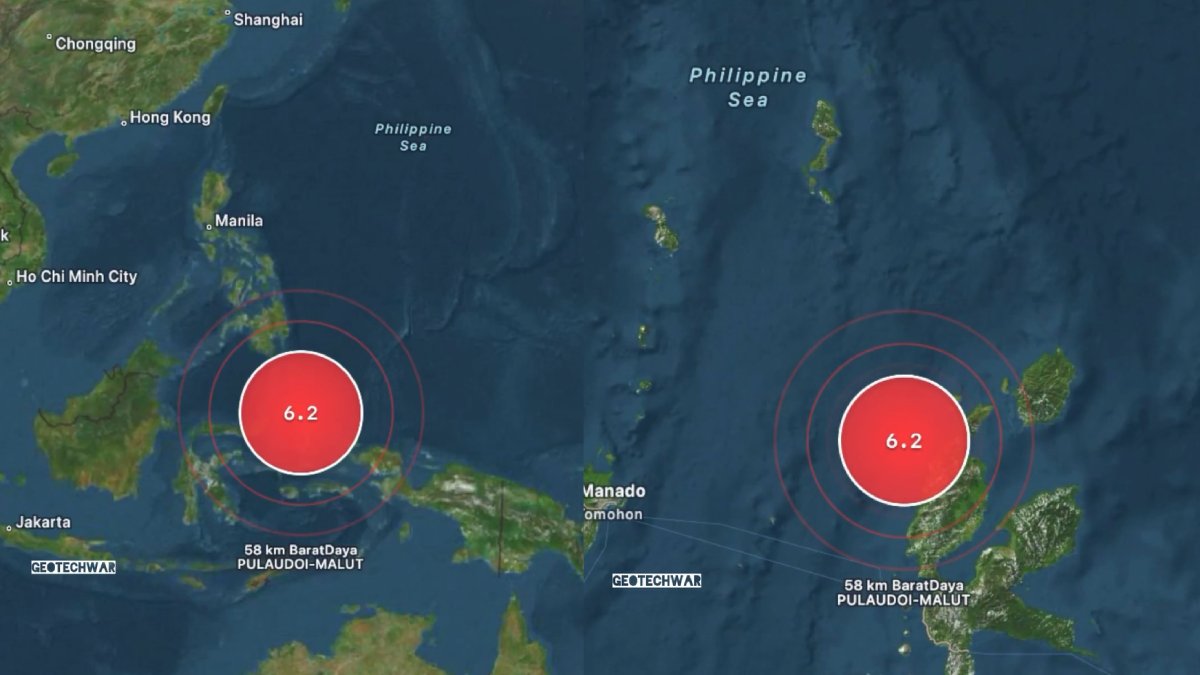
According to early seismic data, the earthquake occurred near Halmahera Island in North Maluku Province. Residents of several areas felt the earthquake, and many have moved outside in preparation for it. Emergency response agencies were quick to assess what the earthquake might have done on the ground and monitor for aftershocks.
No widespread damage, casualties, or injuries were suspected at the time of the earthquake. Some officials said no major tsunami threat had been found after the earthquake, and no tsunami threat had been identified in the aftermath of the earthquake. But local disaster management agencies warned residents to be alert and follow the official advice as the assessment proceeded.
Indonesia is often hit by earthquakes because it lies along the Pacific Ring of Fire, an area where multiple tectonic plates collide. It is a seismically prone country and is prone to volcanic eruptions and occasional tsunamis. Every year, thousands of earthquakes are recorded throughout Indonesia, but they are relatively small.
Several earthquakes are experienced in the Halmahera region as well. Because it stands at the base of active fault systems and subduction zones, the area is regularly monitored by Indonesian and international seismic agencies. Many earthquakes in this region do not result in catastrophic damage, but strong tremors can still threaten infrastructure, homes, and coastal communities.

Residents described sudden shaking that lasted several seconds. In some areas, people evacuated buildings and gathered in open spaces until the tremors subsided. Public buildings, transportation infrastructure, and utility networks were checked for safety by local authorities.
Disaster management officials also warned residents about earthquake preparedness measures like identifying safe evacuation routes, having emergency supplies available, and staying informed through official communication channels. And in a country where earthquakes can happen suddenly and without warning, those precautions are essential.
Seismologists are still studying data from the earthquake to get a better sense of the extent of its depth, location, and its impact. Aftershocks are common after earthquakes of this magnitude, and authorities have advised that communities should be cautious in the coming days.
The latest earthquake is another reminder of Indonesia’s ongoing exposure to natural hazards. Although there are no immediate reports of major damage, officials stress that vigilance is needed until the full assessment is done.
Emergency response teams are still on standby, and monitoring is ongoing throughout the affected region. The public will be provided with information as soon as the earthquake's effects and any subsequent seismic activity are known, the authorities said.