Some Air India pilots have given non-negative results in preliminary drug screening tests to the airline, adding to the airline’s ongoing aviation safety issues. These results are preliminary, and confirmatory laboratory tests are needed before any conclusion can be drawn about the presence of a prohibited substance.
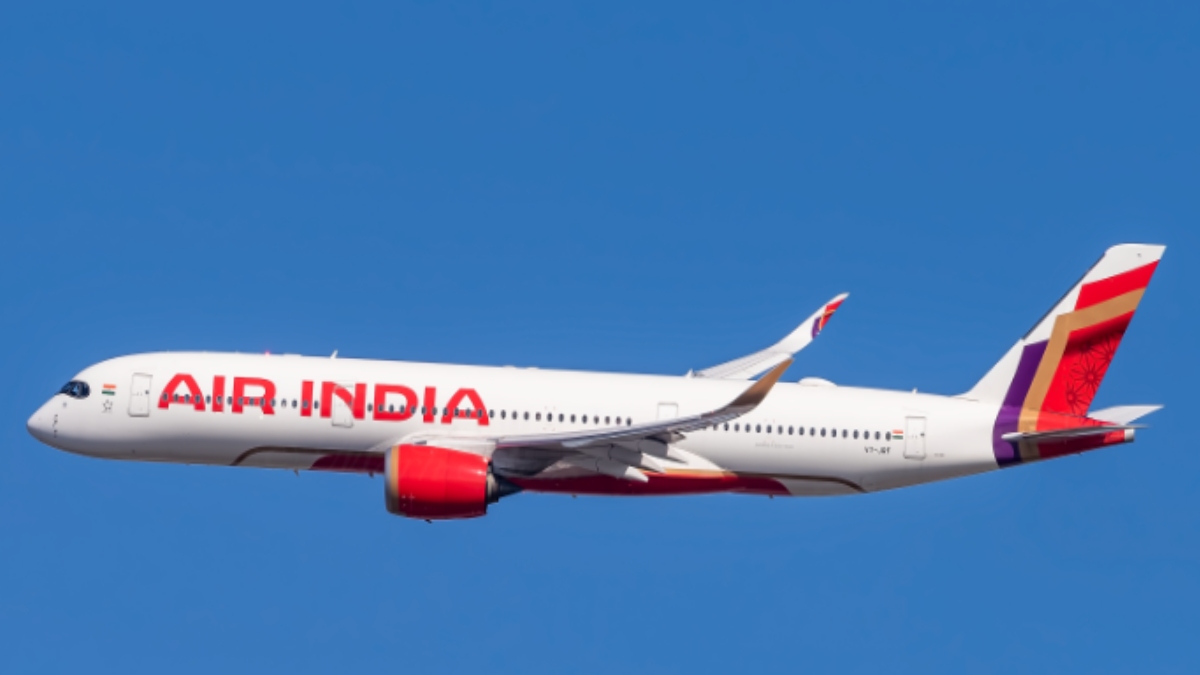
The development comes when pilot fitness and safety are at a premium for a plane flight from Phuket to Delhi following an incident in which a passenger aircraft went down very fast and people on board were injured. The incident is under investigation by the Aircraft Accident Investigation Bureau (AAIB).
It is important to note that a preliminary "non-negative" result does not mean that a pilot has tested clean. The initial screening is to detect a possible presence of specified substances. A confirmatory laboratory test is necessary to confirm whether a substance was actually detected and, if yes, what substance was involved.
Why is the preliminary drug test important?
Drug and psychoactive-substance testing is a crucial aspect of aviation safety because pilots operate in a very safety-sensitive environment. Any substance that affects alertness, judgement, reaction time or coordination can potentially pose serious risks during flight operations.
As per the aviation safety framework in India, flight crew members are tested for psychoactive substances. Testing can take place randomly but also after some safety-related incidents. Screening is generally done as a first-line test followed by confirmatory laboratory analysis if the test result is non-negative.
In this case, the preliminary findings for the two pilots are being handled cautiously because the confirmatory results are still awaited. The two pilots have been removed from flying duties until the investigation and testing is completed.
Connection to the Phuket-Delhi Flight Incident
The drug screening has received particular attention because it is just after the incident of Air India flight AI2379 on 4 August. The Airbus A320 was going from Phuket to Delhi when it suddenly lost altitude of about 300 feet.
The plane was carrying 137 passengers and eight crew members. Twenty passengers and four cabin crew members were injured in the incident. The AAIB classified the incident as a serious incident and launched an investigation into the circumstances.
Both pilots were required to undergo psychoactive-substance screening after the aircraft landed in Delhi. In previous reports, the pilot-in-command's initial screening was "non-negative", and the sample was sent for confirmatory testing.
In the following report, the confirmatory test of the pilot-in-command was positive for marijuana. But the authorities are still investigating the broader circumstances of the flight itself, including technical and human factors.
Confirmatory Testing Is Crucial
A preliminary screening result should not be viewed as a final diagnosis or confirmed positive result. Some medications and other substances can produce an initial non-negative result, which is why confirmatory laboratory testing is necessary.
According to information on India's aviation drug-testing framework, a confirmatory positive result can trigger further medical review to determine whether the substance detected has a legitimate medical explanation or represents prohibited drug use.
This distinction is particularly important for pilots because a violation of a clear rule is very significant in terms of the consequences—removal from flying duties and regulatory action could be taken at the end of the day and/or suspension.
Air India is now under increased safety scrutiny
Air India will be more under pressure at present due to several high-profile incidents, the airline told ET Now last night.
After the Phuket-Delhi incident, Air India announced a greater substance-screening exercise for its pilot workforce. The expanded testing programme will strengthen safety checks and give further assurance of the health of its flight crew.
The incident has also raised broader questions of how aviation authorities and airlines can detect prohibited substances before a pilot operates a flight. Experts and aviation commentators have argued for random testing, post-incident testing, medical oversight and pre-flight safeguards in addition to a pre-flight safety check in place.
Investigation Continues
The AAIB is looking at several aspects of the Phuket-Delhi incident, not just the drug-screening findings. Investigators are reviewing technical records, aircraft systems, flight-data information, maintenance records, medical records and statements from people involved.
Airbus and France's Bureau of Enquiry and Analysis for Civil Aviation Safety (BEA) are also helping with technical aspects of the investigation. Among the technical issues being addressed are possible hydraulic and flight-control issues.
The AAIB also warned the media and public not to draw conclusions from incomplete or selectively available information while the investigation is still in progress.
For now, the preliminary drug-screening results of the two Air India pilots are under confirmatory testing and further investigation. The final laboratory data and the AAIB’s broader investigation will be essential in determining what happened and if any additional safety precautions are necessary.
Note: The difference between a preliminary "non-negative" screening and a confirmed positive result is important. The article above uses cautious wording because preliminary screening alone does not establish drug use. The pilot-in-command has also been reported later to have said that the positive result was confirmed.