
A natural disaster struck Afghanistan again as flash floods inundated parts of the country and killed at least 20 people and left more than 100 others missing, sending hundreds of families fleeing.
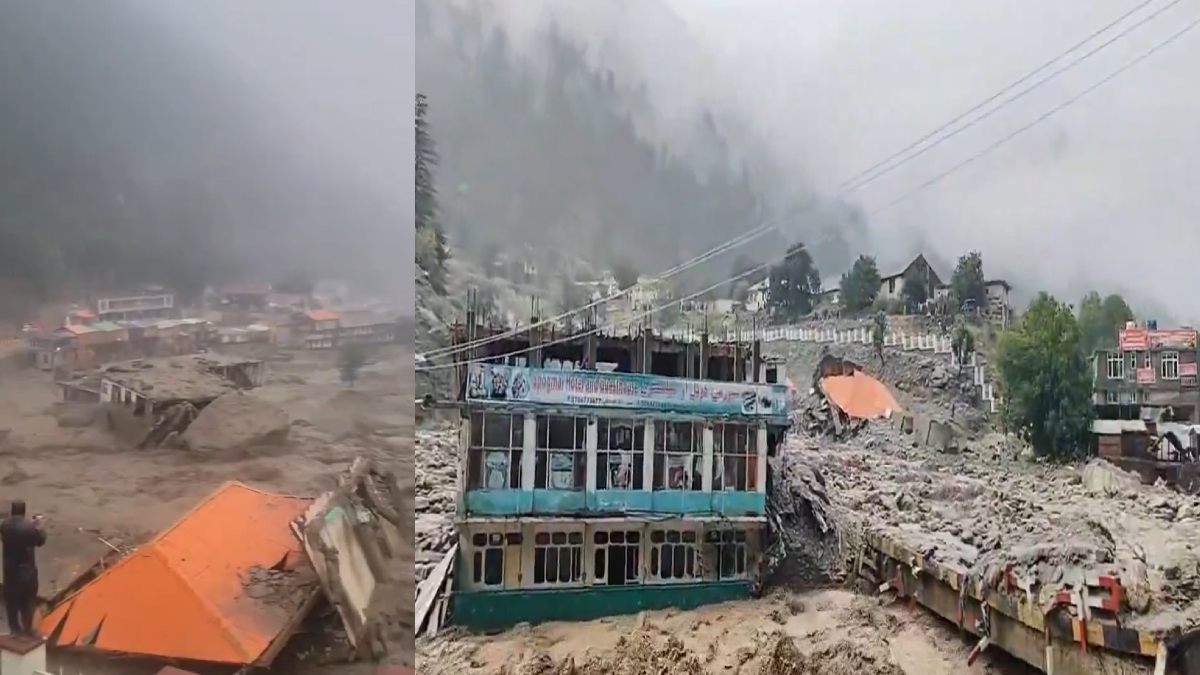
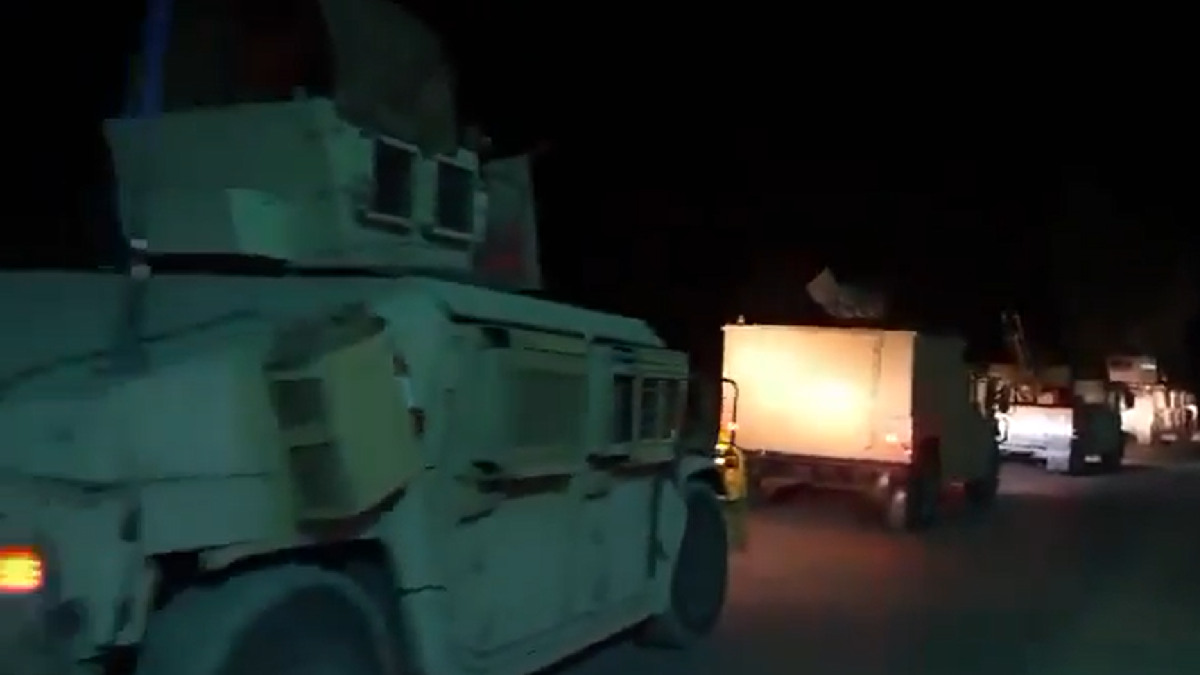
Local authorities and emergency response personnel say days of torrential rainfall triggered sudden flooding that swept through villages and towns so quickly and with little warning to many residents, catching many residents unprepared. Roads, bridges, and agricultural land were destroyed, and communication systems were disrupted in some regions, making rescue efforts more difficult.
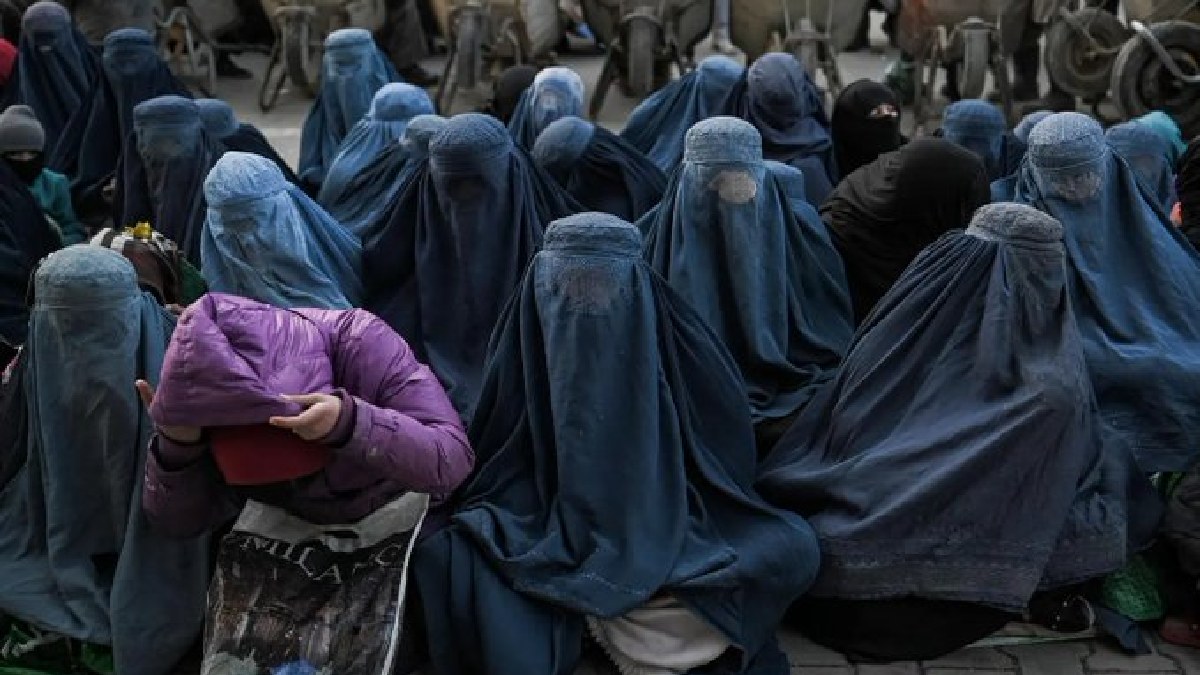
The floods have added to the humanitarian complications Afghanistan is currently facing as millions of people are suffering from poverty, food insecurity, and lack of disaster relief resources.
Why does Afghanistan experience severe flash floods?
While Afghanistan is most often associated with droughts and arid conditions, the country is also a prime area for flash floods. Several geographical and environmental factors contribute to these disasters.
1. Mountainous terrain
Much of Afghanistan is surrounded by rugged mountain ranges like the Hindu Kush. Water flows downhill quickly in narrow valleys and river channels during heavy rainfall. This sets off flash floods that can develop within hours, leaving little time for evacuation.
2. Intense rainfall events
Afghanistan frequently experiences short-duration but extremely intense rainfall, especially during the summer months. A torrent of rain in a few hours can overwhelm the ground and lead to sudden flooding when large volumes of rain fall within a short period.

3. Climate change impact
Climate experts have warned repeatedly that climate change is increasing the frequency and intensity of extreme weather events worldwide. Afghanistan has gone through a series of prolonged droughts followed by heavy rains. Dry and hardened soil struggles to absorb water effectively, increasing runoff and the risk of floods.
4. Deforestation and land degradation
Years of deforestation, overgrazing, and environmental degradation have reduced the land's natural ability to absorb rainwater. Trees and vegetation normally help slow water flow and stabilise soil. Their absence allows floodwaters to move faster and with greater force.
5. Weak infrastructure
Most communities lack adequate flood defenses, drainage systems, and early-warning mechanisms. Poor infrastructure means that even moderate flooding can quickly escalate into a major disaster, especially in remote rural areas.
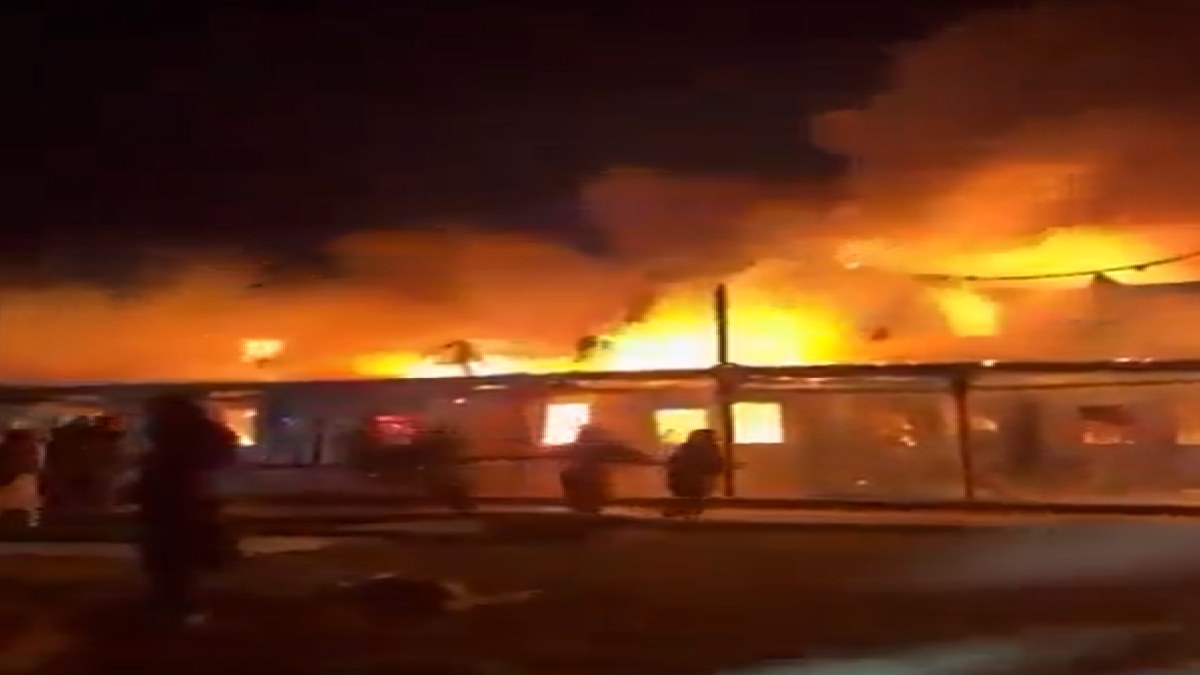
‼️ There has been destruction due to flooding in eastern Afghanistan. After a heatwave in Parun, Nuristan, rains and torrential downpours have turned into floods.
— Regional insight (@Regional_Asia) July 20, 2026
Remember, whenever a natural disaster strikes in Afghanistan, rescue facilities are almost non-existent.
The… pic.twitter.com/ZU3cH7ffwC
Humanitarian Concerns Grow
Rescue teams continue searching for missing individuals amid difficult conditions. Authorities fear the death toll could rise as more affected areas become accessible. Many survivors have lost their homes, livestock, and crops, threatening their livelihoods in the months ahead.
Humanitarian organizations have called for urgent assistance, including food supplies, temporary shelter, clean drinking water, and medical support. Floodwaters often increase the risk of disease outbreaks, making rapid relief efforts crucial.
A short while ago, authorities confirmed that at least 20 people have been killed, 80 injured, and many more remain missing following the devastating floods that struck today in Nuristan, Afghanistan. pic.twitter.com/0I0H2IoYQT
— Weather Monitor (@WeatherMonitors) July 20, 2026
A Growing Pattern of Extreme Weather
Afghanistan has suffered multiple deadly floods over recent years, highlighting the country's increasing vulnerability to extreme weather. Experts say improved weather forecasting, stronger infrastructure, watershed management, and reforestation efforts will be essential to reducing future risks.
As rescue operations continue, the latest tragedy serves as a stark reminder of how climate-related disasters are becoming more frequent and destructive across vulnerable regions of the world. For many Afghan families, recovery will take months, if not years, as they rebuild their lives after yet another devastating natural calamity.








Comments
Leave a Comment