AI is transforming industries worldwide, but it is also creating an extraordinary demand for electricity.
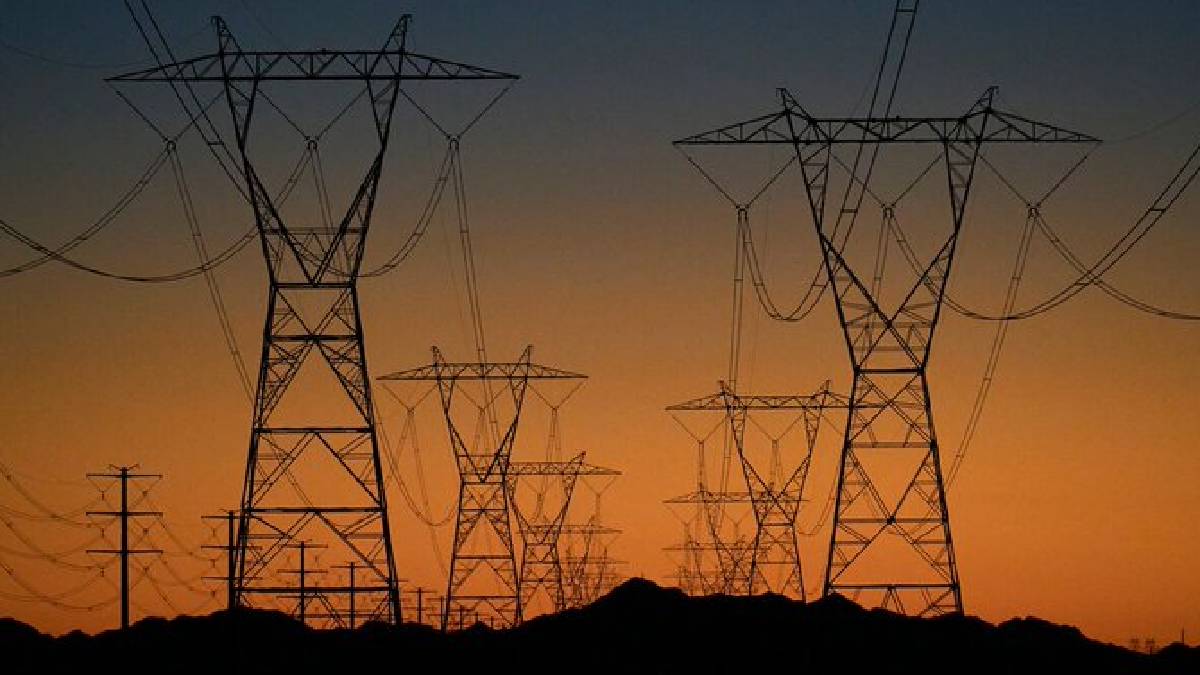
AI-powered data centres could consume as much as one-fifth of the United States’ total electricity supply by 2035, a major threat to the country’s energy infrastructure, according to a new report.
The report suggests that explosive growth of generative AI, machine learning, cloud computing and large-scale digital services is significantly increasing the need for powerful computing facilities.
These facilities are data centres that house thousands of high-performance servers that require enormous amounts of electricity not only to process data but also to maintain cooling systems that prevent overheating.
AI models are increasingly complex, requiring far more computing power than traditional software applications, according to experts. Training advanced AI systems involves processing trillions of data points over long periods, and everyday AI services are still demanding large amounts of computational resources after deployment.
As technology companies race to develop AI capabilities, many of them are investing billions of dollars in new data centres in the U.S. Technology companies like Microsoft, Google, Amazon, Meta, and OpenAI partners are rapidly expanding their computing infrastructure to support next-generation AI products and cloud services.
Such investments are expected to drive innovation and economic growth, but they raise concerns about the nation’s power grid. AI infrastructure will generate electricity demand much more quickly than expected, and this will put more demand on utilities to produce enough power to maintain grid stability.
Energy analysts warn that in some regions, supply shortages may be expected without serious investments in the energy sector from electricity generation and transmission to renewable energy projects. Utilities will need to expand power plants, upgrade transmission lines, and install new energy storage systems to meet the anticipated surge in demand.
Environmental impact is also another important concern. Technology companies have been promising to be carbon neutral through investment in renewable energy sources, but critics say growth in AI may be faster than the availability of clean energy. It could temporarily rely on natural gas or other fossil fuels to provide electricity.
Industry leaders recognize this challenge and are looking at energy-efficient AI chips, liquid cooling technology, state-of-the-art server designs, and direct investment in renewable power projects. Some are even looking at nuclear energy partnerships for reliable and carbon-free electricity for future data centres.
Government agencies and policymakers are going to play a crucial role in infrastructure improvement, renewable energy deployment, and policy development that balances technological advancement with sustainability goals.
Given concerns about energy consumption, analysts think AI is still going to be one of the fastest-growing industries in the world in the next decade.
But this technological revolution will be sustained in the future if it is powered by reliable and sustainable energy to remain profitable and responsible.
The report serves as a reminder that while artificial intelligence might offer great promise in the future, its success will depend on how well energy systems can keep up with the increasing demand.