A significant advance in diabetes research in the U.S. has been made in the restoration of pancreatic beta cells that produce insulin and are also responsible for diabetes metabolism, a discovery that has been celebrated in the scientific and medical community as a step toward therapies that could ultimately help people restore the body’s natural control over blood sugar.
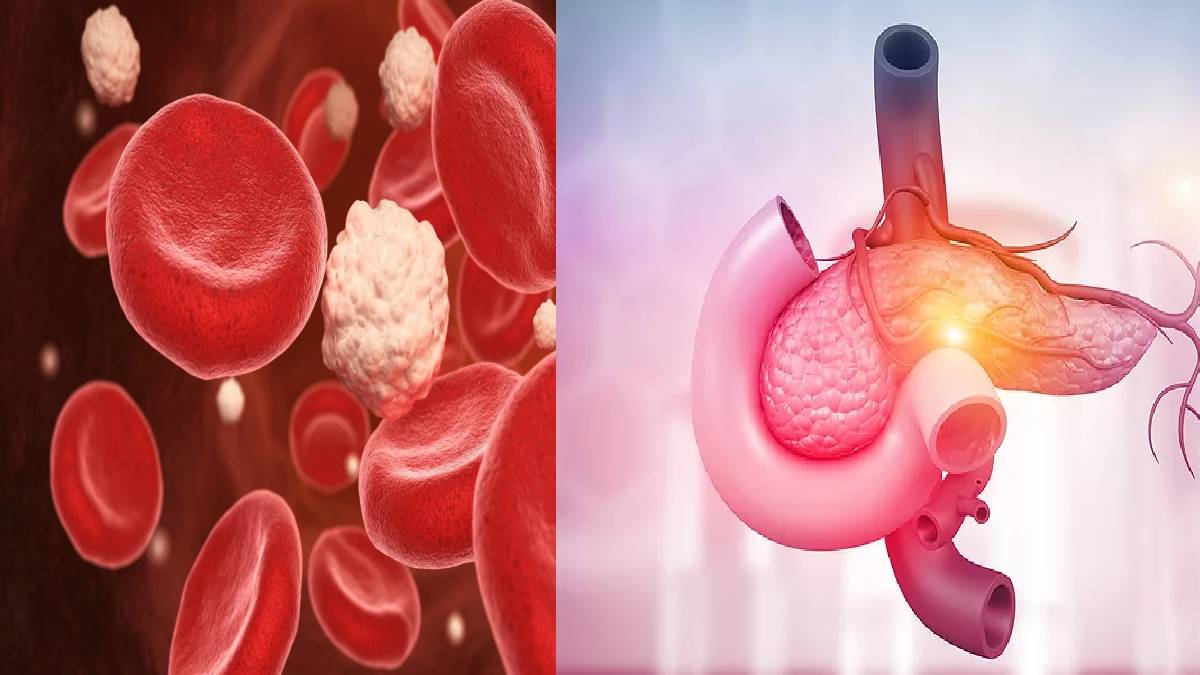
Pancreatic beta cells play a vital role in maintaining healthy glucose levels by releasing insulin, a hormone that causes glucose to flow and move from the blood into the body’s cells for energy. In type 1 diabetes, the immune system attacks and destroys these cells, and the body is unable to produce enough insulin. In type 2 diabetes, beta cells are often dysfunctional or even die over time, resulting in bad blood sugar control.
JUST IN 🚨: American Scientists Restored Pancreatic Beta Cells that Naturally Produce Insulin and Cured Diabetes Completely. pic.twitter.com/Krl7SLlXOR
— Night Sky Today (@NightSkyToday) July 14, 2026
These insulin-producing cells are now restored or regrown in the latest research rather than simply injected or pumped. Scientists hope that if we can restore the capacity of the body to produce insulin, more effective long-term treatments may be possible and fewer people may require lifelong insulin therapy.
Based on laboratory studies, damaged pancreatic beta cells could be restored to their ability to produce and release insulin under controlled conditions, according to the authors. The restored cells responded well to changes in blood glucose levels, indicating they were functioning as healthy beta cells.
This is a major achievement in the field of regenerative medicine, which is all about repairing damaged tissues and organs by restoring their natural function. Progress in stem cell biology, gene therapy, cellular reprogramming, and tissue engineering has dramatically increased diabetes research progress in the last decade and brought scientists closer to therapies that address the underlying causes of the disease rather than just treating symptoms.
However, researchers say the research is still in the experimental stage. Laboratory results or early-stage studies are no guarantee that treatment will be safe and effective for patients. Any new therapy must undergo big clinical trials to evaluate its safety and effectiveness, dosage, and long-term effects before being widely available.
It is also important to recognize that diabetes is not one disease. Type 1 diabetes is an autoimmune response that kills beta cells. Research and clinical studies must also work to prevent the immune system from attacking them again if new beta cells are restored. Type 2 diabetes also has various complications like insulin resistance and metabolic dysfunction; future treatments may need to integrate beta-cell restoration with therapies to improve the body’s response to insulin.
Medical experts are careful not to call it a cure at this point. Although restoring beta-cell function may be a breakthrough in science, further research is needed before the treatment can be tested to see if it is durable and long-lasting for people living with diabetes.
However, the study shows the pace of innovation in diabetes research. Scientists are working on stem cell-derived islet cells, immune-modulating therapies, gene-editing technologies, and regenerative strategies to maintain or restore insulin production. Several of these strategies are already being tested in clinical trials.
If further studies are conducted to show promising results, beta-cell restoration may change diabetes care and how it can be treated to lower complications, control blood sugar, and improve life for millions of people worldwide. The work in this area is still being done, and we believe it is on the way to the eventual treatment of diabetes as a disease, not just as symptoms of diabetes.