A renewed debate over representation in the higher judiciary has emerged after political leader Chandrashekhar asked for reservation in the Supreme Court and High Courts for candidates belonging to the Scheduled Castes, Scheduled Tribes and Other Backward Classes.
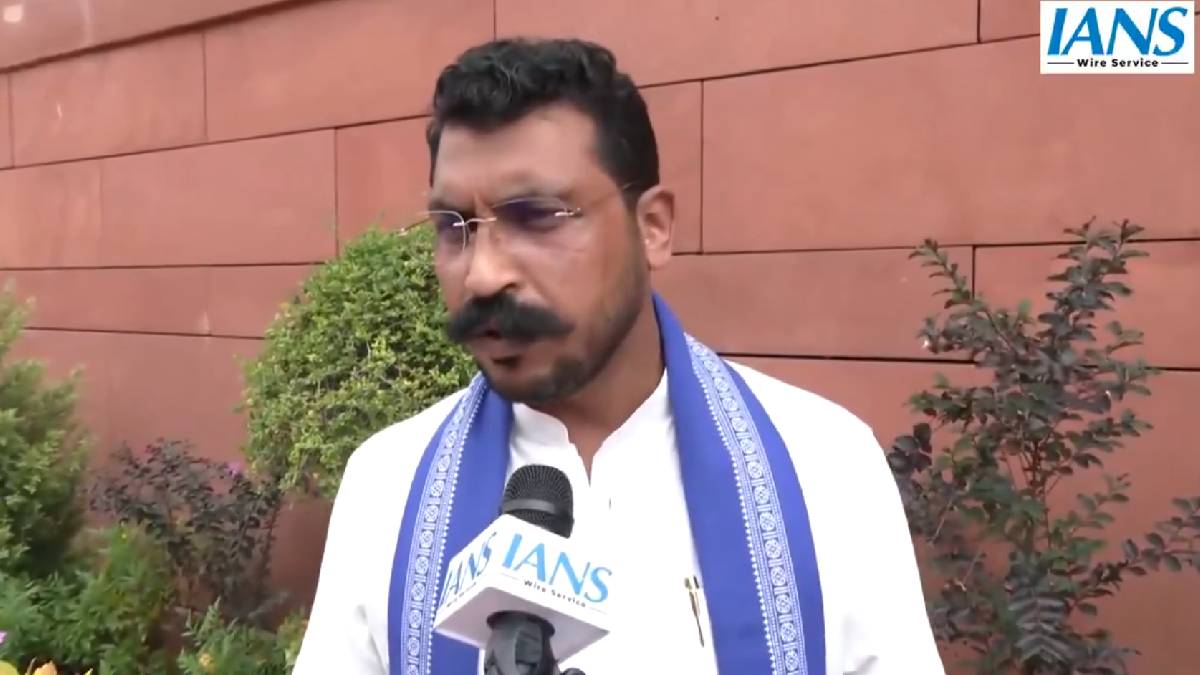
When Chandrashekhar questioned the lack of representation of historically marginalized communities in the higher judiciary, he pointed out that SC, ST and OBC candidates are not qualified to become judges of the Supreme Court and High Courts.
🚨 BREAKING! Chandrashekhar demands RESERVATION in "higher judiciary" also 🤯
— The Analyzer (News Updates🗞️) (@Indian_Analyzer) August 3, 2026
🗣️"Are SC, ST, and OBC candidates not capable of becoming judges of the Supreme Court and High Courts?" pic.twitter.com/pimwGYbNjy
“Are SC, ST and OBC candidates not capable of becoming judges of the Supreme Court and High Courts?” he asked.
The statement has brought the long-standing debate over social representation in India’s judicial institutions and the process of appointing judges to the Supreme Court and High Courts to the fore once more into focus.
Chandrashekhar’s demand is based on the idea that the higher judiciary should reflect the social diversity of the country. In favor of reservation in judicial appointments, it has been argued that more representation would make the judiciary more inclusive and improve public confidence in institutions.
The demand also raises questions about whether our judicial appointment system is providing a sufficient number of opportunities for qualified candidates from SC, ST and OBC communities.
At present, there is no constitutionally mandated reservation system for appointments to the Supreme Court and High Courts similar to the reservation policies followed in government employment and educational institutions.
Judges of the Supreme Court and High Courts are appointed under the constitutional framework. The appointment process is based on recommendations of the judiciary and formal appointments by the President.
The Supreme Court Collegium is at the heart of selecting judges and transfers of judges. The Collegium system has long been a subject of debate, with supporters arguing that it protects judicial independence and critics arguing for greater transparency and accountability.
In the years that followed, political leaders, legal scholars and social-justice groups have brought up the issue of the diversity of judges.
Advocates of the higher judiciary should have judges from all social, regional and economic backgrounds. They say a more diverse judiciary will bring the broadest range of experience and perspectives to the interpretation of laws and rights of the Constitution.
Reservation supporters also point out that social representation is already seen as the key aim in many of the public policy areas in India. They argue that the judiciary, as a key constitutional institution, should also reflect the diversity of Indian society.
But in the higher judiciary, opponents of reservation have expressed concerns about how this would work within the existing constitutional framework. They say judicial appointments should be more based on legal competence, professional experience, integrity and judicial fit.
Some legal experts have argued that a debate shouldn’t necessarily be about merit and representation. They argue that qualified candidates from diverse backgrounds are available and that greater inclusion can be pursued while maintaining high standards for judicial appointments.
Chandrashekhar’s question directly challenges the assumption that the limited representation of SC, ST and OBC communities is linked to a shortage of qualified candidates.
His statement suggests that the issue is not capability but access and representation in the judicial appointment process.
The demand is likely to provoke political debate when reservation is still one of the most critical and sensitive issues in Indian public life.
Chandrashekhar’s supporters might say formal reservation is needed to correct historical underrepresentation. They may also argue for greater transparency in the social backgrounds of judges and candidates for higher judicial appointments.
Others may advocate changes to the current appointment system in terms of broader criteria for selecting candidates, more diverse recommendations and better transparency of the selection process.
The issue might also spark a new discussion on re-examining the role of Parliament, the executive and the judiciary in changing the appointment process.
Any proposal to introduce reservation in the Supreme Court and High Courts would require careful examination of constitutional provisions, judicial independence and the existing system of appointments.
The Supreme Court and High Courts are very important in respect of constitutional rights, interpretation of laws and review of government actions. The composition of those institutions is therefore a matter of public interest.
Chandrashekhar’s demand has brought the issue of social representation in the higher judiciary back into the national political discussion.
The debate will continue whether reservation is the right way to do so, whether changes should be made through legislation or constitutional amendment, and how diversity can be enhanced while preserving judicial independence.
For now, Chandrashekhar’s comments have raised a bigger question about whether the country’s highest courts effectively reflect India’s social diversity and if qualified candidates from SC, ST and OBC communities are given sufficient opportunities to serve as judges.