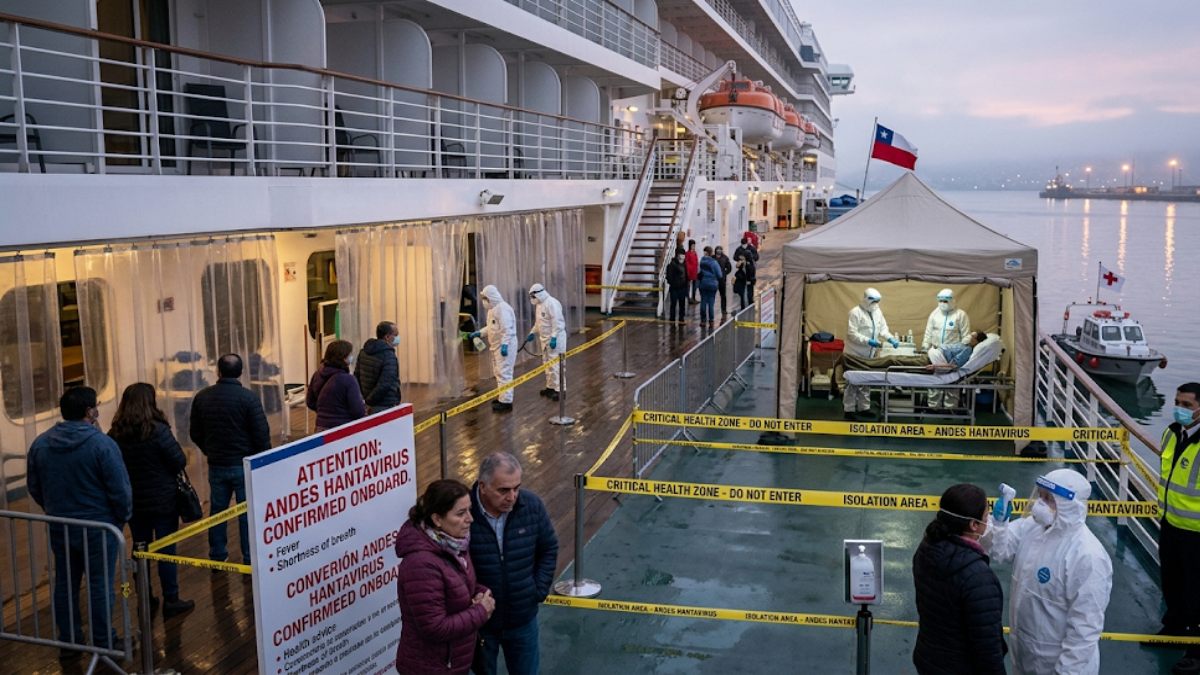
Three people have died on an Atlantic Ocean cruise ship, and a possible hantavirus outbreak is beginning an international health investigation by the World Health Organisation.
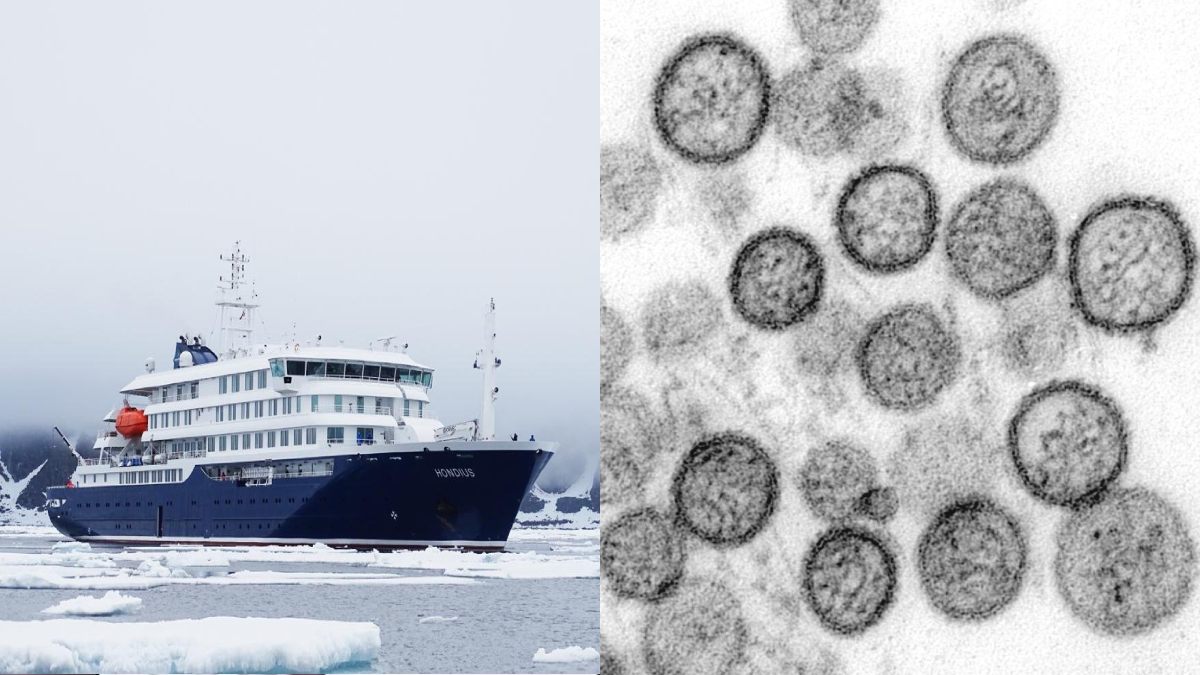
The outbreak was on an expedition vessel called MV Hondius that was making its way from Ushuaia, Argentina, to Cape Verde, and several passengers were thought to have developed severe respiratory symptoms. One confirmed laboratory case of hantavirus has resulted, and five additional suspected cases are pending investigation, according to the World Health Organisation (WHO).
Among them, three have died, and one is in intensive care in South Africa. Initially, the outbreak was characterised by what health authorities described as a “severe acute respiratory illness.” At least one sick passenger later tested positive for hantavirus, a rare but potentially lethal virus that is often associated with contact with contaminated rodent urine, droppings or saliva, South African health officials later acknowledged.
Among the casualties were a Dutch couple and another passenger who fell mysteriously ill on board a ship, the reports said. One infected passenger perished on board the ship; another was taken to a hospital in Johannesburg, South Africa. “Detailed epidemiological investigations and virus sequencing are now in progress to determine the spread and extent of the infections, also whether any passengers were exposed on board or before people set foot on the cruise,” the WHO said.
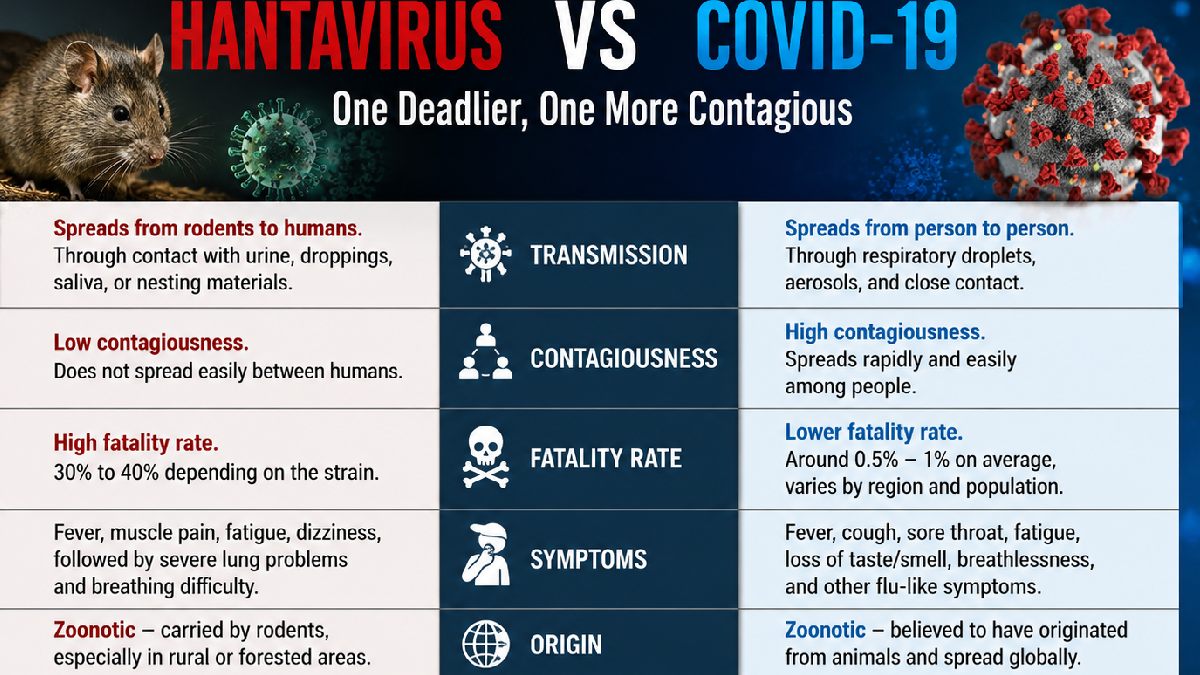
In humans, hantavirus infections are very rare, but they can be deadly if the virus develops into hantavirus pulmonary syndrome (HPS), an illness of the lungs that results in serious respiratory distress. Initial symptoms are frequently similar to those associated with the flu and include fever, muscle pain, fatigue, headaches and abdominal discomfort, and can progress to respiratory failure in very severe cases.
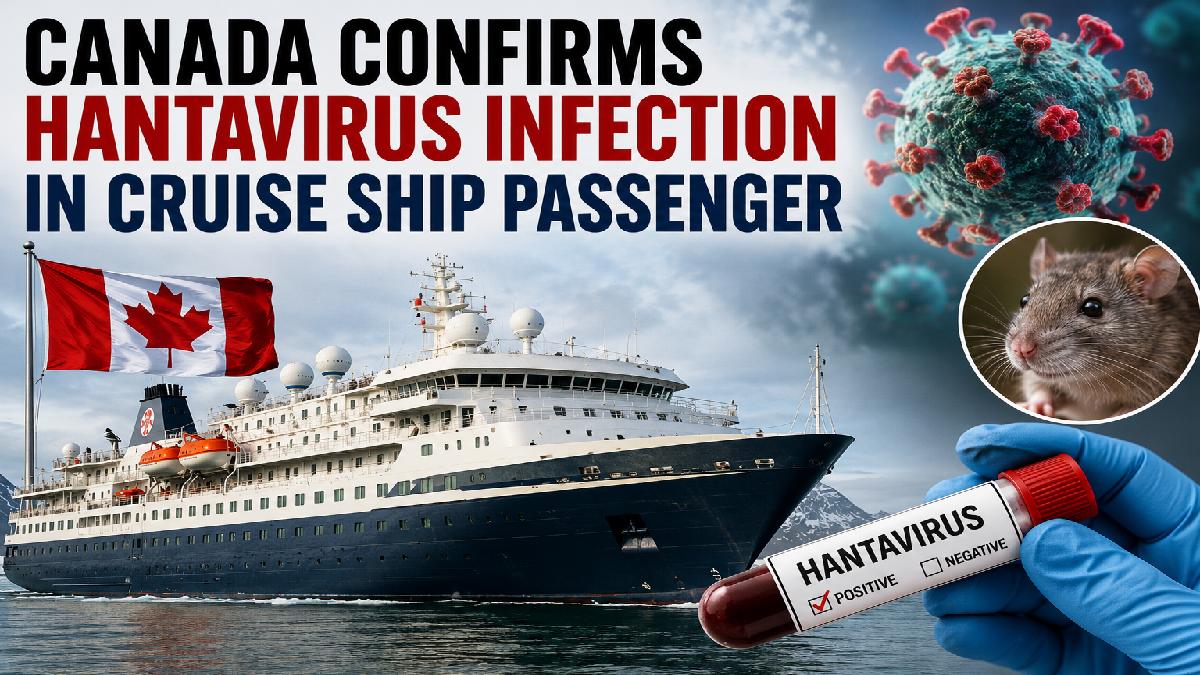
Health officials emphasised that hantavirus is broadly transmitted through environmental exposure, particularly through rodents, rather than widespread transmission via humans. But the WHO said some strains of the virus have rare person-to-person transmission, so close surveillance is important.
The cruise operator Oceanwide Expeditions is reportedly collaborating with international health agencies and local authorities. Those who were symptomatic are undergoing medical evacuation efforts to remain out, and what remains of passengers and crew are receiving monitoring and medical care as well. It has sent alarm across the world for being an unusual outbreak to have on a cruise ship.
Social media erupted into talk and fear about the virus, especially when news linking the illness with acute respiratory illness and numerous deaths was circulated. But public health experts urged people to refrain from going on a panic, and said investigations remain in progress.
The authorities are looking into where the exposure had come from, assessing risks for the passengers and the crew and trying to stop the spread of the disease. The vulnerability of cruise ships to communicable disease outbreaks has once again been brought to light in the aftermath of the MV Hondius outbreak, thus demonstrating the importance of the need to have an overview of the worldwide response and also the importance of early international response for the growing number of potential public health threats to which the cruise ship is likely to be exposed.