A California realtor has been arrested at Los Angeles International Airport (LAX) on allegations of spying on behalf of China against the son of Taiwan President Lai Ching-te. Wanying Zhang, also known as Heather, was arrested last night as she was about to board a flight to Shanghai, according to the criminal complaint.
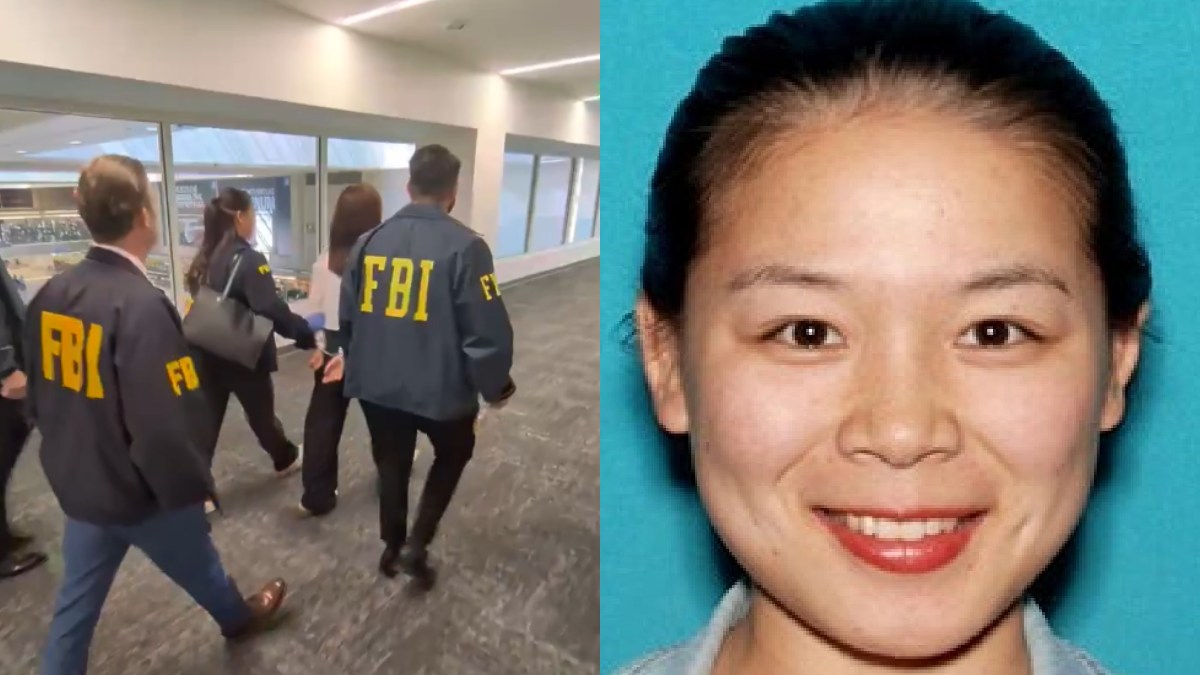
Zhang, 34, is a Chinese American and a resident of Irvine in Orange County, California. Prosecutors say she worked with officials in the People’s Republic of China and tried to monitor Ting-Yu Lai, the son of the president of Taiwan. The case has brought new attention to allegations of Chinese intelligence operations involving people living in the United States.
According to the complaint released by the FBI, investigators found text messages between Zhang and other people who are believed to have been involved in the operation. The messages are central to the government’s case against the California woman and investigators are citing them as evidence of her alleged activities.
The surveillance effort focused on Ting-Yu Lai, who works for electronics company Philips in Seattle, Washington. The complaint describes efforts to find out about him and watch his activities. The investigation is part of a wider U.S. investigation into suspected foreign intelligence operations conducted on American soil.
Zhang was arrested as she attempted to leave the United States for Shanghai. Her arrest at LAX prevented her from completing the planned journey and investigators are still investigating her alleged connections with Chinese handlers. The charges have not been proven in court and Zhang will be able to respond to the charges through the US legal system.
The case has also drawn comments from California Attorney General Bill Essayli. He alleged that the Chinese government has used Chinese Americans to advance its interests in the United States and described the alleged operation involving Zhang as an effort on behalf of Beijing rather than against the United States.
Essayli said the case was an example of a long-term strategy by Beijing to gain an advantage over the United States. His comments reflect the general concern of US law enforcement officials about alleged foreign influence and intelligence gathering activities involving individuals with connections to China.
The alleged targeting of the family of the Taiwanese president poses a sensitive geopolitical context. The relations between Beijing and Taipei are tense and China claims Taiwan as a part of its territory while Taiwan has its own democratic government. Taiwan President Lai Ching-te is a major figure in the political fight between the two sides.
The allegations also come at a time when concerns are growing in the United States about Chinese espionage and transnational repression. U.S. officials have long worried about foreign governments’ efforts to collect intelligence, monitor dissidents and influence communities in the country.
For investigators, text messages cited in the criminal complaint are expected to be central to establishing the nature of Zhang’s alleged communications with suspected Chinese agents. Authorities will need to show how the communications relate to the alleged surveillance activities and whether the conduct meets the legal requirements of the charges filed against her.
The arrest at LAX is most likely to be followed by court proceedings where prosecutors will make their case, as well as the evidence in court. Zhang is entitled to the presumption of innocence unless and until proven guilty in court.
The case highlights the increasingly complex intersection of US national security, foreign intelligence investigations and tensions surrounding Taiwan. It also underlines the scrutiny faced by individuals suspected of acting on behalf of foreign governments while operating inside the United States.