Cui Peijun, founder and chairman of Henan Kuangshan Crane Co., has once again attracted attention when he said he fired an employee for not inviting his mother to his wedding. Cui, who has been touted as China's most generous employer given his company's reported payment of ₹237 crore to employees, said he spoke about family values and workplace culture when he discussed the termination.
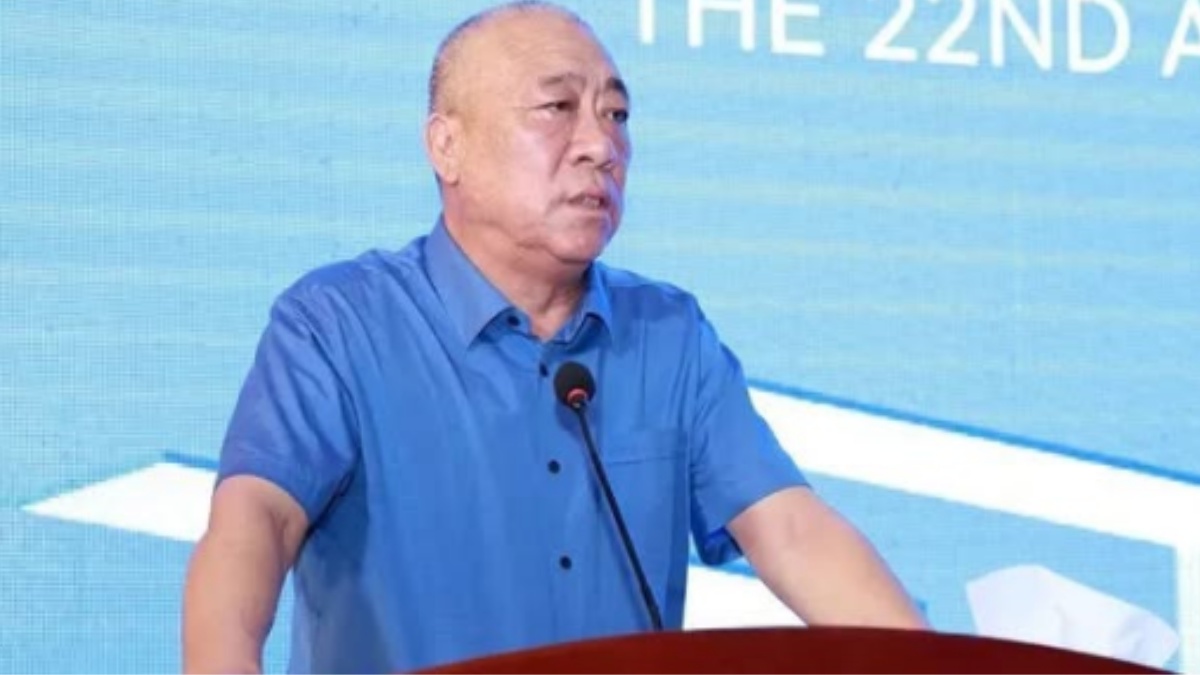
Cui Peijun has become well known in China not only for his company’s success but also for his employee welfare programs. Over the years, reports of huge cash bonuses, luxury rewards, and incentive programs have helped establish his reputation as an employer who values and rewards his workforce. His vast bonuses have drawn national attention and earned him admiration for recognizing employee contributions.
But his current remarks have shifted the conversation from financial generosity to personal values. Cui says the employee did not invite his mother to his wedding because he was embarrassed by her appearance and social status. Cui said he viewed the decision as a reflection of the employee's character and respect for family, ultimately choosing to terminate him.
For many people on Chinese social media, the news raised huge emotions and there was a huge debate. Supporters said that respect for parents is very much part of Chinese culture and that a person’s treatment of family members can reflect a lot more than just responsibility, gratitude, and integrity. Many users took Cui’s behavior as a manifestation of his own leadership philosophy, emphasizing that the same level of family respect should not be compromised for social status or appearances.
But others have questioned whether an employer should make decisions about employment based on an employee’s personal life rather than on what the employee does professionally. Workplace evaluations should be focused primarily on job competence, performance on the job, and compliance with company policies, they argued. They said personal family matters can be too complex for employers to assess fairly and not necessarily a measure of professional aptitude.
The incident also opened up more conversations about corporate culture and leadership styles worldwide. In many Asian societies—particularly China—values of filial piety, respect for elders, and good family relationships have historically shaped social and professional expectations. Some business leaders take these ethical values very seriously to such an extent that they are the foundation for discipline, loyalty, and ethical behavior.
Leadership experts point out that business culture is often in line with what founders of a company think and do. Some executives are driven by innovation, performance, and metrics; others by trust, compassion, social responsibility, family, and community. Finding the right balance between organizational culture and employee privacy is still a dynamic issue in management today.
The story has also highlighted Cui Peijun's unconventional management style. Besides financial motivation, he has spoken often about character, responsibility, honesty, and gratitude in his professional life. His leadership philosophy appears to go beyond business performance—it touches on personal ethics and interpersonal relationships.
Human resource professionals generally stress the need for clear and specific workplace policies with objective performance criteria while respecting employee privacy. In organizations, fairness, transparency, and consistency in hiring and firing of employees is vital for trust building, they say. And yet many organizations also put values of respect, collaboration, and integrity at the heart of their corporate culture.
Cui Peijun's comments are not without great public interest as they touch on business leadership, cultural values, and workplace ethics. And the discussion shows how leadership decisions that are not strictly business-related can also incite diverse responses in an increasingly interconnected world.
As conversations continue online, the incident serves as a reminder that corporate leadership is often not only about business strategy but also about personal values and culture. Whether viewed as a principled stand on family values or a controversial employment decision, Cui Peijun's remarks have brought him back into the public spotlight again and raised the issue of personal character, workplace expectations, and leadership in the current business climate.