China has intensified emergency preparedness measures as the typhoon pushes towards its eastern coastline just days after devastating storms and floods killed dozens of people, displaced thousands and caused widespread damage across several provinces.
Safety experts have issued weather warnings, evacuated people from hard-hit coastal areas and halted transportation services to prepare for the typhoon and heavy rain and storm surge risk and other dangers as typhoons hit and heavy rains and strong winds have intensified and typhoon surge are forecast in the region’s coastal areas.
The typhoon is expected to hit China's eastern seaboard, with torrential rain and wind speeds that could damage the country's infrastructure, agriculture and residential areas.
Low-lying areas and river basins that have been saturated by recent rainfall are at high risk of flash floods, landslides and urban flooding, and the meteorological warning agencies have said.
The latest weather threat follows a week of severe storms that battered multiple parts of China.
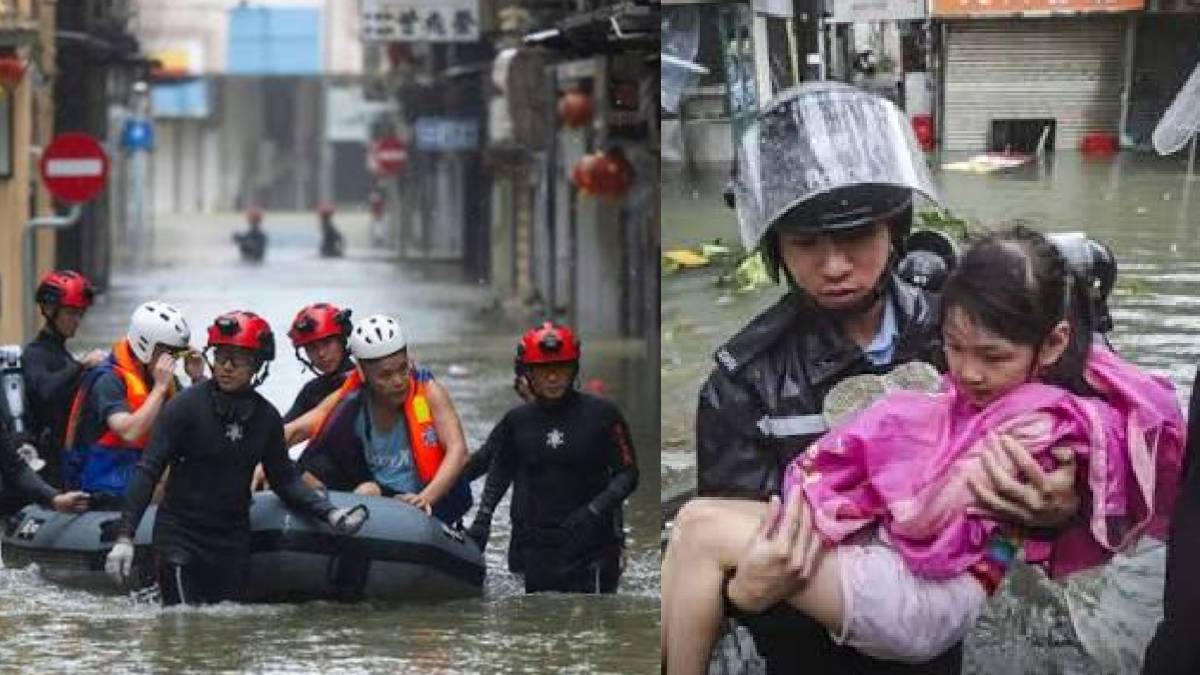
Heavy rainfall triggered floods that inundated roads, homes and farmland and rescue teams worked around the clock to evacuate stranded residents and provide emergency relief.
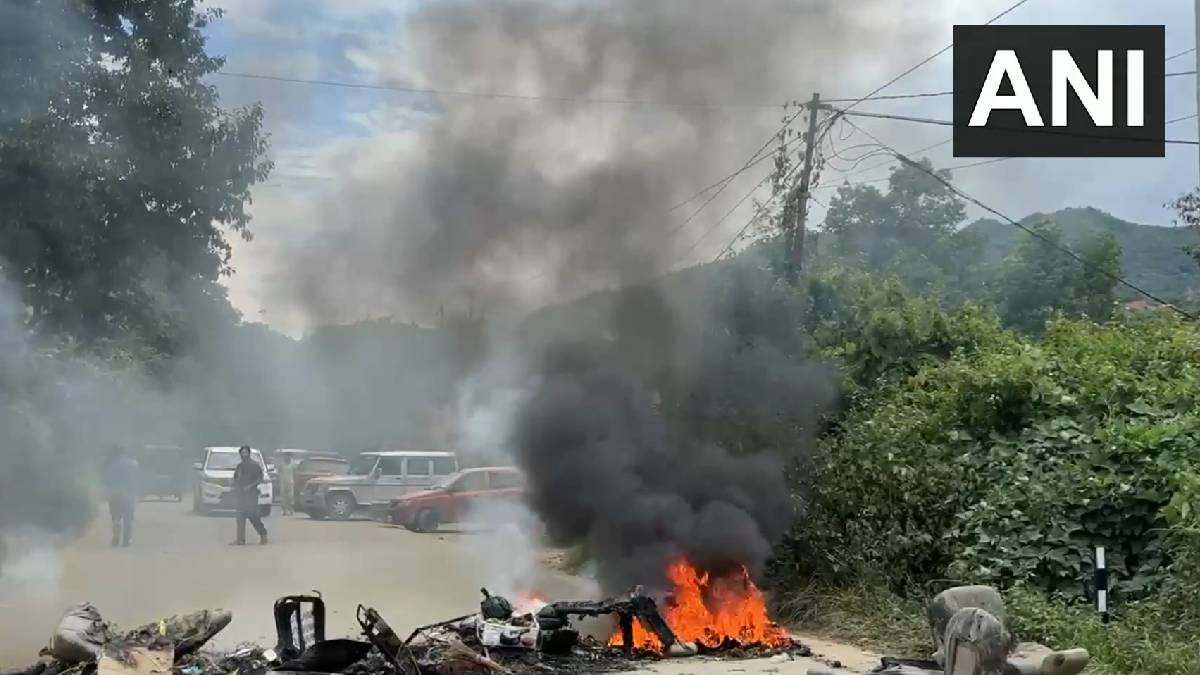
Several provinces reported casualties, property damage and disruption to transportation networks, demonstrating the growing impact of extreme weather events.
Local governments have activated emergency response plans for disaster management teams and fire departments and medical personnel and military units to help people evacuate and rescue.
Temporary shelters have been created to house residents of high risk areas, as well as emergency supplies food, drinking water, blankets and medical kits have been supplied to the area ahead of the storm.
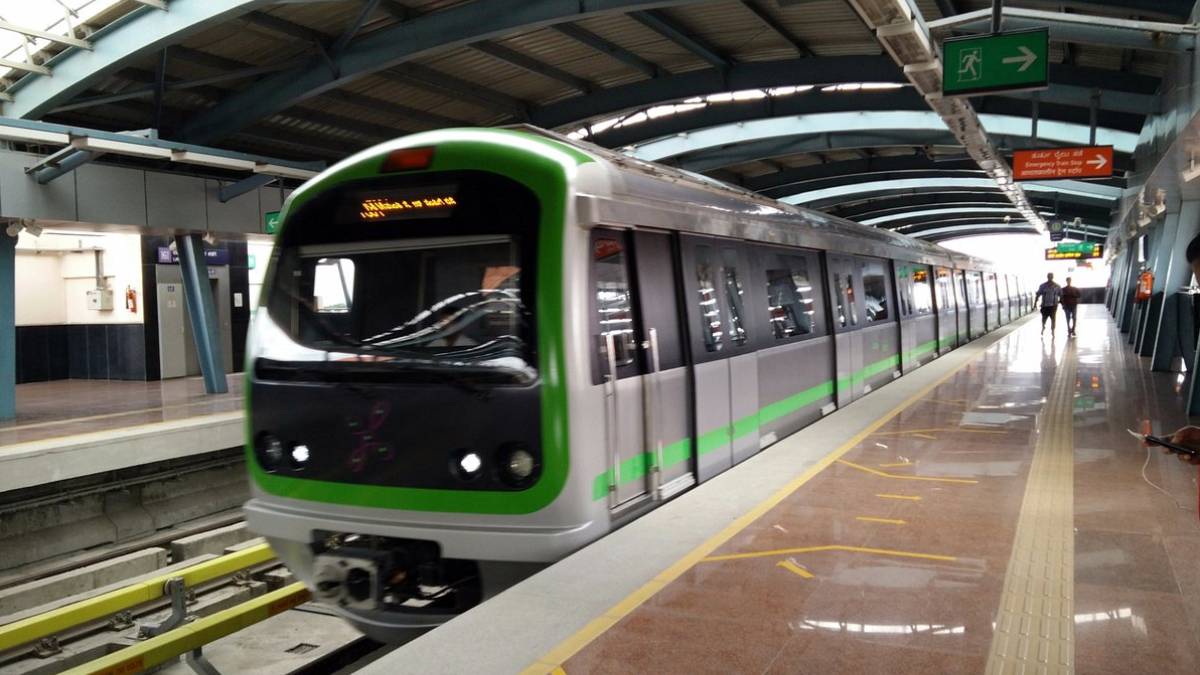
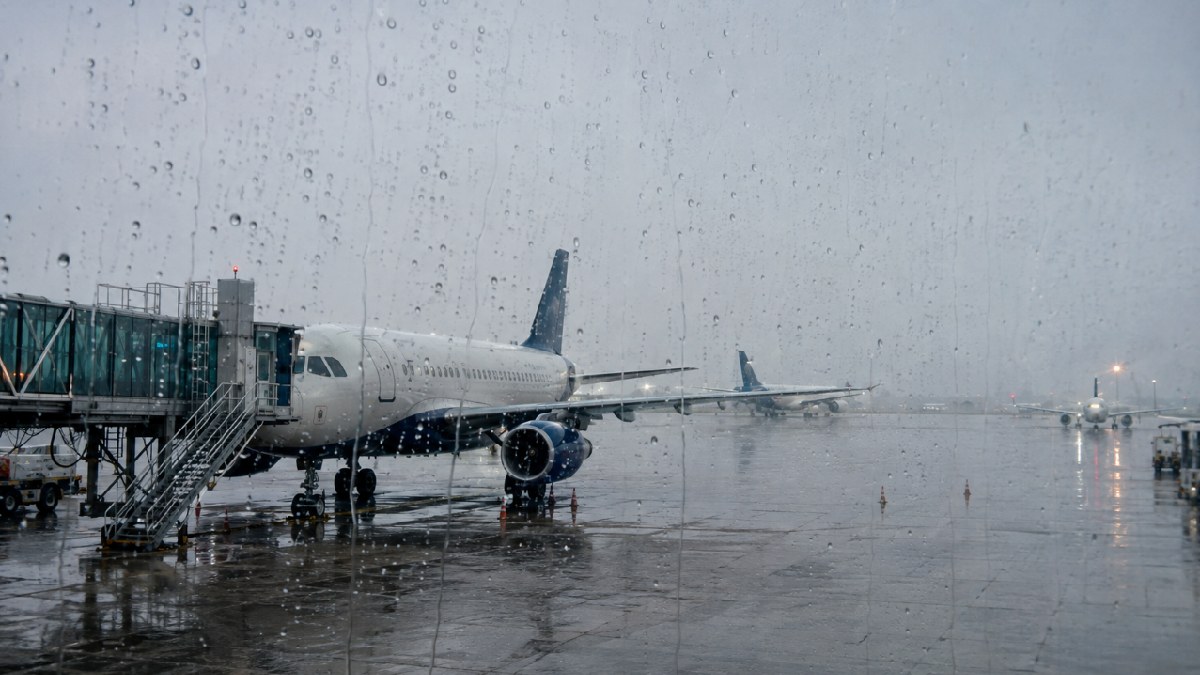
The ferry service, fishing activities, and some train and flight service in typhoon affected areas may be canceled.
Schools and businesses in coastal cities that are at risk of being hit by a typhoon may be closed if conditions worsen, and it’s also advised people should not travel, keep their outdoor items secure and follow weather alerts from the government.
China’s National Meteorological Center has stressed that the saturated soil of recent storms and the typhoon are going to increase the risk of second disasters like mudslides and river overflows.
Engineers are monitoring reservoirs and dams closely to manage water levels and reduce the flood risks downstream.
Climate change is a major factor that has led to a surge in extreme weather events in East Asia, researchers say.
Rising global temperatures make tropical cyclones more moist and so rainy and flooding more catastrophic when storms come to the area.
More sophisticated forecasting systems in the region, greater flood defenses and disaster preparedness measures are being undertaken in the future.
Emergency services are on high alert for the typhoon's arrival as millions of residents prepare. Search and rescue vehicles have been sent to the typhoon-prone areas to provide assistance in the most vulnerable areas.
With memories of the recent deadly storms still fresh in China, the country is currently dealing with yet another major test of its disaster response capabilities.
There are now also a lot of hard decisions to be made in the coming days as officials must do to protect lives, protect infrastructure and keep people and infrastructure safe from the effects of another big weather disaster.