China has officially started construction of what is expected to be the world’s largest hydroelectric dam on the lower reaches of the Yarlung Tsangpo River in Tibet, a project that is drawing close attention in India because of its location just around 50 kilometres from the Arunachal Pradesh border.
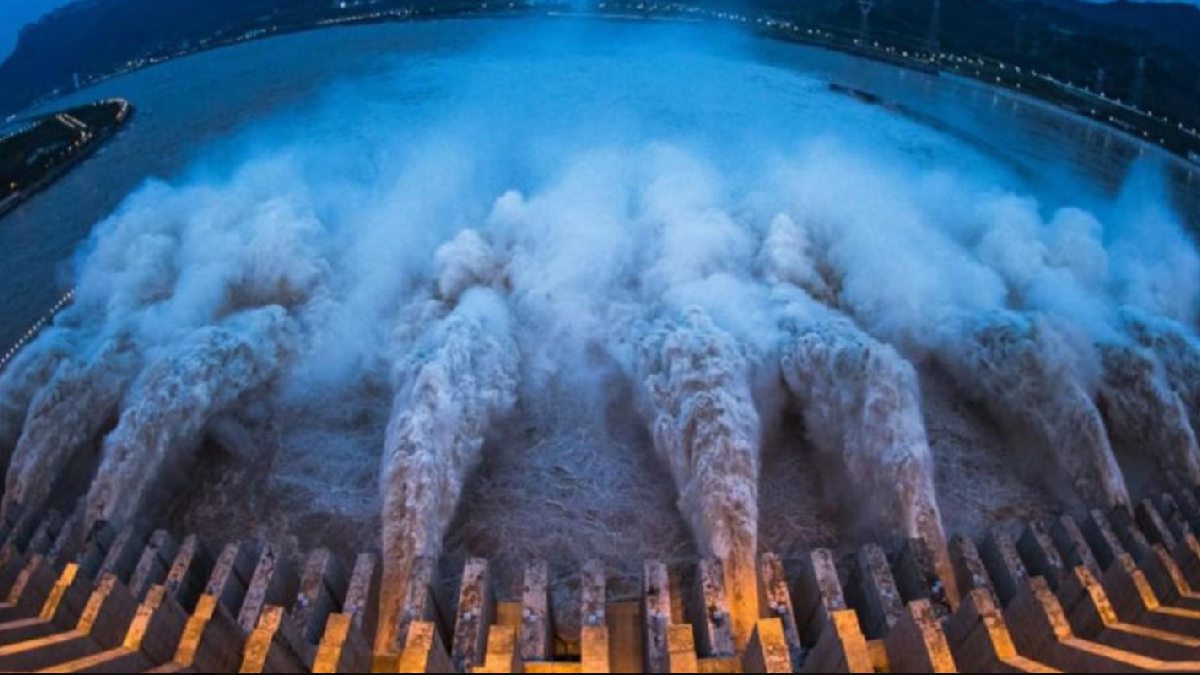
The development has once again brought focus to the strategic importance of transboundary rivers in Asia and the growing competition between India and China over water resources, energy security and regional infrastructure.
The huge Chinese project, also known as the Medog Hydropower Project, will generate around 60,000 megawatts (MW) of electricity, making it the largest hydropower facility built. The dam is built on the Yarlung Tsangpo, which later flows to India as the Siang River before it becomes the Brahmaputra, one of the country’s most important river systems.
The announcement has prompted India to accelerate discussions around its own ambitious response—the Siang Upper Multipurpose Project (SUMP) in Arunachal Pradesh.
The proposed project is to be led by state-run NHPC, with a capacity of 11,000 MW and a cost of nearly ₹1.5 lakh crore. If completed, it would be India's largest hydropower project capable of generating about 47 billion units of electricity annually.

But there is still a big difference between the two projects. China’s dam is already in the construction phase whereas India’s Siang project is still in studies and preparations.
Why Is the Siang Project Important for India?
The Siang Upper Multipurpose Project has a much bigger impact on the economy than electricity generation.
The Siang River forms the upper stretch of the Brahmaputra, a river system that supports millions of people in Arunachal Pradesh, Assam and several northeastern states. Any major intervention upstream has the potential to affect river flow, agriculture, fisheries, ecosystems and flood patterns downstream.
Experts have long been worried that a large Chinese dam upstream could alter the natural flow of water or put people at risk during periods of extreme weather. China has always maintained that the project is primarily for hydropower generation but Indian policymakers look at it from both an environmental and strategic perspective.
The Siang project is therefore a multipurpose infrastructure initiative. Apart from generating power, it is expected to be a large water storage and flood-control mechanism that can reduce the impact of sudden water releases or extreme flooding events upstream.
The project is also viewed in India as a strategic safeguard that could make water security and the Brahmaputra basin management more secure in the future.
Concerns Over the Brahmaputra Basin
The Brahmaputra is one of the most powerful river systems in the world and the basic sources for farming, drinking water, transportation and livelihoods throughout northeastern India.
Environmental scientists warn that any major change in river flow patterns would be harmful to biodiversity, sediment flow and local ecosystems. And rapid changes in water discharge may also increase flood risk in low-lying downstream regions.
Knowing these concerns, the Indian government has said that it is closely monitoring Chinese hydropower activities in the Brahmaputra basin. New Delhi has always argued for greater transparency, early engagement and hydrological data sharing from Beijing regarding projects on transboundary rivers.
At the same time, India is building flood forecasting systems, building river monitoring networks and investing in infrastructure resilience in the northeast.
While China pursues the world’s largest hydroelectric project, India has to balance environmental concerns, energy needs and national security concerns. The next few years will not only be crucial for the future of the Brahmaputra basin but for the strategic relationship between Asia’s two biggest nations.