More than 43 lakh voters’ names have been excluded from Jharkhand’s draft electoral rolls after the completion of the enumeration phase under the Special Intensive Revision (SIR) exercise, according to information provided by the state’s Chief Electoral Officer (CEO).
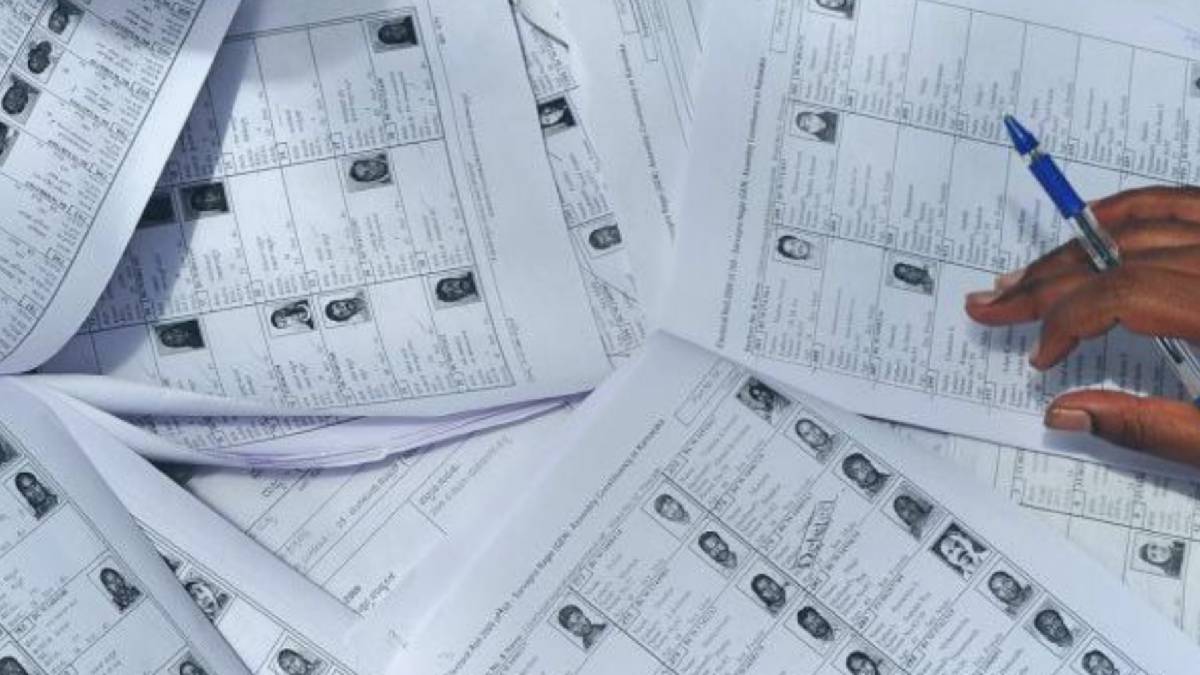
The release of the draft electoral rolls constitutes a crucial step in the voter list revision process going on in the state. The final draft was prepared after enumeration, in which electoral authorities were fully involved and got information from registered voters.
The scale of the exclusions will be of interest to political parties, civil society organizations and voters in Jharkhand. A draft electoral roll does not necessarily represent the final status of the voter list. The draft stage generally provides an opportunity for eligible voters to verify their details and submit claims, corrections or objections through the prescribed process.
According to the reports released before the draft roll’s release, Jharkhand had over 2.64 crore registered electors, whereas about 2.20 crore voters signed enumeration forms during the revision exercise. The difference between these figures was a major aspect of the scrutiny process leading up to the publication of the draft list.
The SIR exercise is intended to update electoral rolls by identifying entries that may no longer be eligible or require verification. These can include voters who have died, permanently shifted their residence, cannot be traced, have duplicate registrations, or did not complete the required enumeration process.
The absence of more than 43 lakh names from the draft list has revised the exercise, one of the most important electoral roll updates done in Jharkhand. The final result will depend on claims and objections and the decisions made by electoral registration authorities after reviewing individual cases.
Voters whose names are missing from the draft list are going to look closely at their electoral status. Eligible citizens can apply for inclusion or correction if their names are not in their document and if their information needs to be updated.
The draft publication is therefore an important verification stage rather than the end of the revision process. Electoral authorities are supposed to provide mechanisms for voters to examine the list and seek corrections within the notified period.
The Election Commission’s main goal during electoral roll revision is to ensure that eligible voters are included and inaccurate, duplicate or ineligible entries are removed. This process will help to optimize voter databases in advance of future elections.
Political parties will also examine draft rolls closely in the areas of the country where a large number of names have been excluded. The size and geographical distribution of the exclusions will be the focus of political discussion and debate over the next few days.
When the draft list is published, there will be a period for claims and objections. In that period, voters will be able to check if they have been included correctly and if their names and personal info are correct. Applications can also be submitted for additions, deletions or corrections as per the Election Commission rules.
The final electoral rolls will be prepared after the claims and objections received during the draft stage are examined. This means the number of names on the final voter list might differ from the figures reflected in the current draft.
The situation has once more put voters at the forefront of their electoral process, and people should check their electoral status regularly. Citizens can verify their names, constituency information and other data from official election portals or at local elections.
With over 43 lakh names being excluded from the draft rolls, the next stage of the SIR process will be closely watched. The voters, political parties and election officials will decide how many entries are restored, corrected or retained in the final electoral list.
The Jharkhand CEO’s announcement has brought the scale of the electoral revision into focus, making the publication of the draft rolls a significant development in the state’s electoral process.