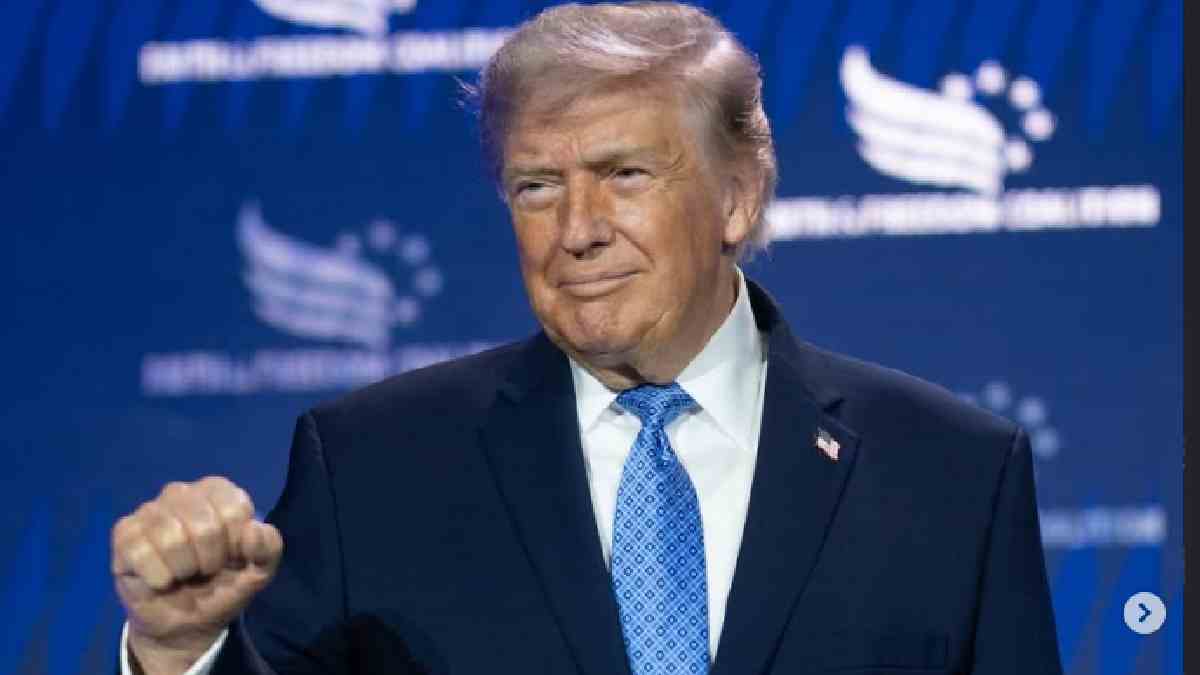
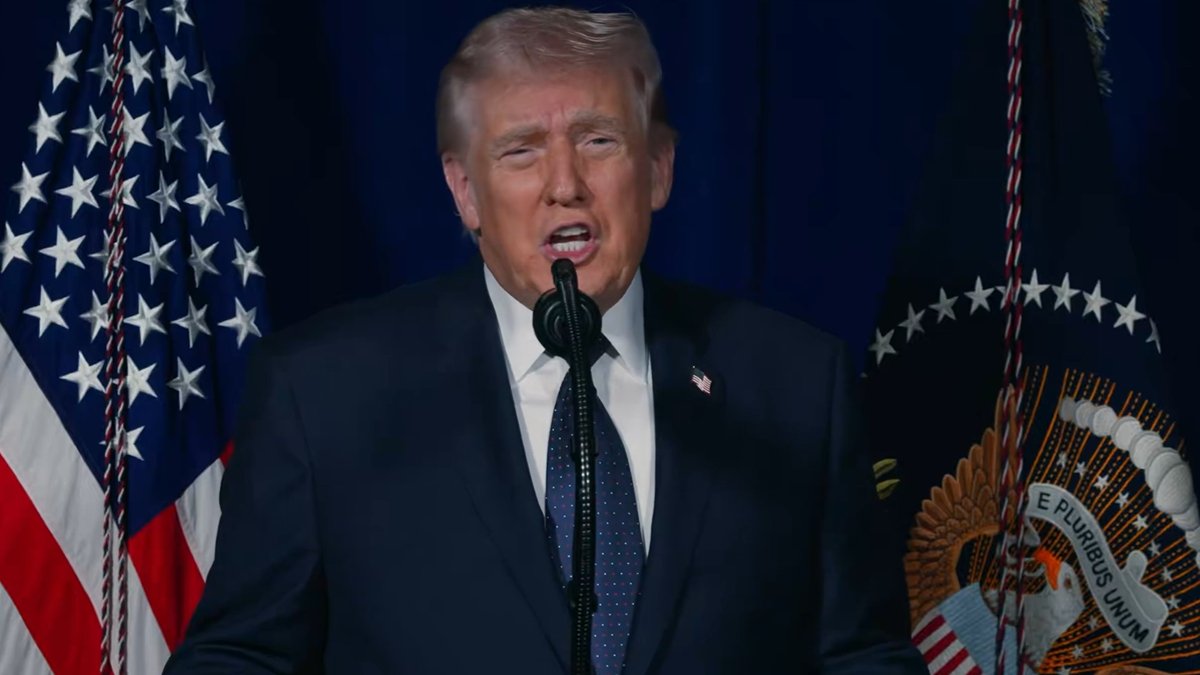
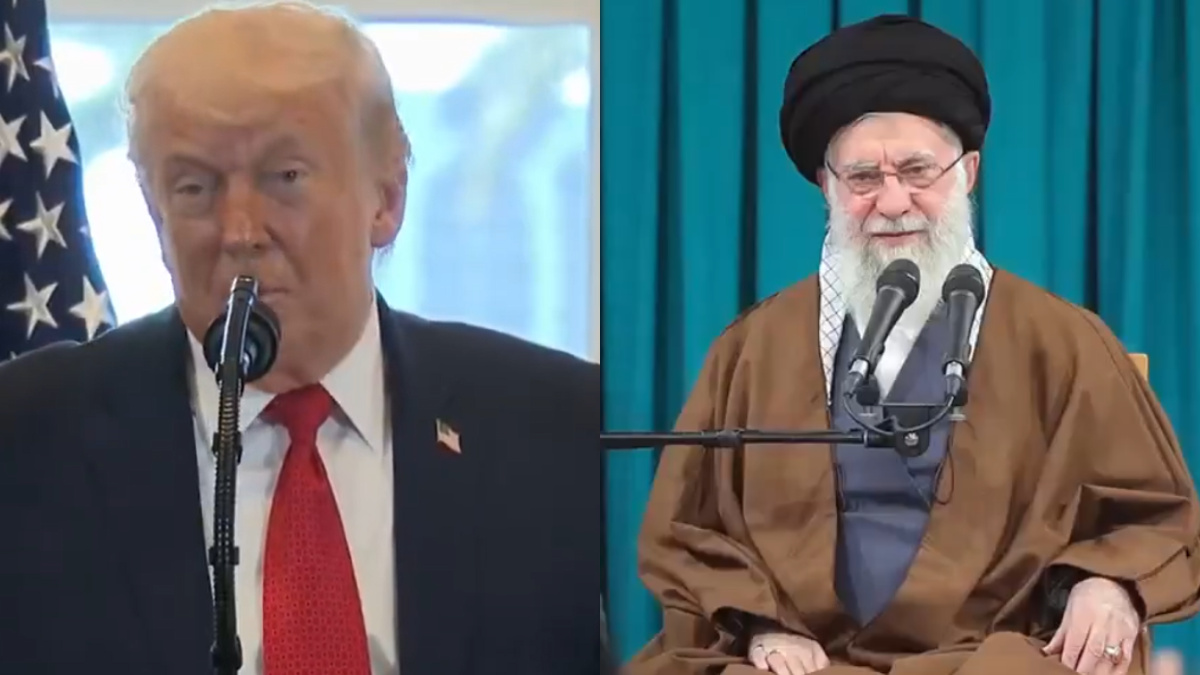
In a step that has rocked global markets, President Donald Trump announced Monday that the United States will levy a blanket 25% tariff on any country that continues doing business with the Islamic Republic of Iran. The President delivered the ultimatum through Truth Social, calling the order “effective immediately” and “final and conclusive.”
Maximum Pressure 2.0
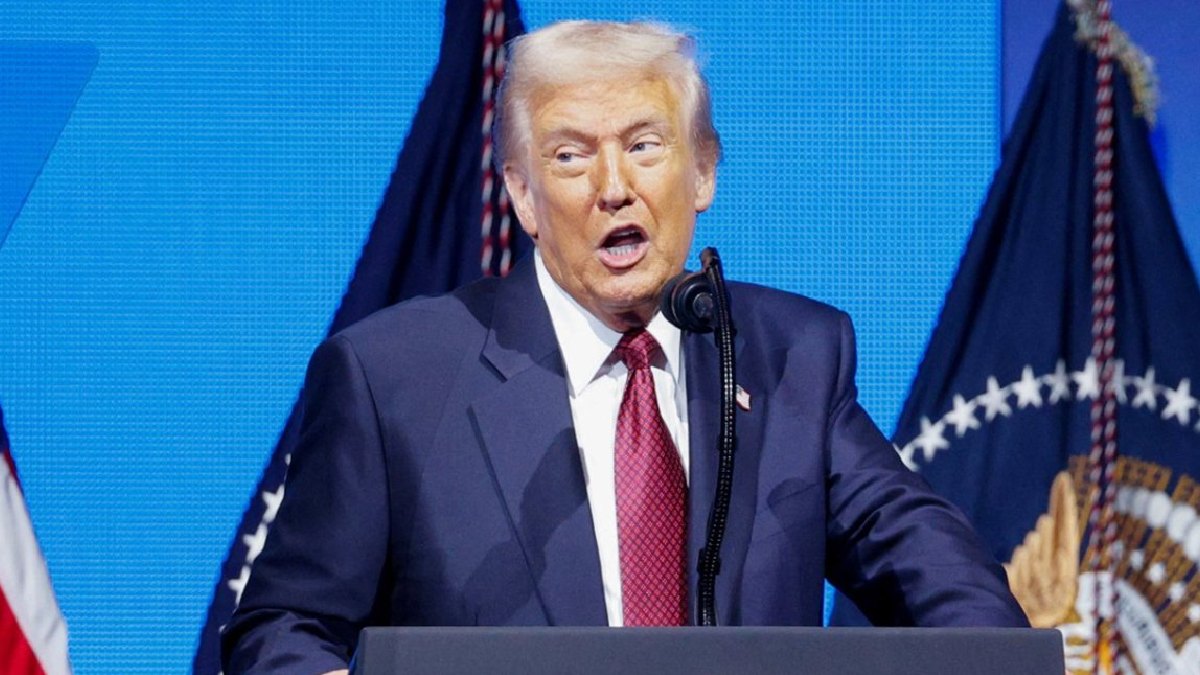
The announcement signals a sharp increase in the administration’s “maximum pressure” campaign against Tehran. The directive says nations that remain commercially connected to Iran need to pay a 25 percent tax on “any and all business” performed with the United States. “Effective immediately, any Country doing business with the Islamic Republic of Iran will pay a Tariff of 25% on any and all business being done with the United States of America,” the President posted.
US President Donald Trump posts, "Effective immediately, any Country doing business with the Islamic Republic of Iran will pay a Tariff of 25% on any and all business being done with the United States of America. This Order is final and conclusive. Thank you for your attention to… pic.twitter.com/7hcmWX7vmH
— ANI (@ANI) January 12, 2026
“This Order is final and conclusive. Thank you for your attention to this matter!”
The move comes as Iran undergoes its biggest domestic upheaval in decades. Anti-government demonstrations, ignited by a worsening currency crisis and mismanagement of the economy, have reportedly left more than 600 dead and thousands of people jailed after security forces clamp down on protesters. Global Economic Implications The “secondary tariff” approach aims to promote a trade-off between global powers by coercing either trade with the Iranian government or unrestricted access to the U.S. economy.
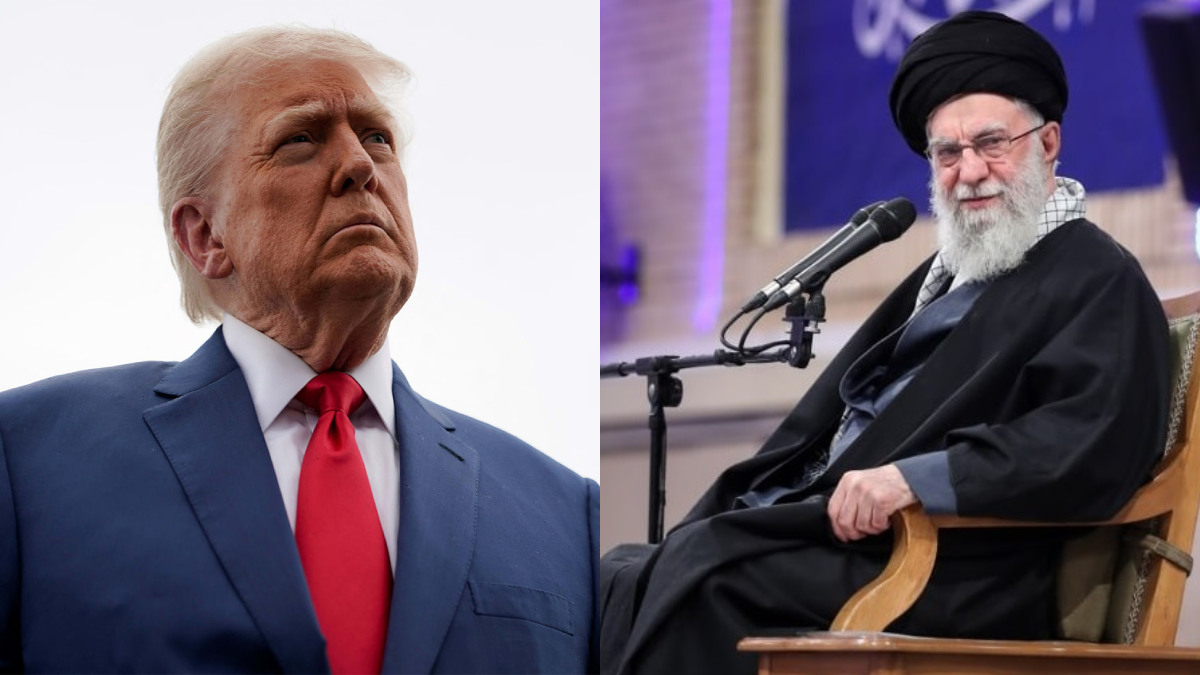
Several of the United States’ best-developed trading partners face direct scrutiny: China - Iran’s biggest oil buyer, Beijing also confronts a huge hike in price of its exports from the United States, potentially rekindling trade tensions that have eased since the late-2023 cease-fire. India: As a result, India could face up to 75% combined levies, depending on its ability to continue buying Russian crude yet that is still more than $2 billion in bilateral trade with Tehran.
The UAE and Turkey
Both countries are vital hubs for the logistics of Iranian trade and now face the prospect of severe economic penalties. Legal and Diplomatic Uncertainty Although the White House has not published official records of the legality of these tariffs in public, Press Secretary Karoline Leavitt said the President is considering “all options” and would consider taking action of military force if the violence against the Iranian protesters persists.
The critics suggest that the move could disrupt global supply chains and add cost to U.S. consumers; for its supporters it is a “necessary tool” used to suck up assets of the Iranian government in a volatile atmosphere. As of Tuesday morning, the Treasury Department did not provide any clear guidance on how tariffs would be levied, or whether those tariffs would be exempted for items such as food and medicine.