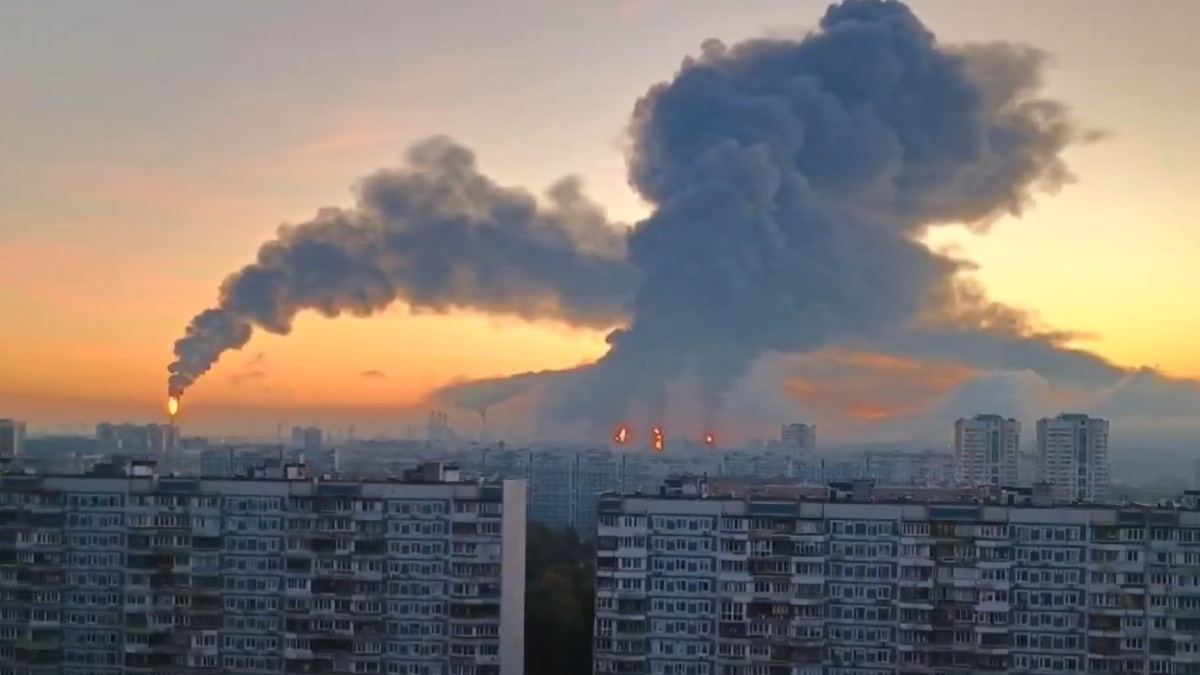
While El Niño is generally associated with extreme heat, drought, crop failures and water shortages in many parts of the world, salt farmers in Indonesia see the climate phenomenon from a very different perspective.
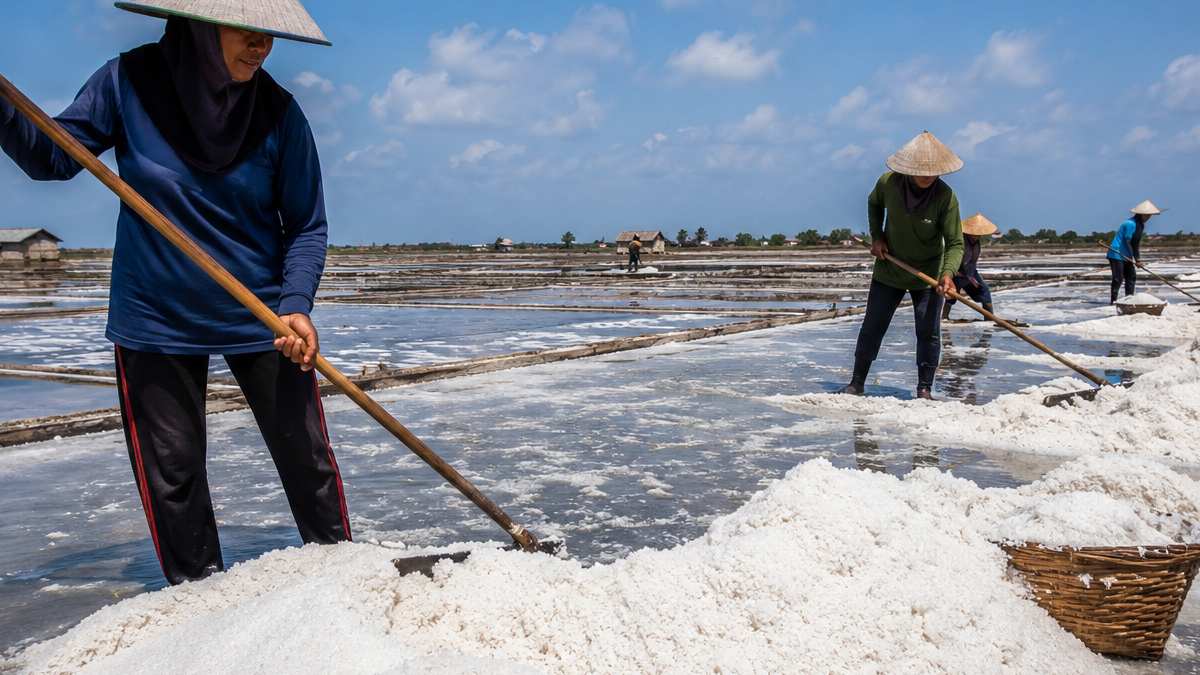
For thousands of traditional salt producers living along the country’s coastline, prolonged dry weather means higher productivity, better-quality salt, and better earnings.
Indonesia is one of the world’s largest archipelagic nations, with thousands of coastal communities dependent on salt production as a primary source of income. Salt farming is heavily reliant on evaporation, and long, sunny days and low rainfall are necessary to make a successful harvest.
During an El Niño event, there is a noticeable decrease in rainfall in many regions of Indonesia. While the drought is bad for farmers and water supply for agriculture and water resources, it is also the perfect time for salt ponds.
The drought can create good conditions for salt ponds, and fewer rainy days that stop evaporation allow seawater to dry faster, enabling farmers to harvest salt more frequently and with greater purity.
Many salt farmers say El Niño is one of the rare opportunities to maximize production. Long-term dry periods prevent rain from washing away the partially formed salt crystals and thus ensure regular harvesting throughout the season. As production increases, farmers usually make more money, especially when domestic demand is strong.
The contrast between agriculture and salt farming is clear and stark. Rice farmers and other agricultural communities suffer much worse in the absence of rainfall, but salt producers benefit from the same climatic conditions. Climate events can affect different industries and local areas depending on the industry and the local climate.
Experts say benefits aren’t universal. Extreme droughts can also have logistical problems, including water supply shortages in adjacent areas and environmental stress on coastal ecosystems. If workers are not protected from heat, there could be health problems and increased costs for transportation and storage in some areas.
Indonesia continues to import large amounts of industrial-grade salt despite being a major producer of traditional sea salt. Modernization, better infrastructure and advanced salt processing have been the focus of the authorities to raise the level of salt produced locally.
El Niño may support production for a small period, but long-term investments are needed to build the salt industry in the country.
Climate scientists note that El Niño is a natural weather pattern that results from warming sea surface temperatures in the central and eastern Pacific Ocean. The effects are felt around the world: rainfall patterns, temperature and agricultural productivity.
Many countries prepare for drought-related challenges during El Niño years. But the coastal salt farmers in Indonesia look forward to the dry season.
In this story, climate is interwoven with livelihoods. What is a disaster for one sector is also a chance for another. For Indonesian salt farmers, every extra week without rain can translate into larger harvests and better financial stability.
With global climate variability reshaping weather patterns, communities are adapting their livelihoods to changing conditions. Indonesia's salt farmers are a prime example of how resilience and traditional practices can turn an environmental challenge into an economic opportunity.