The U.S. Federal Reserve has kept interest rates unchanged at this point in time, but policymakers have been sending a strong signal that borrowing costs could rise in the near future as inflation continues to rise across the world’s largest economy.
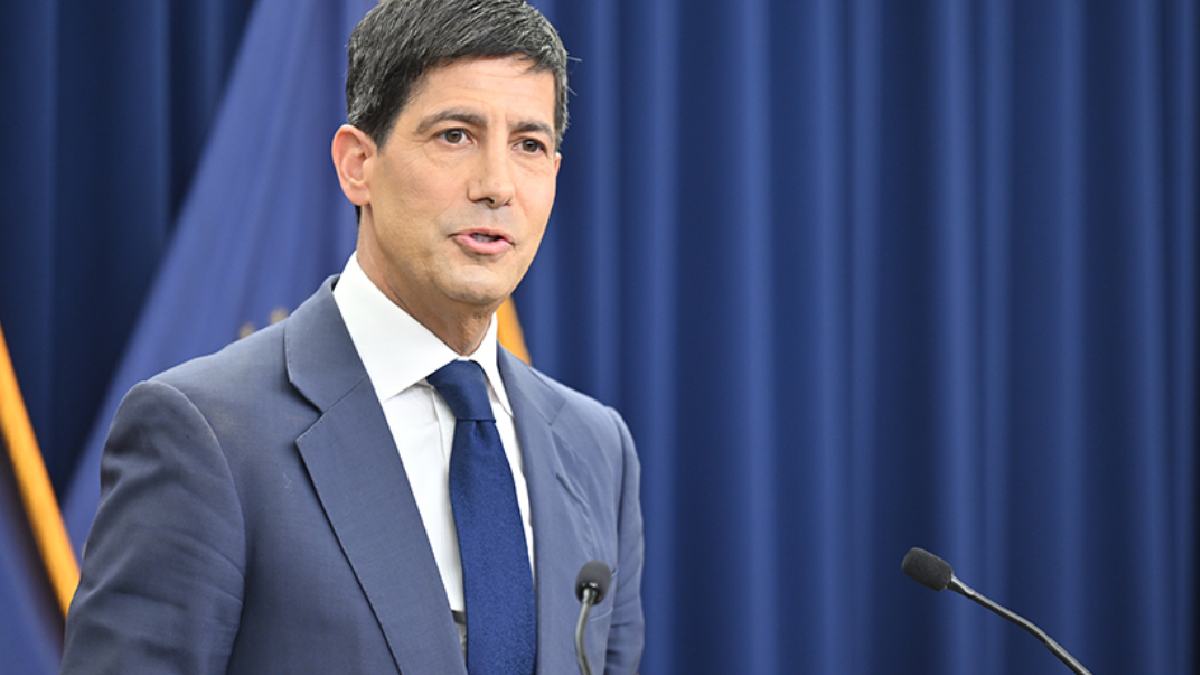
The decision marked the first policy meeting chaired by Kevin Warsh, who recently took over the central bank. While the Fed did not change rates immediately, new projections showed a pronounced change in policymakers’ thinking.
According to the latest forecasts, nine of 19 Federal Reserve officials who take part in policy discussions now expect at least one interest rate increase before the end of the year. Just a few months ago, most officials had been anticipating rate cuts as inflation appeared to be moving closer to the Fed's long-term target.
The change in the picture comes after inflation rose above 4 percent in the most recent month, the highest since 2023 and well above the Fed’s target of 2 percent.
Inflation Pressures Continue to Build
The reason for the current inflation concern is a startling increase in energy prices. Increasing tension in the Middle East and problems in global oil markets have pushed fuel costs up and businesses and consumers are paying the price.
Higher energy prices have spread to the broader economy, increasing transportation, manufacturing and household costs. And so many Americans continue to face rising expenses despite expectations earlier this year that inflation would slowly cool.
After the policy announcement, Fed Chair Kevin Warsh admitted in a speech after the announcement that the economy was not doing as well.
"We recognize that inflation has been running well ahead of the Fed's long-stated inflation goal," Warsh said. “Persistently high prices are a burden for the American people.”
As he also said, inflation will eventually moderate, and current conditions are not necessarily what will determine what happens for the future.
Financial Markets Respond
Investors reacted quickly to the Fed's more cautious stance.
The Dow Jones Industrial Average fell almost 1.5 percent after the announcement while the Nasdaq Composite lost about 1.3 percent. Meanwhile, U.S. Treasury yields were up 0.8 percent after the announcement as the market adjusted expectations of future interest rates and stocks were up slightly.
I think market participants were expecting to see rate cuts in the future, and I think they wanted to see them then. But policymakers also said inflation could remain stubbornly high.
Warsh repeatedly refused to give guidance on future policy decisions, saying he did not want to rely too much on future commitments. The decision to leave rates unchanged was unanimous, he said, and officials did not discuss raising rates during the meeting.
Uncertainty Remains
But while a ceasefire agreement and the restart of shipping routes recently have led to hopes that energy prices may begin to ease, economists say that inflation can take quite a long time to reverse.
Many analysts believe that factors beyond energy costs could keep prices high. Tariffs, supply chain adjustments and huge investments in artificial intelligence infrastructure are all part of the price pressures, and supply chains and artificial intelligence infrastructure are key factors on the rise.
Experts say the Fed is now in an interesting balancing act. If it raises rates too fast, economic growth will slow down and inflation will get entrenched in the economy too much too long.
For now, the central bank has chosen patience. But inflation is still high and policymakers are talking about rate hikes as businesses, investors and consumers are preparing for the possibility that borrowing costs will go up rather than down in the months ahead.