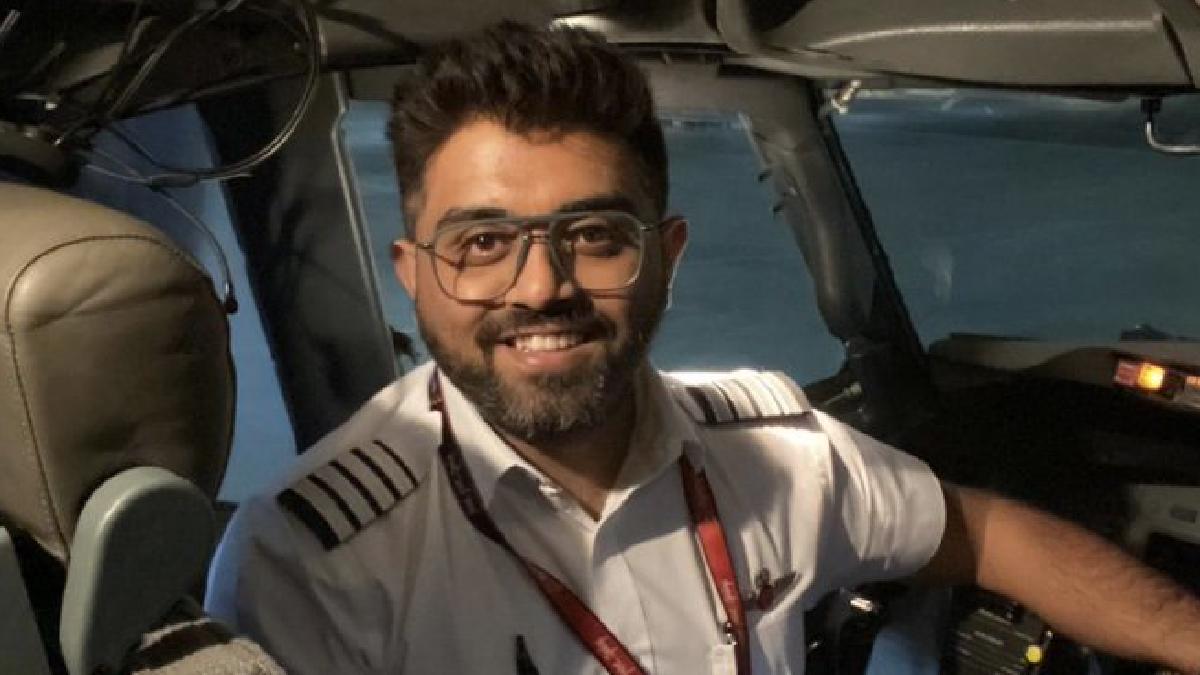
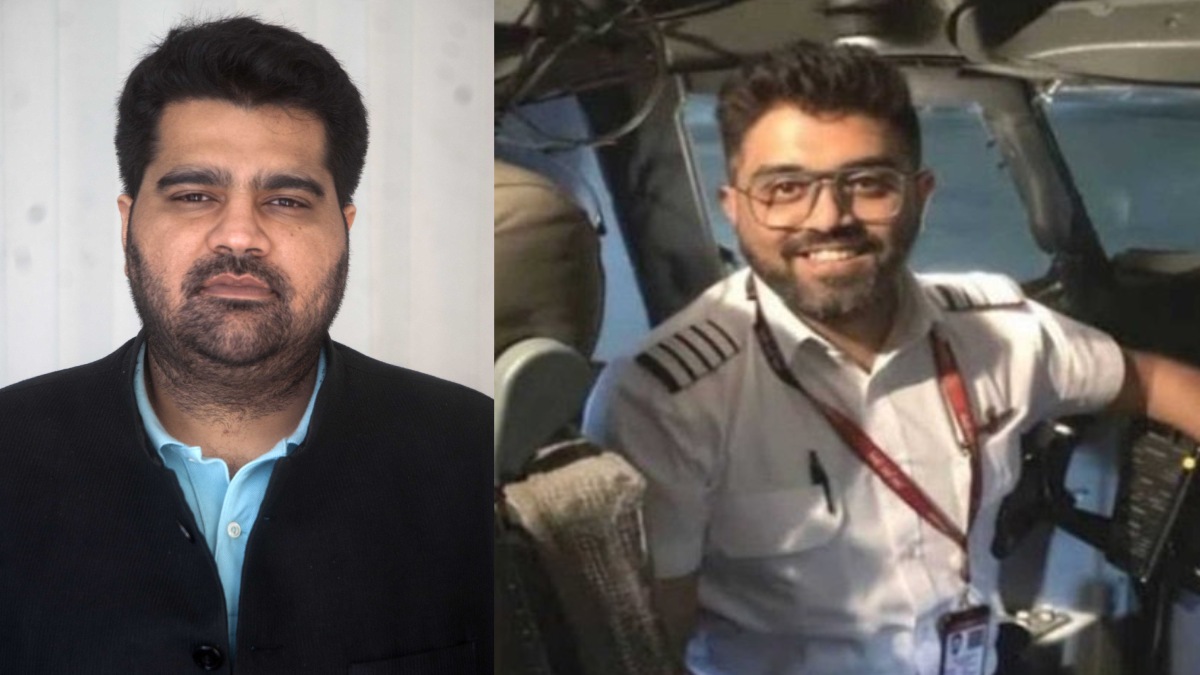
A series of missed security alerts raised questions about how a Flydubai co-pilot was able to gain access to the aircraft cockpit despite the security concerns that had recently been raised earlier.

Security checks, social media activity, and other warning signs that might have been missed before this disaster have been noted and highlighted in the case.
The individual was not a single thing, the case showed. That was because over time he had problems on social media, some of them on his own, and they have raised questions as to whether the information available to authorities and security agencies has been effectively analyzed and acted on.
A co-pilot’s access to the cockpit is now a critical issue because security checks for aviation security are intended to catch risks before they become a crisis.
Flight crew are interviewed, background checks are conducted and other security checks are conducted, but the incident has raised questions whether such measures are sufficient when new problems arise after a person has entered the aviation system.
A flying ban is also in question. How were any restrictions or warnings issued and what was communicated to the aviation authorities and organisations
Social media activity has added another layer to the investigation. In modern security assessments, public online activities can sometimes provide additional information about a person’s views, behaviour, or associations.
So this case is now again bringing attention to the important role that information may have on aviation security assessments, especially when the warning signs are already present, like the situation in air traffic control.
The incident has also made communication between agencies more important. Aviation security involves many players: airlines, airport authorities, regulators, and security agencies. If information is fragmented between different organisations, significant warnings may not be made and action may not be taken.
For airlines, cockpit access is one of the most sensitive areas of flight operations. A pilot and/or other authorised crew need to meet certain requirements to be able to safely enter and work on an aircraft.
Poor background checks, reporting, or communication can lead to very high security threats if it is not executed properly.
The Flydubai case is going to prompt a very thorough assessment of how security warnings are recorded, shared, and acted on. And it might also prompt authorities to consider what extent existing procedures are adequate for the changing circumstances of an employee who has been cleared to work in aviation.
While the investigation will determine exactly how the warnings were handled, the episode has already raised a broader question: how many warning signs are missed before a potential aviation security risk reaches the cockpit
The case highlights the need for 24/7 monitoring, better information sharing, and quick action when a credible problem is raised and what is needed to do to respond.