Student protests over conditions in French high schools have evolved into protests, arson attacks and confrontations with security forces, with 625 people taken into custody Wednesday. Over the past week, the protests in France are spreading as students demand improvements in schools (overcrowded classrooms, teacher shortages and inadequate infrastructure).
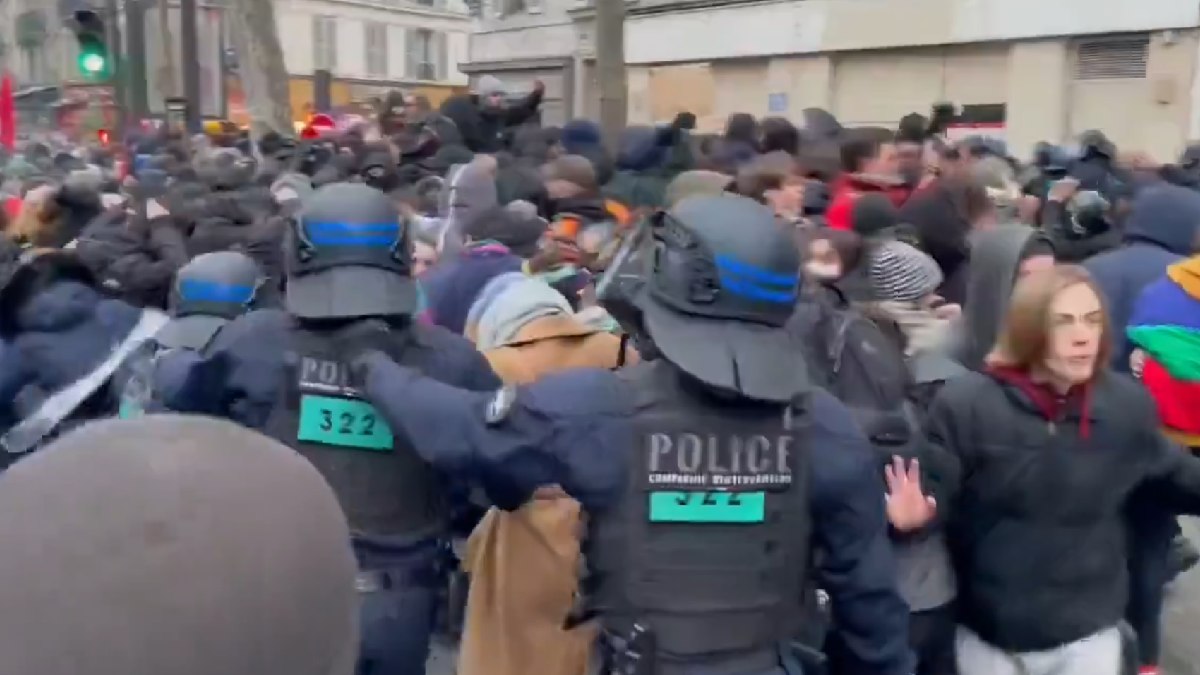
French Interior Minister Laurent Nunez said 83 police officers and gendarmes were injured during Wednesday's unrest. Edouard Geffray, education minister, also said 119 students and school staff had been injured since the demonstrations began. The protests affected 356 high schools across the country, according to the Interior Ministry.
The government has condemned violence against police and other people but says that some of the concerns raised by students about school conditions are legitimate.
Why are French students protesting?
The demonstrations have been conducted by students from French lycées, which offer secondary education to teenagers in the last years before higher education. Students have been blocking school entrances and organising demonstrations over a range of education-related issues.
The problems are overcrowded classrooms, heavy workloads, teacher shortages and poor-quality or deteriorating school infrastructure. Students also have been complaining about uncomfortable classroom temperatures and poor sanitary conditions.
Students in Saint-Denis have described pest infestations and classrooms that can become extremely hot or cold depending on weather conditions, Reuters reported. Students have also expressed frustration over demanding school schedules and what they say is a lack of resources.
The protests began in the Île-de-France region around Paris but have spread to other cities in other parts of the country. Paris, Bordeaux, Lyon and Lille were among the cities with demonstrations and clashes on Wednesday. Police used tear gas in confrontations in Lille, according to reports.
Protests spread to Hundreds of Schools.
The scale of the movement grew significantly during the week. 356 high schools were affected by Wednesday’s actions, authorities said. School blockades, as well as demonstrations outside schools, have taken place in the past week.
The unrest also coincided with broader public-sector protests with the government’s proposed 2027 budget. So students’ concerns about education funding have been linked with broader opposition to planned spending.
On Wednesday, authorities reported 625 detentions. More than 440 people had been arrested the day before, Reuters reported, many of them minors. Nunez said authorities also recorded projectiles and attempted attacks on law enforcement officers with hydrochloric acid.
83 Police And Gendarmes Injured
The escalation has led to injuries among demonstrators and security personnel, he said. Nunez said 83 police officers and gendarmes were wounded on Wednesday alone.
The Interior Minister also condemned what he described as attacks on law enforcement officers for throwing stones, verbal abuse, attempted arson and other acts of violence. During the protests, officials said fires were also started near some schools.
Education Minister Geffray said 119 students and school staff had been injured since the demonstrations started. He called for students to be able to return to classrooms, particularly those whose schools had been affected by blockades.
Macron Condemns Violence
French President Emmanuel Macron has acknowledged that young people’s concerns over education conditions are legitimate but said those concerns cannot justify violence.
Macron said schools should remain open for education and criticised the burning of rubbish bins and protesters blocking school gates. In Madrid, Macron was speaking to reporters as the government grappled with mounting pressure over demonstrations and wider public-sector revolt.
Nunez also accused far-left groups of encouraging violence during some demonstrations. He said authorities had seen people going between schools and allegedly encouraging students to engage in violent acts.
The accusations are part of a wider political dispute over the protests. Members and supporters of the left-wing France Unbowed movement have supported students’ demands, while government officials have denounced the rhetoric of the party and its leader Jean-Luc Melenchon.
Government Under pressure over education.
The student protests come at a sensitive time for the French government, with the 2027 budget due to be presented and broader public-sector dissatisfaction already visible.
Students say their concerns are in terms of everyday conditions in schools and not of national political problems. They are seeking more teachers, better-maintained facilities and classroom conditions.
At the same time, the government has sought to differentiate between legitimate grievances and acts of violence. Concerns about schools should be addressed but attacks, arson and disruption cannot be accepted, officials have said.
Unrest Continues Across France
Protesters are now out of Paris and the demonstrations are widespread across France. The number of detentions and injuries has also pushed the government to get schools back in line, but not at the expense of the concerns of students.
With hundreds of schools affected and more demonstrations possible, authorities are likely to be focused on security around school premises. Education-related grievances need to be addressed, the government has also said.
For now, the situation remains tense and students are still calling for changes in school conditions and officials are saying that protests must remain peaceful. The 625 detentions and injuries to dozens of police and gendarmes show that the demonstrations have spiraled from school blockades to broader clashes and public-order incidents.