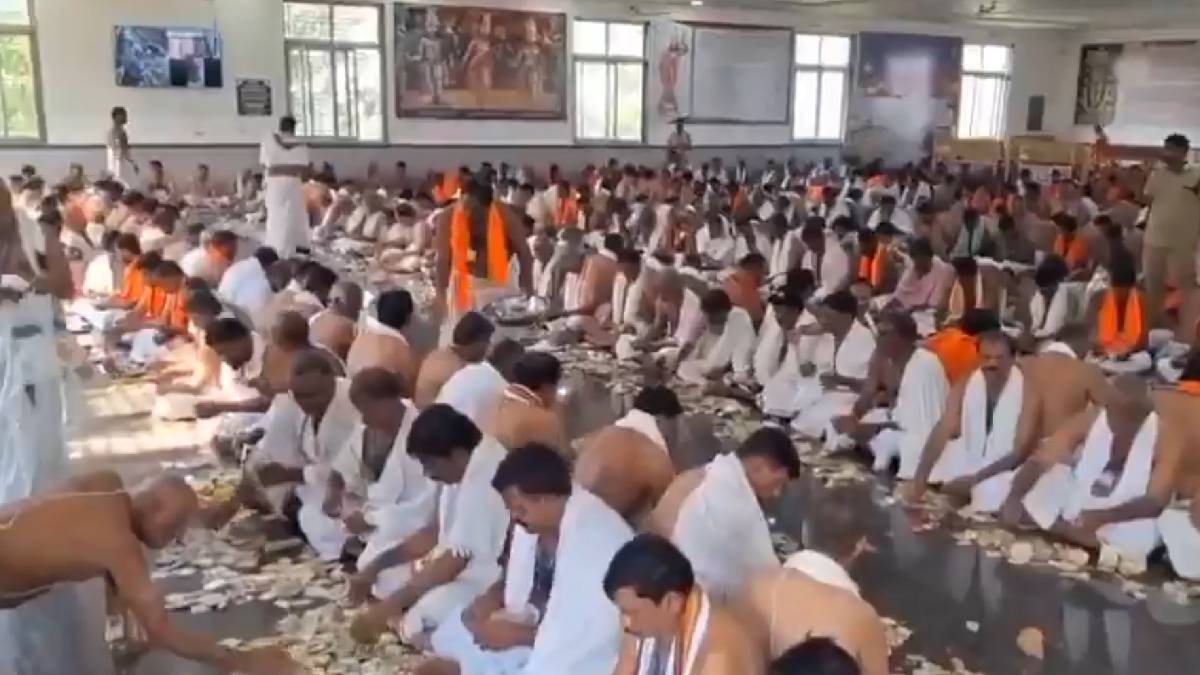
Gandhi Jayanti 2026 will be celebrated on October 2 to commemorate Mahatma Gandhi’s birth anniversary. One of Gandhi’s most popular symbols is khadi, the hand-spun and handwoven fabric that was associated with India’s freedom movement, village industries and the concept of self-reliance.
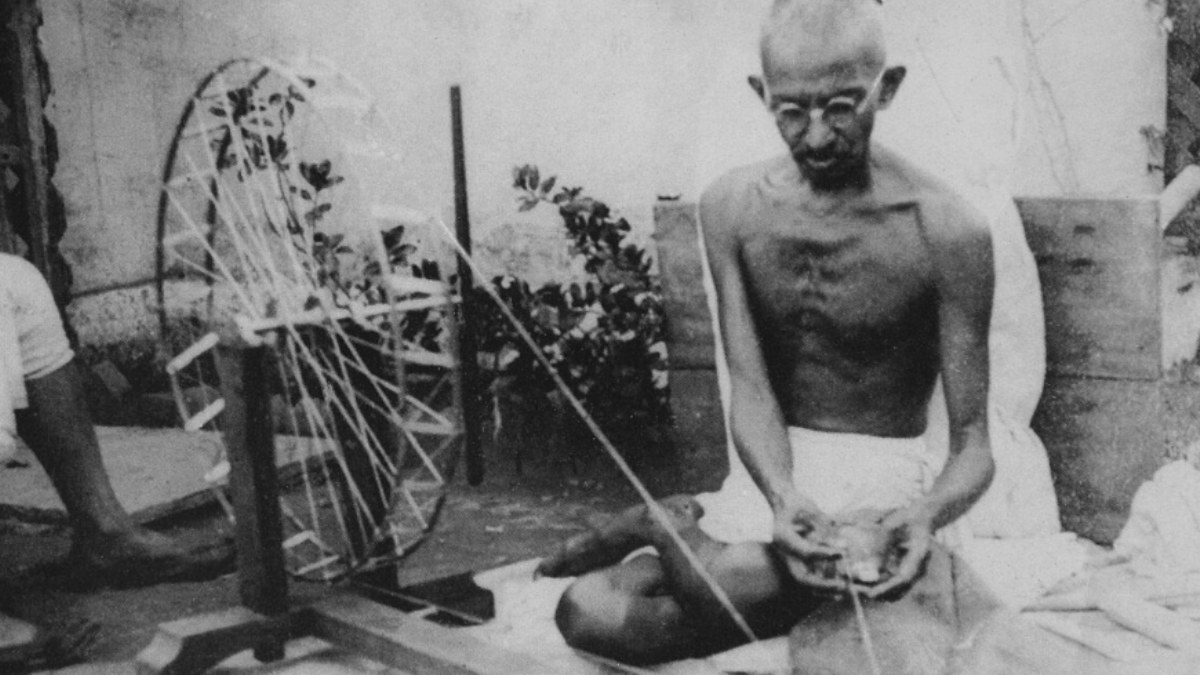
For Gandhi, khadi was not just a piece of cloth. Spinning and wearing it became a part of a much larger programme that invited Indians to support local production and develop economic independence.
Gandhi and the Idea of Khadi
Gandhi promoted hand-spinning and khadi as part of his constructive programme. The charkha, or spinning wheel, became a powerful symbol of this effort.
The emphasis was on encouraging people to participate directly in productive work rather than depending heavily on imported goods. Khadi therefore became associated with the wider Swadeshi idea of using and supporting goods produced in India.
Government cultural material of Gandhi’s constructive programme speaks of the importance he placed on khadi, spinning the charkha and village reconstruction in preparing people for self-reliance.
Khadi and the Freedom Movement
Khadi became a very political and social symbol during the freedom struggle. Gandhi encouraged Indians to stop reliance on foreign cloth and to adopt indigenous ones.
The spinning wheel also provided ordinary people a way to participate in the national movement. Khadi could be spun, woven and worn by people from different social and economic backgrounds, making it more than a political slogan.
The fabric gradually became associated with simplicity, dignity and participation in India’s struggle for independence.
Why Khadi was made a symbol of self-reliance?
Gandhi’s promotion of khadi was closely associated with his vision of economically strong villages. Productive village activities could create livelihoods and make communities more self-sufficient.
The Gandhi Smriti and Darshan Samiti has continued to connect charkha spinning and khadi to the preservation and promotion of Gandhi’s ideas. Its activities have included spinning programmes, khadi sales and programs on skills and livelihood opportunities.
Khadi and Indian Identity
Khadi had become intimately associated with India's national movement in the years to come. The plain fabric represented a conscious move towards indigenous production and away from dependence on imported textiles.
The charkha and khadi also helped communicate Gandhi’s emphasis on simplicity, labour and dignity of work. Their importance went beyond clothing and became part of the visual language of India’s freedom struggle.
Gandhi Jayanti 2026: Remembering the Message
Khadi still is an important part of the modern history of India as we celebrate Gandhi Jayanti on October 2. Its story connects clothing with economic participation, village livelihoods and the freedom movement.
Remembering khadi also gives us an insight into how Gandhi used everyday activities like spinning and wearing handwoven cloth to communicate larger ideas about self-reliance and Indian society.