They are also one of the world’s most technology-driven wars by nature with UGV or ground robots and, with UGVs, one of the most important weapons in combat today.
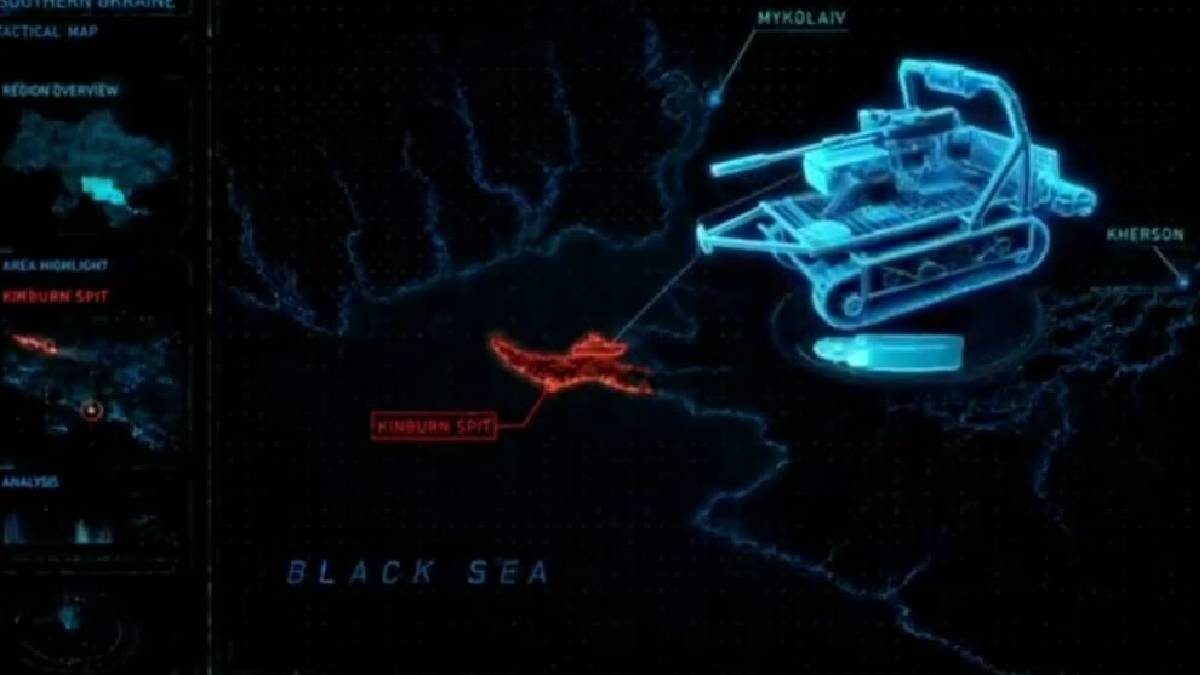
With Ukraine and Russia now operating with modern warfare in reality, these robotic systems are changing how military missions are carried out and will help minimize the dangers for soldiers.
Drones initially dominated the fight by providing aerial surveillance and precision strikes. But ground robots are also on the ground. They are capable of operating remotely or semi-autonomously and can carry ammunition, evacuate wounded soldiers, clear mines, survey and even bring heavy weapons into combat zones.
Ukraine has been aggressively deploying domestic robotic platforms to combat Russian forces. Many of these robots are small, mobile and able to navigate difficult terrain trenches, forests and rubble-filled urban areas. Armed with the ability to operate in dangerous environments, military personnel are free from direct contact with enemy fire.
Logistics is one of the biggest advantages of ground robots. In areas where soldiers have an overwhelming supply of ammunition, food, water and medical supplies for the frontline troops, it has grown increasingly difficult to supply them with these resources in areas under constant drone surveillance and artillery attacks.
Robotic supply vehicles can take long missions to the front lines with the right materials to them in areas of war.
Ground robots are also very useful in casualty evacuation. But when medics can’t reach injured soldiers in time, remotely operated vehicles can get wounded soldiers to safer locations. This has greatly improved survival in high-risk combat areas.
Mine clearance is another area where robotic technology has become indispensable. Ukraine is one of the world’s most heavily mined countries because of the long-standing war. Ground robots with sensors, cameras and specialised mine clearing equipment can locate and remove explosives and make roads and fields safe for both military and civilian operations.
A new era of warfare is here.
— Andrii Pastushenko (@AndriiPast) July 13, 2026
Ukrainian forces have carried out what is believed to be the world’s first combat mission where an unmanned surface platform delivered a ground robot to an occupied shoreline for a real combat operation.
Machines take the highest risks. Soldiers… pic.twitter.com/rHqkWzCXrp
Some of the advanced robotic platforms now have machine guns, grenade launchers or anti-tank weapons. Armed robots are trained in secure positions to provide fire support and low risk to troops. Although human commanders will still make most important decisions in combat, robotic weapons are starting to come in with automation as part of military strategy.
The widespread use of ground robots is also indicative of a shift in military innovation. Ukrainian engineers, defence startups and technology firms have quickly developed cheap robotic systems to be implemented in huge numbers. This flexible approach allows the military to quickly replace damaged equipment and continuously improve designs based on battlefield experience.
Ground robots, despite their effectiveness, have their own challenges. Electronic warfare can interfere with communication signals, rough terrain can damage mobility and battery life is an issue during long distance missions. Technological upgrades are thus crucial for maintaining effectiveness.
As warfare continues to mature, Ukraine’s experience shows that ground robots are no longer experimental tools but frontline assets.
The military operations are being transformed by logistics, reconnaissance, casualty evacuation, mine clearing and combat support. The lessons learned from Ukraine will be relevant to defense strategies worldwide, marking the beginning of a new era where humans and intelligent machines work together on the battlefield.