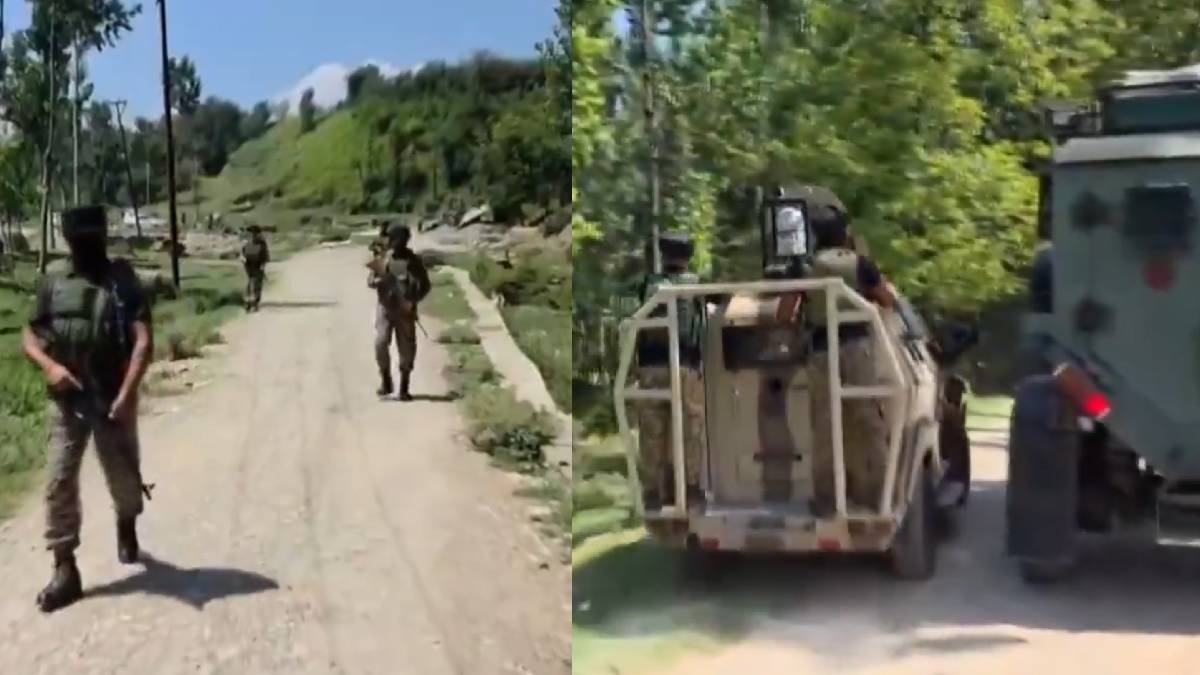
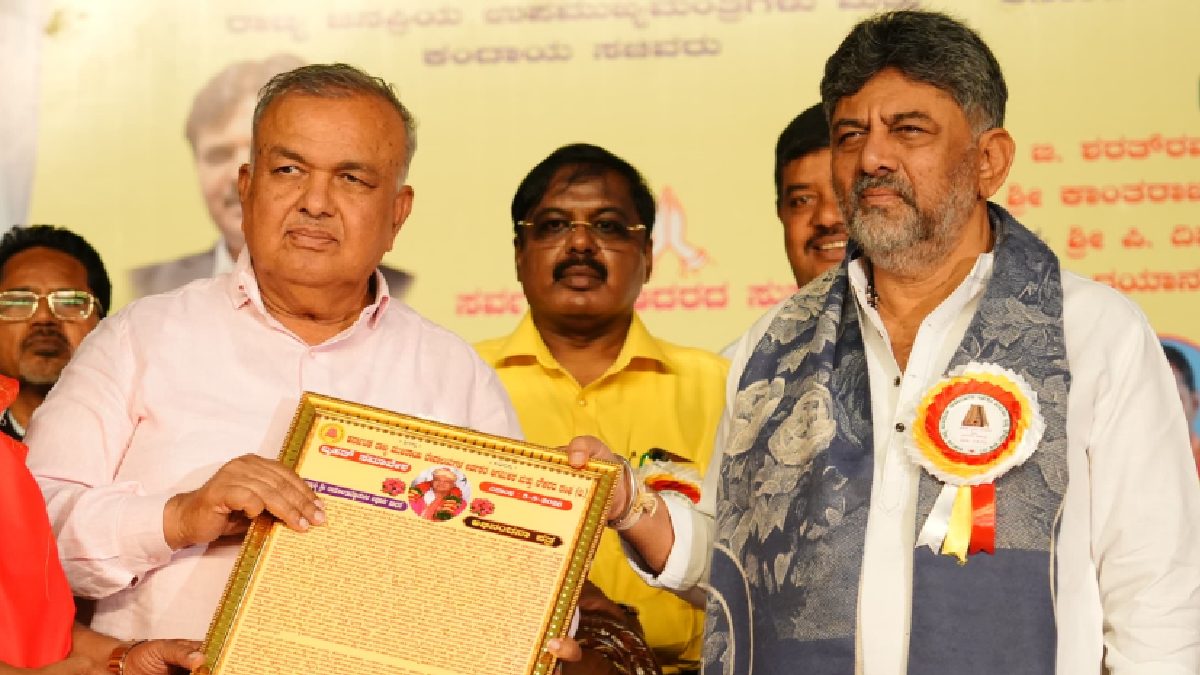
In a shocking revelation that challenges Pakistan’s claims of a crackdown on terror, new images have surfaced showing the mastermind of the 26/11 Mumbai attacks, Hafiz Saeed, participating in a religious ceremony at a construction site in Multan. The site is reportedly being developed as a new operational base for the proscribed terrorist outfit, Lashkar-e-Taiba (LeT).
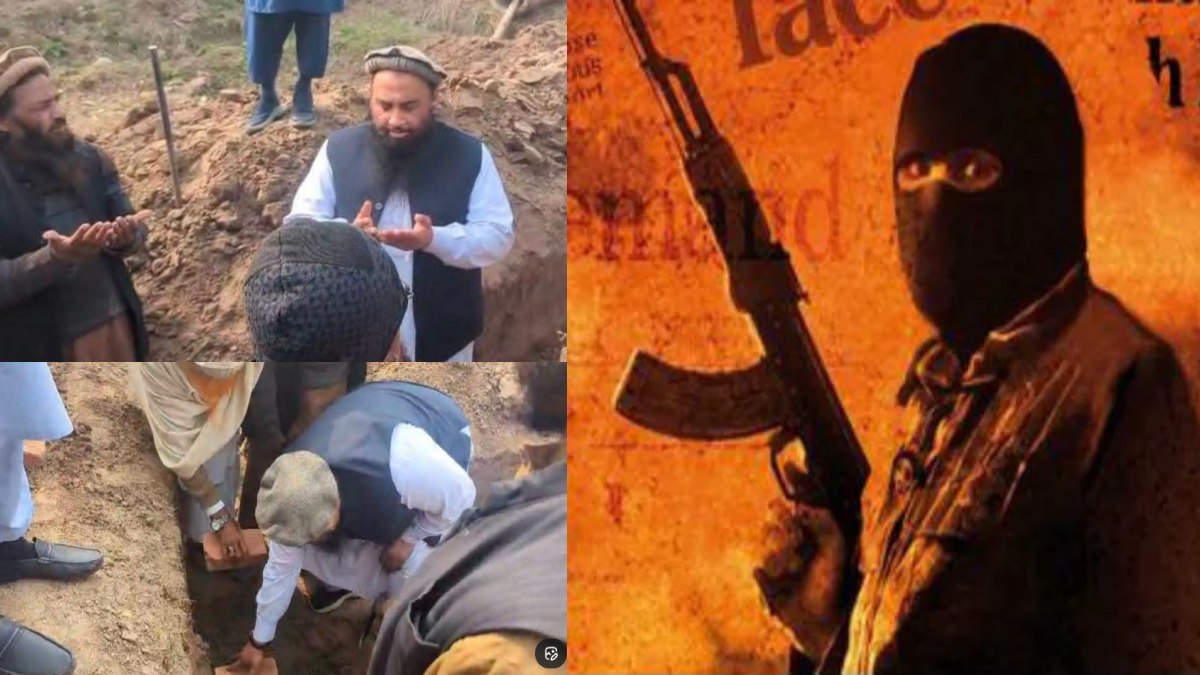
The photographs, which emerged on January 21, 2026, show Saeed offering prayers (Dua) alongside several followers as foundation work commenced. The sighting raises serious questions about the "incarceration" of a man who is officially serving a 78-year sentence for terror financing.
The "Professor" of Terror Back in Action?
Hafiz Saeed, often referred to as "the Professor" by his cadres, is not just a preacher but the architect of some of the most devastating attacks on Indian soil, including the 2008 Mumbai massacre and the 2019 Pulwama bombing. Despite being on India's 'Most Wanted' list and having a $10 million U.S. bounty on his head, Saeed appears to be operating with significant freedom.
The ceremony in Multan suggests a strategic shift for the LeT. Following the destruction of its Muridke headquarters during India's Operation Sindoor in May 2025, the group appears to be rebuilding its infrastructure in southern Punjab, often referred to as the "Saraiki belt," which has historically served as a fertile ground for radical recruitment.
A Pattern of "Selective" Custody
For years, the international community, led by the Financial Action Task Force (FATF) and the United States, has pressured Pakistan to permanently dismantle terror factories. However, the Multan photos provide visual proof of what Indian intelligence has long maintained:
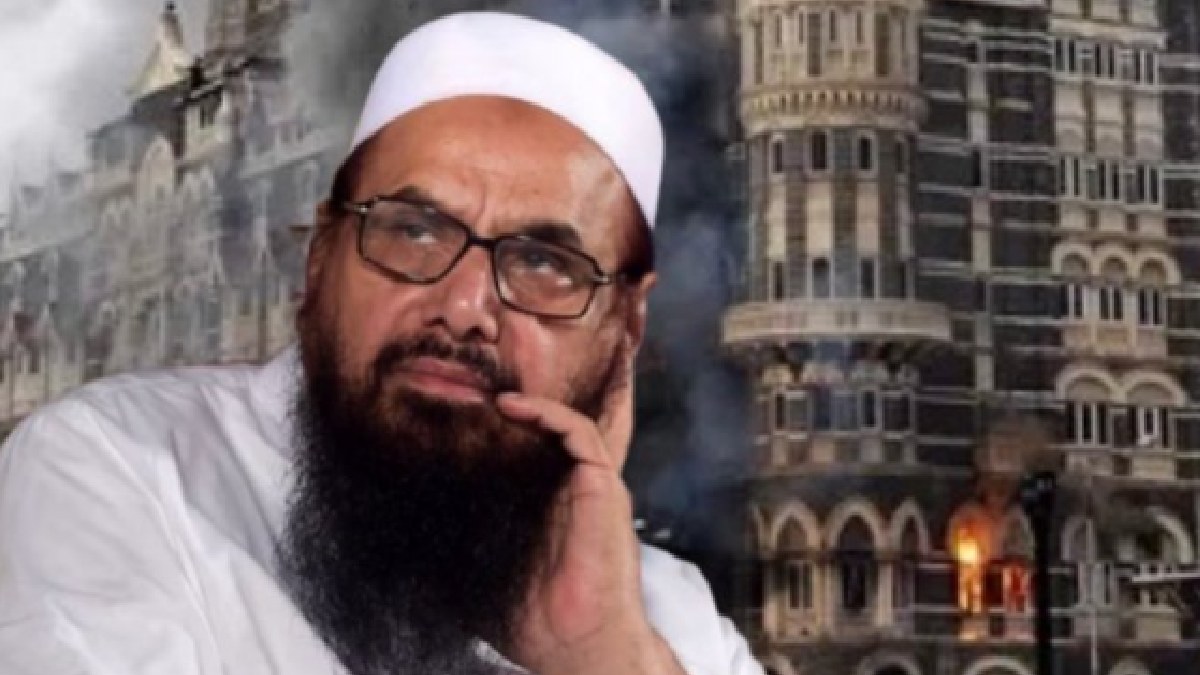
- The "Jail" Myth: While Pakistan claims Saeed is in a high-security prison, he is frequently seen at military-protected residences or leading "charity" events.
- State Support: The construction of a new facility in broad daylight, attended by a high-profile designated terrorist, would be impossible without the tacit approval—or active protection—of local authorities and intelligence agencies.
- Terror Financing: International observers are questioning how a "banned" organization is securing the massive funds required for new construction projects while Pakistan continues to seek multi-billion dollar bailouts from the IMF.
"These images are enough to show the world how Pakistan continues to run terror factories on its soil while pleading for international loans to stay afloat." - Strategic Analyst
The Global Blind Spot
The timing of these photos is particularly sensitive for the United States. While Washington continues to list Saeed as a "Global Terrorist," its reliance on Pakistan for regional stability often leads to what critics call "selective zero tolerance." If the U.S. chooses to ignore the visible resurgence of the LeT leadership, it risks undermining the global fight against extremism.
As the construction in Multan progresses, the message to New Delhi is clear: the threat of the LeT is not a relic of the past, but a growing shadow once again taking root in the heart of Pakistan.