Loyalty is something we almost all know is a professional characteristic. It’s a measure of reliability, commitment, and long-term alignment. Yet, loyalty disconnected from boundaries can quietly undermine mental clarity, productivity, and well-being. People in countless professional or personal settings choose to appear, contribute, and support others—even at the expense of their emotional health. Through it all, the body and mind become imbalanced and lose out on confidence, stress, and productivity. But sustained performance cannot come only from dedication; it requires discernment.
What Is Healthy Loyalty?
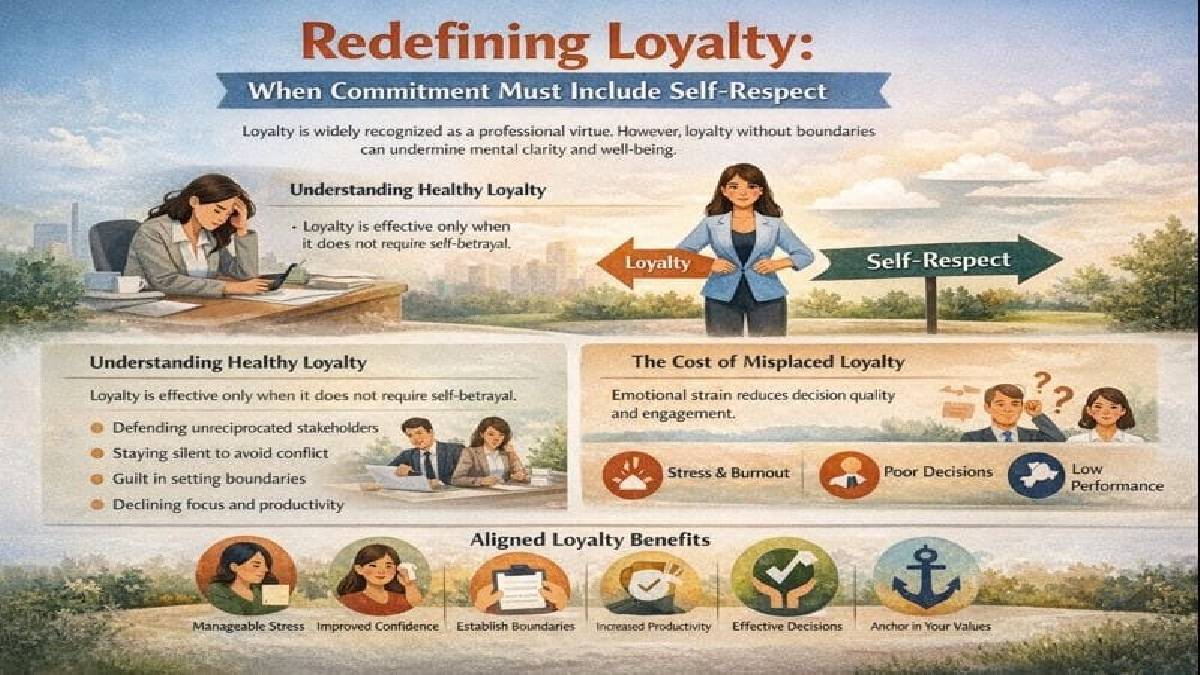
Healthy loyalty succeeds when loyalty need not lead to self-betrayal. When loyalty pulls people away from their values, stamina, and development, it becomes out of kilter with itself. What starts out as commitment may gradually turn into emotional exhaustion, indecision, and inner turmoil.
This pattern is more common than it seems in business contexts:
- Protection or assistance for stakeholders that are unresponsive.
- Being silent in order to avoid fighting, and consequently burnt out.
- Guilt when setting professional boundaries.
- Putting loyalty over transparency.
- Poor concentration and productivity as a result of unresolved emotional stress.
Such things are easy to normalize, but they have long-term consequences.
The Organizational Impact of Misplaced Loyalty
Wrong allegiance doesn’t only hurt the hearts of individuals—it also hurts results. There’s a larger cognitive load when professionals are placed under chronic emotional pressure.
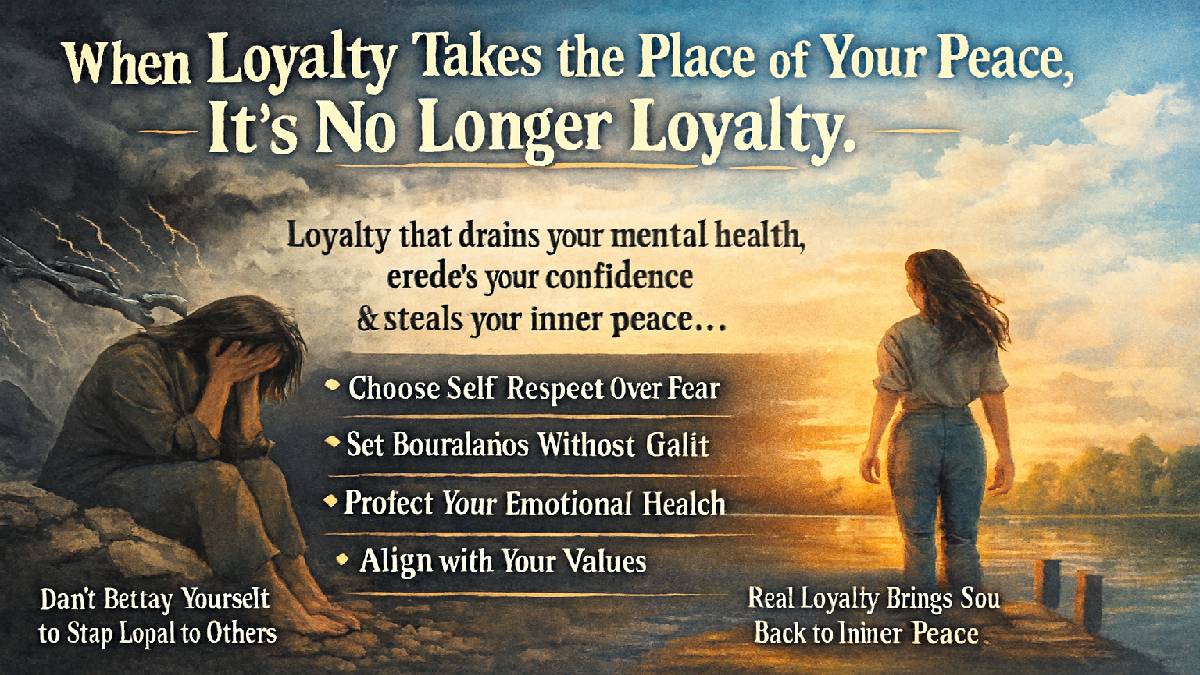
- Decision quality declines.
- Engagement weakens.
- Stress becomes chronic instead of situational.
No time management, no amount of optimizing process, can bridge the gap of continued emotional divergence.
Loyalty Guided by Self-Respect
Effective loyalty is based on self-respect, not on fear of conflict or rejection. None of that destroys teamwork or commitment. Instead, it boosts trust, clarity, and accountability. Those who connect loyalty with self-respect are in a better vantage point to deliver honest communication and to produce in a way that supports life as a whole.
Real-World Actionable Advice on How to Reconnect Loyalty
Rebuilding loyalty does not necessitate disruption. It takes clarity and consistency.
- Focus on mental clarity as a performance commodity.
- Be emotionally safe (emotional well-being is a professional responsibility).
- Create quiet, respectful limits.
- Pick long-term growth over quick approval.
- Base decisions on values instead of external pressure.
These practices foster resilience and maintain contribution.
Measurable Benefits of Aligned Loyalty
When self-respect is balanced with loyalty:
- Stress can be managed, not become a chronic condition.
- Value alignment builds confidence.
- As emotional distraction wanes, productivity rises.
- Performance flourishes.
- Decisions become more objective and efficient.
Loyalty, thus, can be a stabilizing force as well as a silent burden.
Conclusion
Loyalty should strengthen clarity, trust, and resilience—not undermine them. When commitment starts wearing down peace and performance, we need to reevaluate. Sustainable loyalty never calls for people to forsake their integrity, health, or lifelong advancement. Genuine loyalty is what sustains the organization—and it is deeply personal.