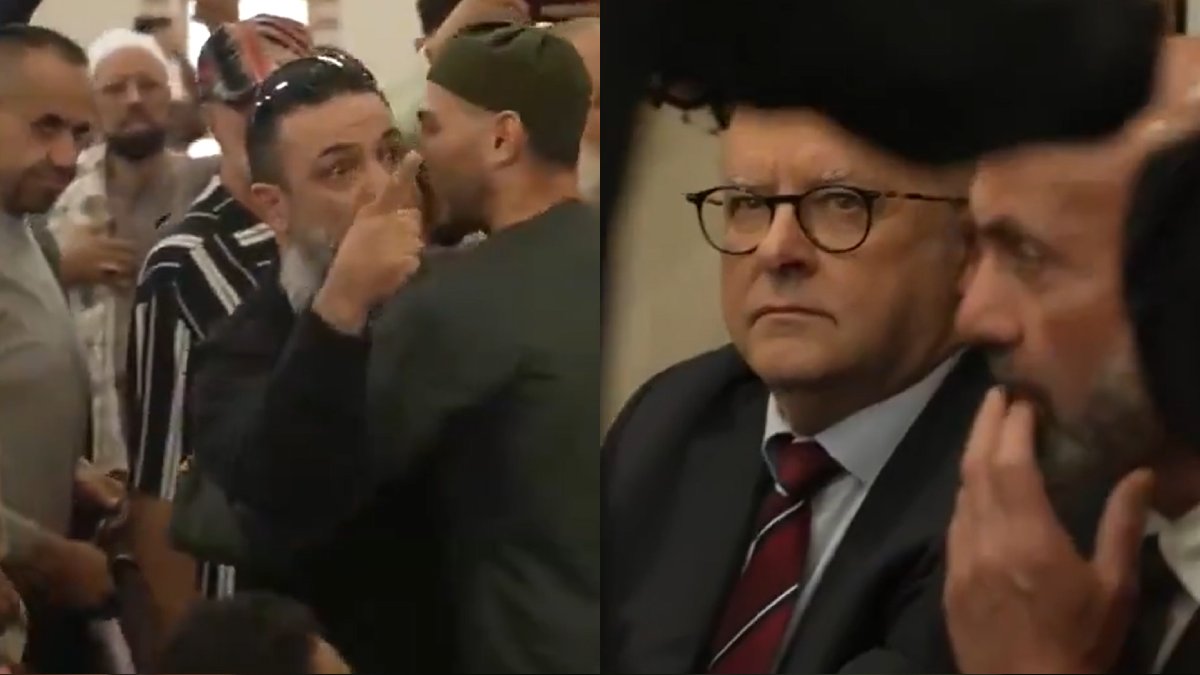
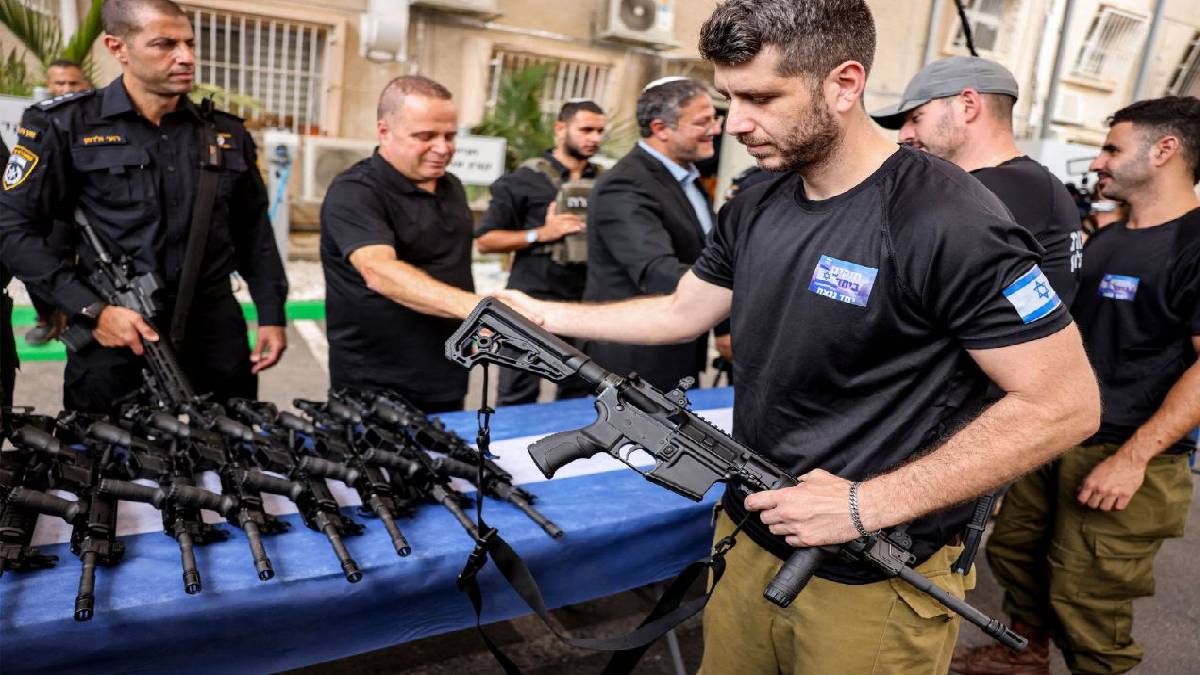
Eid al-Fitr is the joy on a Muslim day where Muslims across the world sing and pray and rejoice and rejoice. But the joy in Jerusalem quickly degenerated into something terrible. Israeli army forces opened fire in Jerusalem on March 20, 2026 on Palestinian people trying to pray when they stood close to Al-Aqsa mosque. At the holy junction most of the worshippers were blocked from entering and had to pray in the streets. A heart wrenching event that left worshippers shaken and underscored the strain in the city.
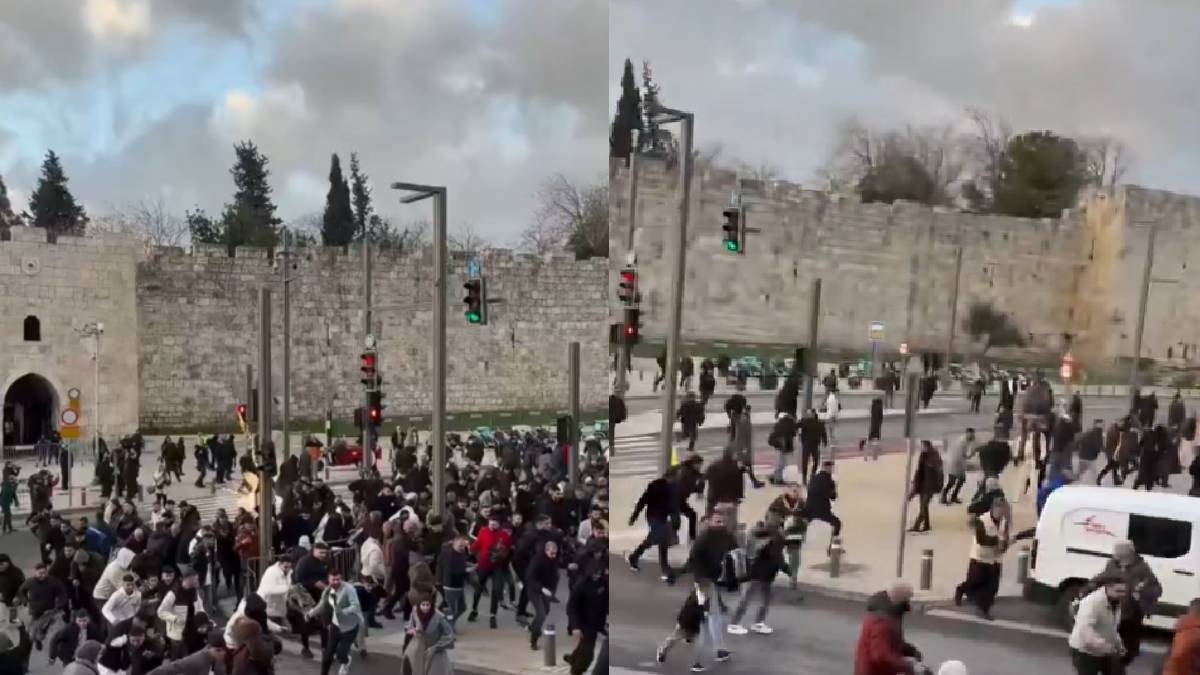
Thousands of Palestinians flocked to Jerusalem to pray at Al-Aqsa Mosque, one of the holiest sites in Islam. But despite being opened and occupied by Israeli guards it didn’t look like many people who walked into a mosque to pray were entering.
Crowds gathered around Bab al-Sahira and Damascus gate with hopes to pray outside. We could hear in footage the Israeli forces fired tear gas canisters into the crowd; they were taking batons to keep people back. Most worshipers' families and children were coughing and panting for an inhalation.
But even by then so many Palestinians held hands through the chaos as they kept up their prayers in the streets and demonstrated determination and resilience to mark Eid even under pressure.
The mosque closure was one of several restrictions over weeks that were coming down for the al-Aqsa mosque. Israeli authorities stressed that there remained security threats, but Palestinians saw it as an invasion of their religious freedom.
Tear gas application on Eid was a source of anger and frustration. Eid in Palestine is a time of unity and peace; when they were denied access to their sacred mosque it felt like a deep injustice for the Palestinian people. It illustrated the bigger conflict in Gaza, as well as tense relations between Israel and Palestine.
News of the tear gas attack spread worldwide on the Internet and social media. Videos showed worshippers praying in the streets and the scent of gas filling the air.
Human rights organizations denounced the measures, which they said were too heavy and harmful to civilians. And Palestinian leaders said it was an affront to religious freedom. Israeli officials justified it, maintaining the order.
The difference in opinions has set off an anti-peace debate on this global day for peace and celebration with people around the world questioning whether actions like this would be permitted in our world which is one which should be peaceful and hopeful.
Jerusalem's Eid al-Fitr celebrations had deeper reasons rather than just a fight to control things. There was also faith in Jerusalem but also in freedom of life and dignity. Palestinian worshipers stuck their noses inside and they were strong despite the tear gas (which is still in play). In the larger, though, it showed that international battles can overshadow sacred traditions of people that can leave communities bitter. For Eid and a day of joy was the Palestinian experience with finding peace and justice.