
The fragile ceasefire that has been in place in Yemen since 2022 is facing its biggest challenge in years after Iran-backed Houthi rebels launched missiles and drones at Saudi Arabia in retaliation for an attack at Sanaa International Airport.
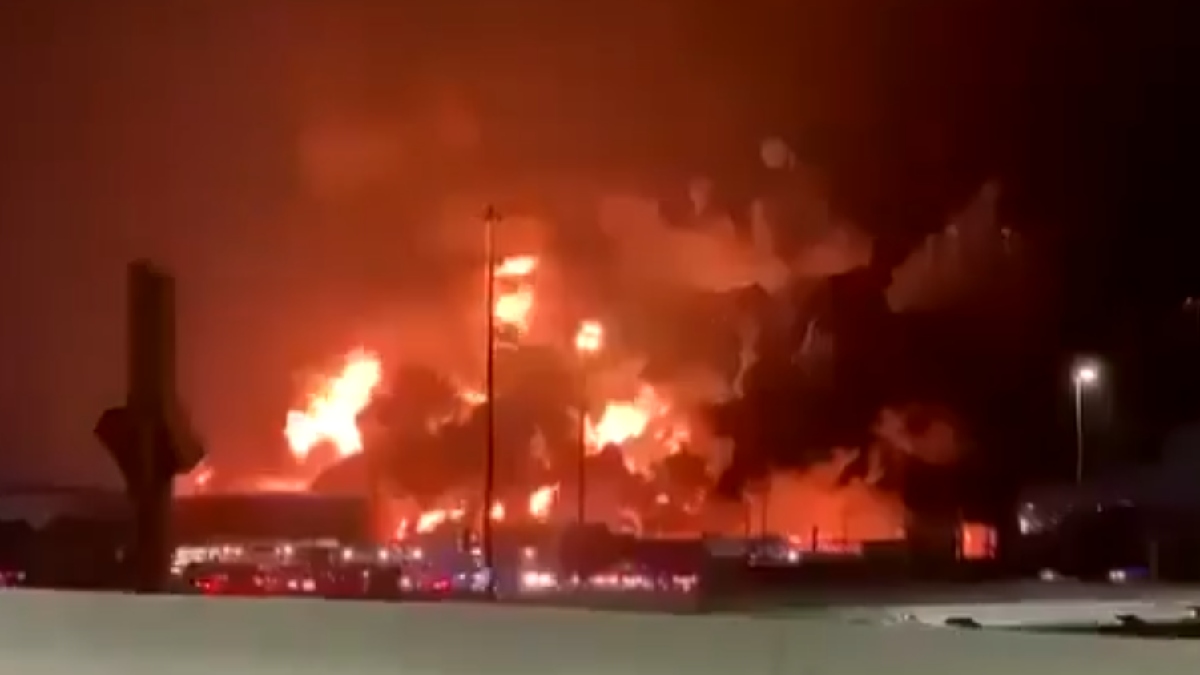
The latest escalation represents the Houthis’ most serious clash in decades with Saudi Arabia and raises fears that the longstanding conflict will ultimately spiral into a wider regional war again, particularly at a time when tensions between Iran and the United States are alive and well in the Gulf.
Houthis Target Saudi Airport
Houthi military spokesperson Yahya Saree announced last week that the group had launched a military operation targeting Abha International Airport in southwestern Saudi Arabia.
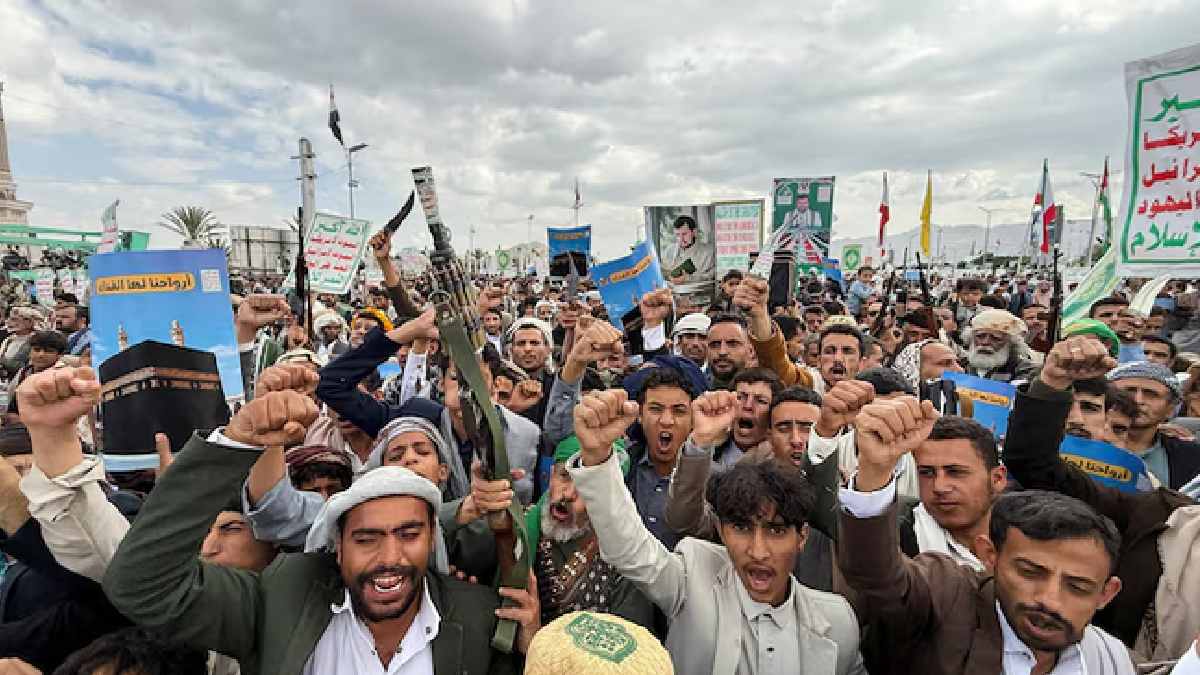
According to Saree, the attack involved multiple ballistic missiles and unmanned aerial vehicles (UAVs) and was carried out in response to the Houthis’ “criminal Saudi aggression” against Sanaa International Airport.
"To respond to this criminal Saudi aggression, the Yemeni Armed Forces carried out a military operation targeting Abha International Airport," Saree said in a televised statement.
The Houthis also warned that Saudi Arabia effectively ended the de-escalation period that has existed between the two sides for the last several years and pledged that the airport strike would not go “unanswered or unpunished.”
Saudi Air Defences Respond
Saudi Arabia claimed that its air defence systems intercepted the incoming missiles successfully.
The coalition’s spokesman Turki al-Maliki said Saudi air defense forces “dealt with” the Houthi projectiles but it hasn’t provided any details about damage or casualties.
The attack comes only hours after explosions were reported at Sanaa International Airport, under Houthi control.
Why was Sanaa Airport targeted?
The internationally recognised Yemeni government, backed by Saudi Arabia, claimed responsibility for the strike on Sanaa airport.
Government officials said the aim was to prevent an Iranian aircraft from landing in Yemen.
And as Yemeni authorities told us, Houthi representatives returning from Tehran after attending the funeral of Iran's late Supreme Leader Ali Khamenei had refused to fly on Yemenia Airlines and instead traveled on an Iranian aircraft.
Officials said they’d have to stop the Iranian plane from landing to stop flights that would be prohibited from entering Houthi-controlled territory so as to enforce existing restrictions.
For years, aircraft entering Yemeni airspace have required prior approval from the Saudi-led coalition, which controls airspace access on behalf of Yemen’s internationally recognised government.
Iran Condemns the Strike
Iran strongly condemned the attack on Sanaa airport.
The Iranian Foreign Ministry also said the strike was a “clear violation of international law” and criticized Saudi Arabia’s role in its operation.
The incident complicates an already tense regional environment with Tehran and Washington in increasing military confrontations that have increasingly affected commercial shipping and security in the Gulf region.
Truce Under Pressure
Though the UN-brokered ceasefire formally expired in 2022, both sides have largely avoided large-scale military operations for more than two years.
Some security experts say the latest exchange could end that period of relative calm by the end of this period of relative peace.
Mohammed al-Basha, the founder of the U.S.-based Basha Report risk advisory, warned that continued retaliation could effectively collapse the current ceasefire framework.
"If this cycle of action and retaliation continues, it could effectively mark the collapse of the April 2022 ceasefire framework and signal a return to a much more intense phase of the conflict," he said.
But Yemen’s Presidential Leadership Council Chairman Rashad al-Alimi tried to ease the tension by saying that he had instructed military authorities not to escalate the conflict.
Concerns Over Regional Stability
Houthis also warn commercial airlines not to fly in Saudi airspace until the flight restrictions to Sanaa are lifted, raising new concerns across the region for aviation security.
Earlier this month, the group accused Saudi Arabia of targeting an Iranian aircraft that had arrived in Sanaa and left with a Houthi delegation.
The rebels had already threatened to attack Saudi airports and strategic infrastructure if similar incidents occurred again.
Humanitarian Concerns Continue
More than that, the renewed tensions have affected humanitarian operations.
Yemen’s internationally recognized government has accused the Houthis of preventing an aircraft operated by the International Committee of the Red Cross (ICRC) from leaving Sanaa Airport and temporarily detaining its pilot and co-pilot.
The ICRC later confirmed that all of its personnel and flight crew were safe.
People in Houthi-controlled areas were worried that fresh fighting would reverse years of relatively calm.
However, residents fear that a conflict would fuel Yemen’s growing humanitarian crisis in a way that has killed hundreds of thousands of people and displaced millions since the civil war began in 2014.
A Conflict at a Crossroads
The Houthis still control Yemen’s capital, Sanaa, and much of the country’s north; the internationally recognised government governs large parts of southern Yemen under the influence of Saudi Arabia and its allies.
The missile exchanges between the two nations also reveal how quickly the fragile balance in place over the past two years could unravel.
And while regional tensions are already boiling up as Iran, the U.S. and Gulf nations fight with each other over the Yemen conflict, diplomats are increasingly under pressure to prevent the Yemen conflict from rising to a new dangerous phase that could bring about regional security problems and global energy concerns.






Comments