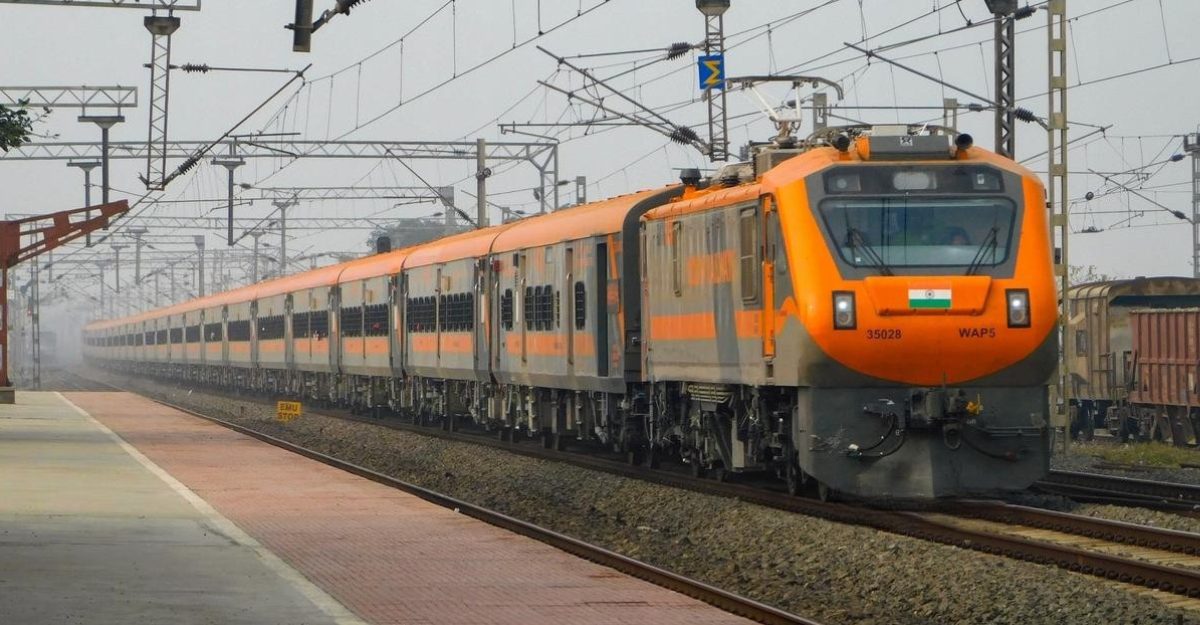
The Indian cooking gas supply chain is undergoing its biggest change in years
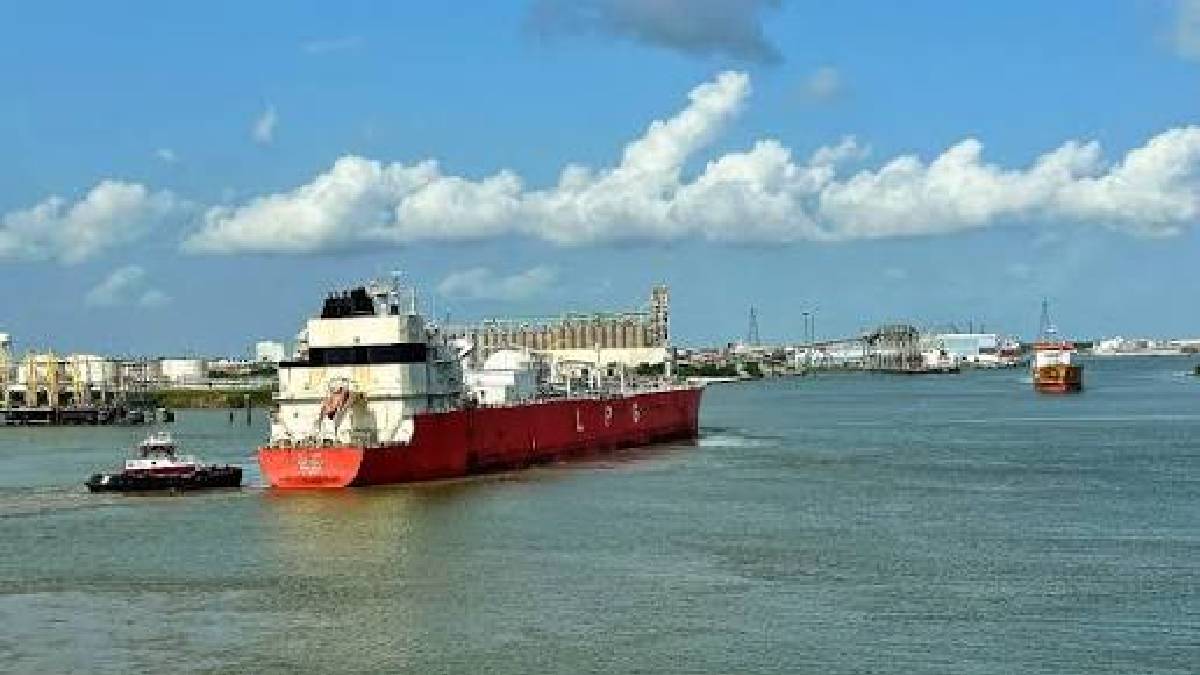
The country is now to buy massive volumes of liquefied petroleum gas (LPG) from American producers as part of a policy to reduce its dependence on Gulf nations.
That realignment dates back to earlier in the year, when West Asia was at war and shipping through the Strait of Hormuz was disrupted.
Indian state refiners signed a multi-year contract with US suppliers for more than 2.2 million tonnes of LPG annually from 2026 to 2027 to deepen energy cooperation with Washington and break down the Gulf’s traditional grip on the market.
And recent trade data shows how fast this rebalancing has happened. The US has now overtaken established Gulf exporters as India’s single largest LPG supplier.
To put the magnitude of change in perspective
Before the regional flare-up, nearly nine-tenths of India’s LPG shipments went through the Hormuz chokepoint and this makes India extremely exposed to any one failure in the present situation.
That vulnerability took shape at the beginning of the conflict and forced its planners to look abroad. And so American shipments have grown from a small percentage of India’s import mix to a third of total within a few months, Crisil’s analysis shows.
And the search for alternatives hasn’t stopped at the US border either. New Delhi has been getting supplies from Oman, Argentina, Nigeria, Algeria and Egypt and Iran has finally entered India’s list of suppliers in secret so far and has accounted for a big share of recent monthly imports.
All of this is not cheap
Ships carrying LPG from American Gulf Coast terminals take more than a month to reach India as opposed to less than a week for Gulf-based shipments, a backlog that adds to freight costs, creates longer shipping times and pushes buyers to hold on to bigger stocks of safety.
State fuel retailers are paying the price for it too, losing over Rs 22,000 crore in three months as world prices have gotten higher and domestic cylinder rates have been little changed.
But most analysts don’t believe this is a passing phase. In fact, once Gulf shipping returns to normal, Indian buyers will continue to hold onto their American supply contracts and see them more as a hedge than a temporary fix and will supplement with opportunistic purchases from around the world.
But few think the Gulf will disappear entirely, and the volumes India needs simply can’t be duplicated from any other source, so diversification is not about replacing an existing partner but spreading the risk. If anything, the episode may put India in a better negotiating position than ever.
Having shown it can pivot suppliers under pressure, the country is now in a better position to have good terms with both the old and new energy partners, a move that will have a bearing on its import strategy well beyond the current crisis.