India could be inching closer to a larger role in lunar exploration. NASA has invited the Indian Space Research Organisation (ISRO) to participate in its Moon Base programme and that is a big step towards the second step: deeper cooperation between the two countries in lunar science, technology and human spaceflight.
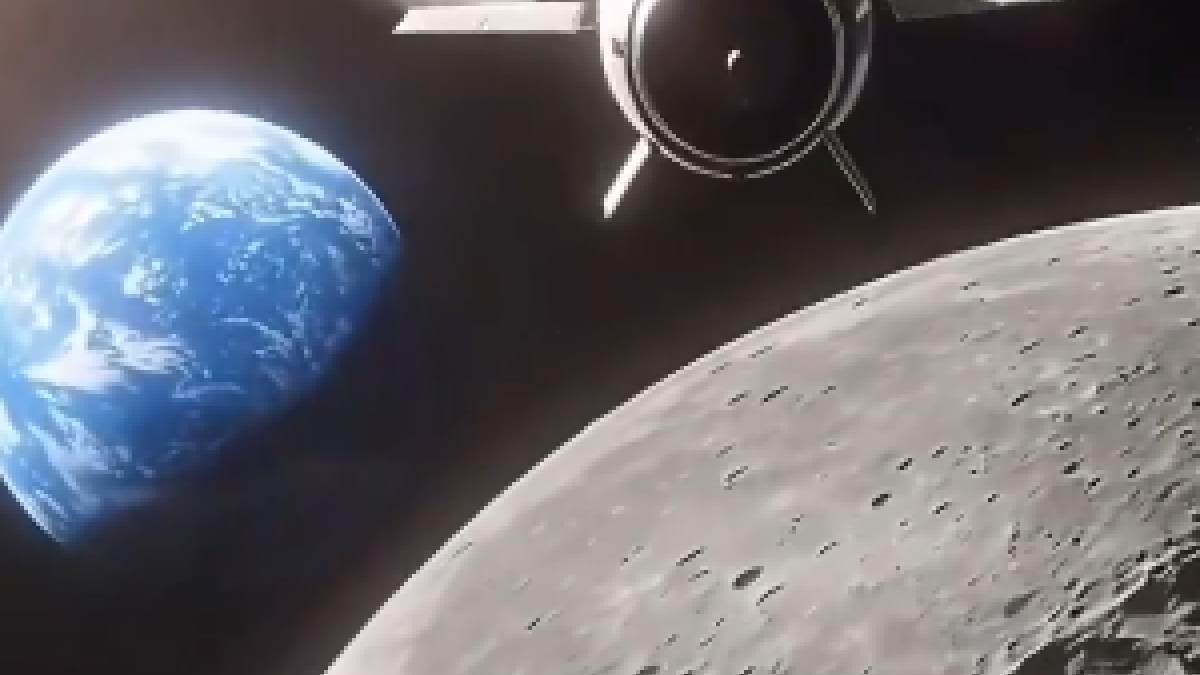
The invitation was discussed at the ninth meeting of the India-US Civil Space Joint Working Group held at ISRO headquarters in Bengaluru on August 5 and 6.
The proposed cooperation builds on the relationship between the two countries under the Artemis Accords, which India joined in 2023.
What NASA Wants From ISRO
NASA’s Moon Base vision is to maintain a human presence at the lunar South Pole. The outpost will be developed gradually in robotic and human missions with technologies for power, transportation, science and other infrastructure.
For ISRO, participation could be an opportunity to contribute scientific knowledge, lunar technology and mission capability. India has shown its growing lunar capabilities with the Chandrayaan programme and its human spaceflight ambitions would make it a key partner to international missions.
The cooperation would also include more scientific data sharing and collaboration on lunar exploration. But the invitation does not mean India has already committed and funded a part of the Moon Base. Specific responsibilities and contributions would have to be negotiated.
Where China Fits In
China is another major player in the emerging lunar race. Beijing is pursuing its International Lunar Research Station plans with international partners and has its own long-term ambitions for lunar exploration.
It also differs from the Cold War space race. Instead of a single competition between two countries, many countries and commercial companies are now competing for a place in the lunar economy and scientific exploration.
NASA's Artemis Accords are principles for peaceful and responsible exploration and use of outer space. As of July 2026, 70 nations had signed the accords, NASA said.
Why the South Pole Matters on the Moon
The lunar South Pole has drawn particular attention because scientists believe that permanently shadowed areas may contain water ice. Such resources could eventually support astronauts and future missions by providing water and possibly ingredients for fuel and life-support systems.
So NASA’s Moon Base programme is not just about planting another flag; it is a step toward ongoing lunar operations and eventually deeper exploration, such as a mission to Mars.
If India is to join this effort it will strengthen its global space diplomacy standing and allow ISRO access to a wider international network of lunar missions.
The emerging picture is clear: the Moon is becoming a major arena for scientific cooperation and technological development and strategic competition.
NASA's invitation brings India closer to that objective, and China’s parallel ambitions ensure that the next chapter of lunar exploration will have global implications.